


Contemporary yet deeply rooted in timeless tradition, Japandi interior design has evolved into one of the most beloved styles across the globe. Blending the minimalism of Japanese aesthetics with the simplicity and functionality of Scandinavian design, Japandi creates spaces that feel intentional, serene, warm, and deeply comforting. 9 Inspired Spaces That Redefine Calm Living Think hygge-inspired coziness, clean silhouettes, earthy palettes, natural textures, and a gentle nod to wabi-sabi—where imperfection becomes a quiet luxury.
Across cities like Singapore, San Francisco, Dublin, and London, designers are embracing Japandi’s soothing philosophy to build homes that feel like sanctuaries. Whether expressed through natural materials, soft color schemes, handcrafted details, or organic light, Japandi interior design brings an effortless calm into modern living.
Below, explore nine beautifully curated Japandi interior design ideas that inspire stillness, authenticity, and mindful living.
A Minimalist Japandi Haven in Singapore
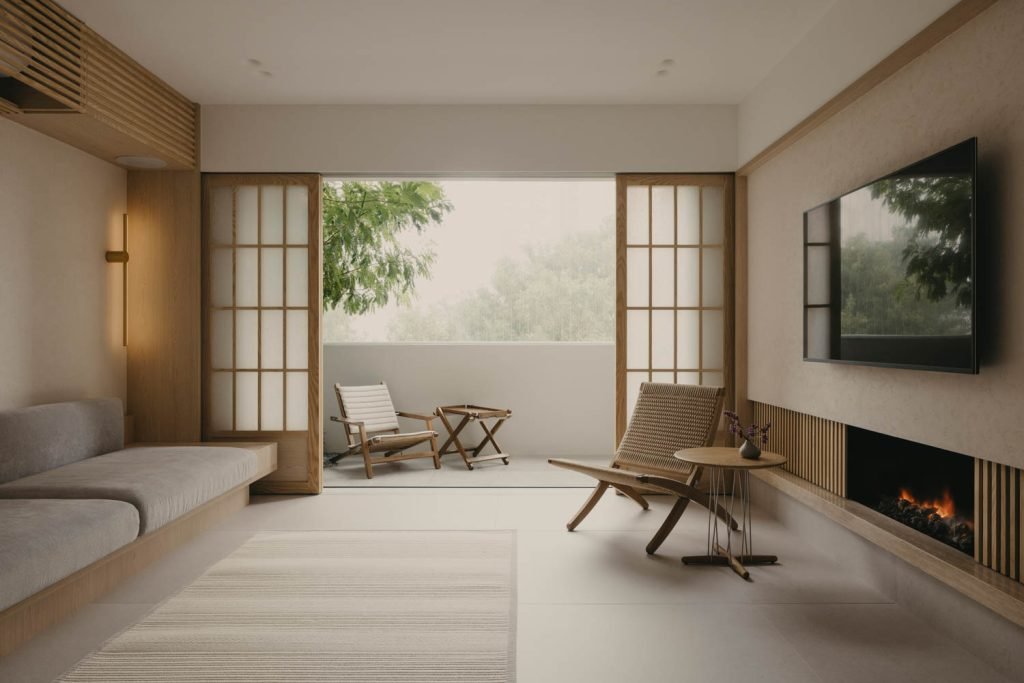
In Singapore, Studio Right Angle transforms a duplex apartment—The Rasidence—into a serene Japandi retreat. Sliding ash-wood screens add flexible divisions without interrupting the home’s flow, while natural oak, warm stone, and neutral tones create a grounding environment. Every texture is carefully considered, embodying the Japandi principle that calm is crafted, not accidental.
A Photographer’s Studio Reborn Into a Japandi Dream Home in San Francisco
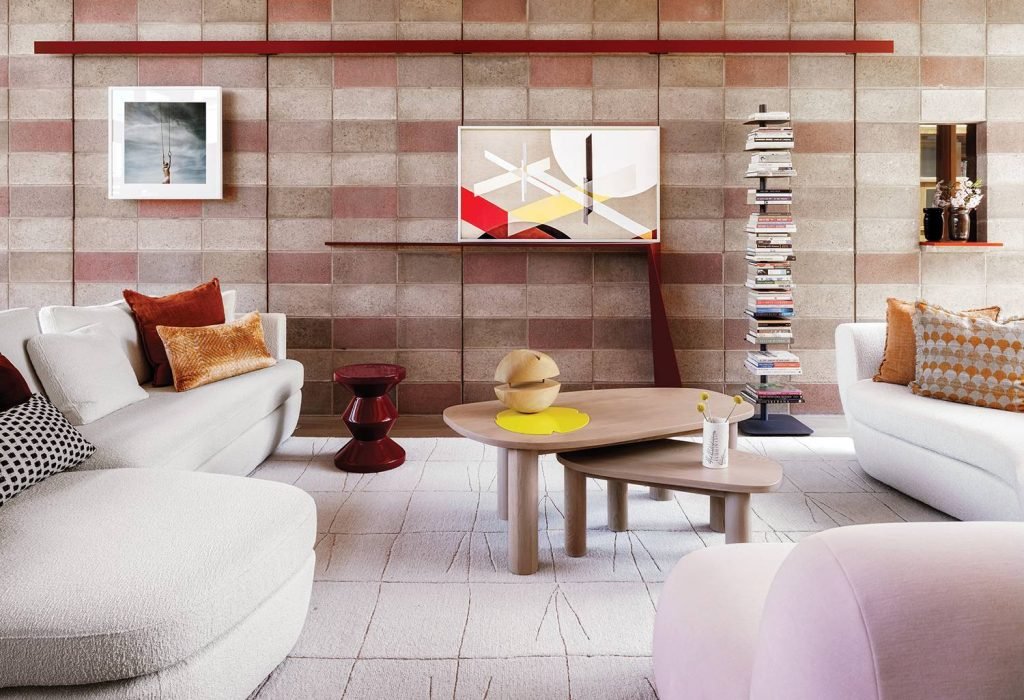
On San Francisco’s Potrero Hill, designer Brooke Aitken reimagines a 1990s photography studio into a modern Japandi residence. Clerestory windows and original cinder-block walls bring character and authenticity, while linen-textured vinyl walls, minimalist lines, and sun-splashed interiors create the perfect balance between Scandinavian coziness and Japanese simplicity.
Subtle pops of red add personality, proving Japandi doesn’t have to feel monotone—it simply has to stay mindful.
A Revitalized I.M. Pei Apartment in Manhattan
Inside Manhattan’s iconic Kips Bay Towers, Uli Wagner Design Lab refreshes an I.M. Pei masterpiece with a soft Japandi sensibility. Fluted ceiling panels in the entry, kitchen, and dining areas introduce warmth and rhythm, while minimalist furnishings and expansive aluminum windows honor the building’s architectural clarity.
Light floods the open plan, creating harmony between old and new an elegant fusion of Japandi principles and mid-century Brutalism.
A Stylish Japandi-Inspired Duplex in Dublin
In Dublin, designers Róisín Lafferty and Ambient Architecture merge two semidetached homes into a single luminous sanctuary. The Japandi approach reveals itself through subdued greens, taupes, and blues, along with glass walls that frame the lush backyard.
The result is a home that breathes open, reflective, and tranquil. Every corner feels intentional and restorative, like a quiet retreat in the heart of the city.
A Peaceful Japandi Sanctuary in the Czech Republic
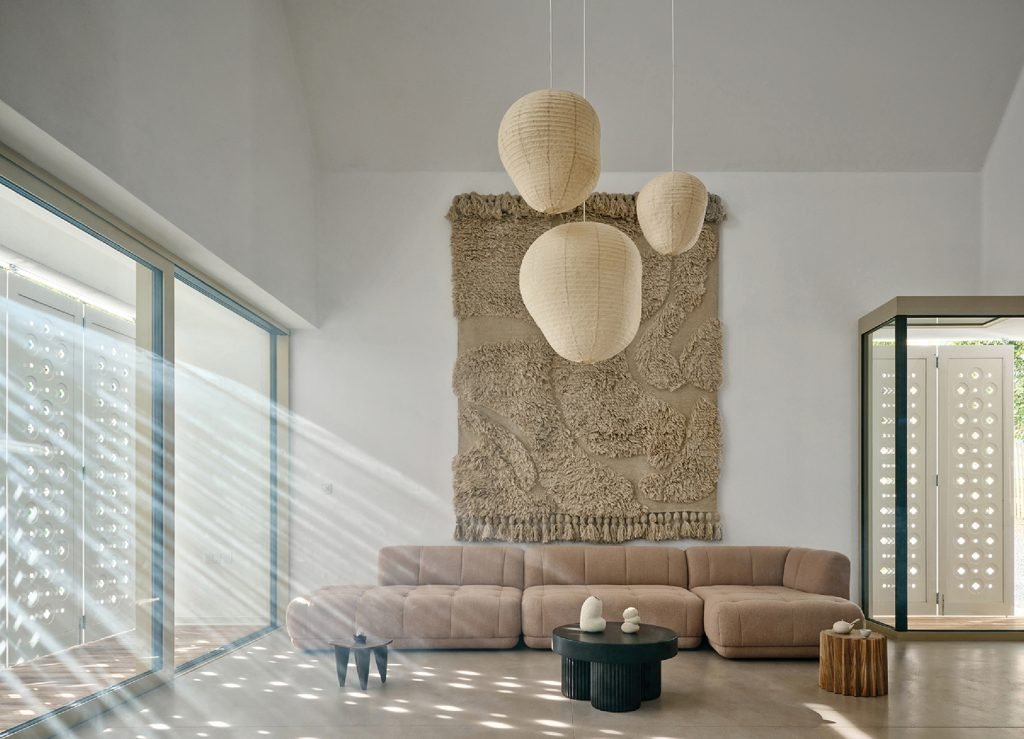
Just outside Prague, architect Jan Žaloudek creates a 1,600-square-foot Japandi oasis that feels almost meditative. Circular cutouts and quatrefoil openings invite fresh air, while shutters cast delicate lace-like shadows across the concrete floors.
The home’s décor—curated art, handcrafted furniture, and soft organic shapes—reflects the couple’s love for fine art and spiritual stillness. This is Japandi at its most raw, honest, and emotionally grounding.
A Modern Japandi Home in Los Angeles
Located between Echo Park and Silver Lake, this 1955 house gets a Japandi makeover by OWIU. Floor-to-ceiling windows highlight a serene garden view, grounding the home in nature. Terra-cotta and warm beige tones reflect the surrounding hillside, while Venetian plaster walls echo organic textures.
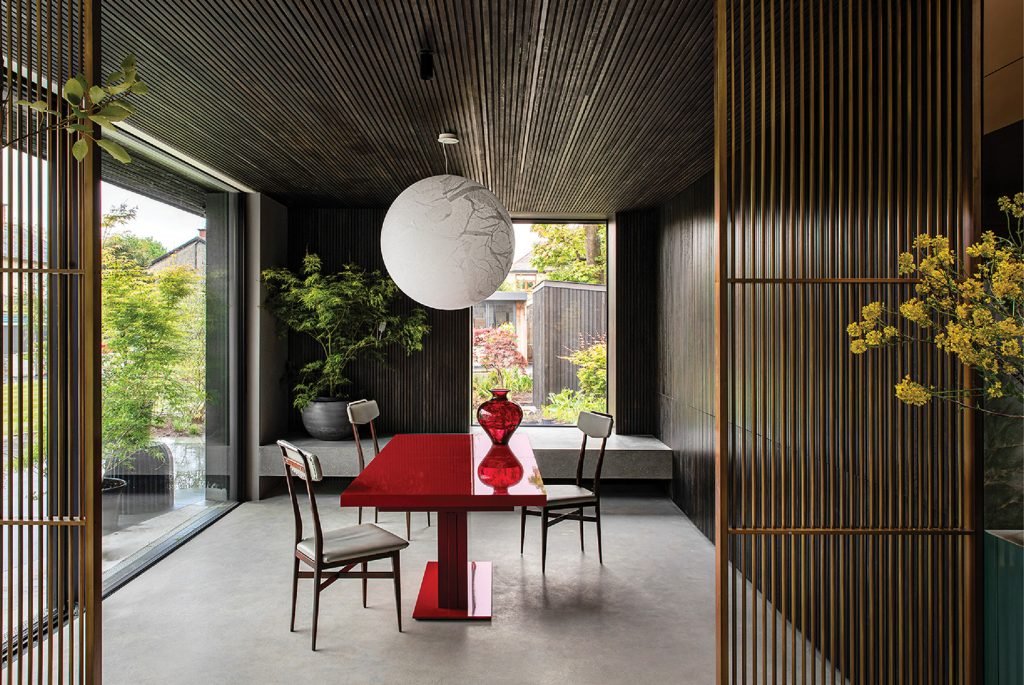
Every detail—from the vintage 1980s modular sofa to the handcrafted coffee table—celebrates the Japandi belief in purposeful living and simple beauty.
A Zen-Inspired Desert Escape in California’s Coachella Valley
In La Quinta, the interior design firm Lucas reinterprets Japanese Zen gardens within a 12,000-square-foot desert home. Deep greens, rich navy blues, warm bronze accents, and natural stones create a luxurious yet understated palette.
The interiors feel grounded, cozy, and sensory, while artisanal details—from wood paneling to sculptural lighting celebrate craftsmanship. This home proves Japandi can be dramatic and elegant without losing its calm core.
An Eco-Friendly Japandi Apartment in London
Designed by Natural Asthetik, this London apartment embodies modern mindful living. Wood, stone, linen, and natural fibers create a soft palette, while gentle curves maintain flow and room-to-room harmony.
Founder Tom Lawrence-Levy calls it “a moment of peace in the middle of the city”—a space where Japandi philosophy shines through every curve, tone, and tactile detail.
Read More: 20 Stunning Retail Store Interior Designs That Inspire
A Coastal Japandi Home on Vancouver Island
Nestled in British Columbia, Andrea Rodman’s 10,000-square-foot home merges Scandinavian simplicity with Japanese calm. White walls, rattan textures, oak tones, and natural stone maintain visual softness throughout, while large windows seamlessly connect the interior with the wild coastal landscape.
Rodman calls it a “unique balance” between the two aesthetics—an airy, contemporary home where nature and design coexist in perfect rhythm.
FAQs
What defines Japandi interior design?
Japandi blends Japanese minimalism with Scandinavian functionality. Its hallmarks include natural materials, soft neutral palettes, clean lines, organic textures, and an emphasis on comfort, simplicity, and balance.
What colors are used in Japandi style?
Earthy tones dominate warm whites, beiges, muted greens, blues, soft browns, taupes, charcoal, and natural wood finishes. The goal is a soothing, harmonious palette.
How do I make my home feel more Japandi?
Incorporate natural materials like oak, rattan, linen, and stone. Choose minimal furnishings, add intentional hygge-inspired textiles, and embrace wabi-sabi principles by appreciating handmade and imperfect pieces.
Is Japandi expensive to achieve?
Not necessarily. The style emphasizes simplicity and fewer—but high-quality—pieces. It prioritizes craftsmanship and longevity over mass-produced décor, so even small changes can make a big impact.
Can Japandi work in small spaces?
Absolutely. Its minimalist approach, light color palettes, and multifunctional furniture are perfect for small apartments, making spaces feel open and uncluttered.
Are plants used in Japandi homes?
Yes. Plants play a key role, especially sculptural greenery like bonsai, olive trees, eucalyptus, or simple leafy plants that add life and softness.
What makes Japandi different from pure minimalism?
Japandi is warmer and more tactile than traditional minimalism. Scandinavian influences bring coziness and comfort, while Japanese design keeps the look clean, refined, and grounded.
Conclusion
Japandi interior design isn’t just a trend it’s a lifestyle philosophy that celebrates harmony, simplicity, and mindful living. As seen in homes from Singapore to San Francisco and London to Vancouver Island, Japandi adapts effortlessly to different cultures, climates, and architectural styles. What remains constant is its core purpose: to create peaceful spaces that nurture well-being and connection.
