


Moringa oleifera, commonly known as the drumstick tree, miracle tree, ben oil tree, or horseradish tree, is a remarkably versatile and fast-growing plant native to the foothills of the Himalayas in northern India and parts of South Asia. It has spread extensively and is now widely cultivated in tropical and subtropical regions throughout Asia, Africa, Latin America, and even parts of the Pacific islands. This drought-resistant tree has earned its “miracle tree” moniker due to its ability to thrive in harsh conditions where other crops fail, providing a reliable source of nutrition in areas prone to food insecurity.
For thousands of years, moringa has been an integral part of traditional healing systems. In Ayurveda, one of the world’s oldest medical practices originating in India over 5,000 years ago, moringa is mentioned in ancient texts for its ability to prevent and treat hundreds of ailments. Similarly, in African traditional medicine and Siddha systems, various parts of the plant are used to address inflammation, infections, malnutrition, and more. Today, as of December 2025, moringa’s popularity has surged globally, driven by increasing awareness of natural superfoods and sustainable nutrition.
Modern research, including systematic reviews and meta-analyses published in 2024 and 2025 on platforms like PubMed, Cochrane, and PMC, continues to explore its rich composition of over 100 bioactive compounds. These include potent antioxidants such as quercetin, kaempferol, and chlorogenic acid, along with unique glucosinolates and isothiocyanates like niazimicin that contribute to its anti-inflammatory, antimicrobial, and potential anticancer properties. With rising rates of chronic diseases like diabetes, heart conditions, and oxidative stress-related issues, moringa is positioned as a promising natural adjunct in preventive health and functional medicine.
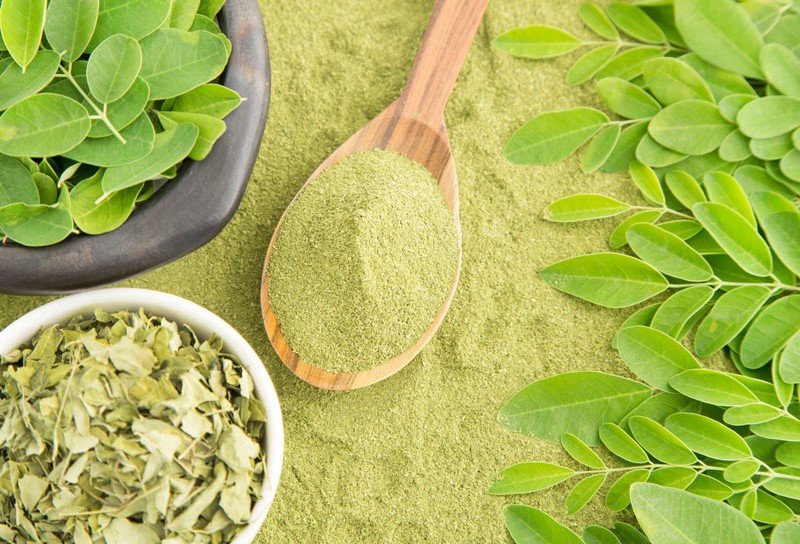
What Is Moringa Oleifera?
Moringa oleifera is the most prominent species in the Moringaceae family, a monogeneric group with 13 species, but oleifera is the one most valued for its multifaceted uses. It is a deciduous tree that can grow rapidly, often reaching heights of 10-12 meters in just a few years, making it an excellent choice for agroforestry and combating deforestation.
History and Traditional Uses
The history of moringa dates back millennia, with references in ancient Egyptian, Greek, and Roman texts noting its use in ointments and foods. In traditional Indian medicine, it was prescribed for skin diseases, anemia, and anxiety. African communities use leaf poultices for wounds and consume pods as a vegetable staple. These practices have been passed down generations, forming the basis for modern investigations into its efficacy.
Botanical Characteristics
The tree features tripinnate, feathery leaves that are rich in nutrients, delicate white-yellow flowers that attract pollinators, and distinctive long, hanging pods that resemble drumsticks—hence one of its common names. It flowers year-round in equatorial regions, ensuring continuous harvest potential. Its roots have a pungent, horseradish-like flavor, inspiring another name.
Global Cultivation and Names
Today, moringa is grown commercially in countries like India (the largest producer), Ghana, Haiti, and the Philippines. Organizations like the World Health Organization have promoted it for malnutrition programs. Names vary by region: “sajina” in Bengal, “moringa” in many languages, reflecting its widespread cultural integration.
Nutritional Profile of Moringa
Gram for gram, moringa leaves are among the most nutrient-dense plant foods available, often compared favorably to fruits and vegetables like oranges, carrots, and bananas. When dried into powder, the concentration increases, preserving nutrients for year-round use without refrigeration.
Essential Vitamins
Moringa leaves contain seven times the vitamin C of oranges, crucial for immune function and collagen production. Vitamin A content is four times that of carrots, supporting vision and skin health. B vitamins, including thiamine, riboflavin, and niacin, aid energy metabolism, while vitamin E acts as an additional antioxidant.
Key Minerals
It boasts 17 times the calcium of milk, vital for bones and teeth, especially in lactose-intolerant populations. Iron levels help combat anemia, potassium regulates blood pressure, and magnesium supports over 300 enzymatic reactions. Phosphorus contributes to energy production and bone structure.
Additional Compounds
- Provides a complete plant-based protein profile with all nine essential amino acids, unusual for greens.
- Rich in dietary fiber promoting digestive regularity and gut microbiome health.
- Abundant polyphenols, flavonoids, and glucosinolates offering superior antioxidant capacity compared to many superfoods.
Seeds yield ben oil, a stable, non-drying oil used in cooking and cosmetics.
Health Benefits of Moringa Oleifera
As of 2025, hundreds of studies, including randomized controlled trials and meta-analyses, have investigated moringa. While animal and in vitro research is robust, human evidence is growing, showing benefits in inflammation, metabolic health, and more.
Anti-Inflammatory and Antioxidant Properties
Chronic inflammation underlies many diseases; moringa’s isothiocyanates inhibit pro-inflammatory cytokines, as demonstrated in recent rodent models and preliminary human studies. Antioxidants scavenge free radicals, potentially reducing oxidative damage linked to aging and cancer.
Blood Sugar and Diabetes Management
Several 2024-2025 clinical trials report 10-20% reductions in fasting blood glucose when supplementing with moringa leaf powder. Mechanisms include enhanced insulin secretion and improved sensitivity, making it a supportive option for prediabetes and type 2 diabetes management.
Cardiovascular and Cholesterol Support
Quercetin and beta-sitosterol contribute to lower total and LDL cholesterol in hyperlipidemic patients per meta-analyses. Some trials note blood pressure reductions of 5-10 mmHg, attributing effects to potassium and vasodilatory compounds.
Other promising areas include liver protection against toxins, antibacterial activity against pathogens like E. coli, and potential anticancer effects via apoptosis induction in cell lines.
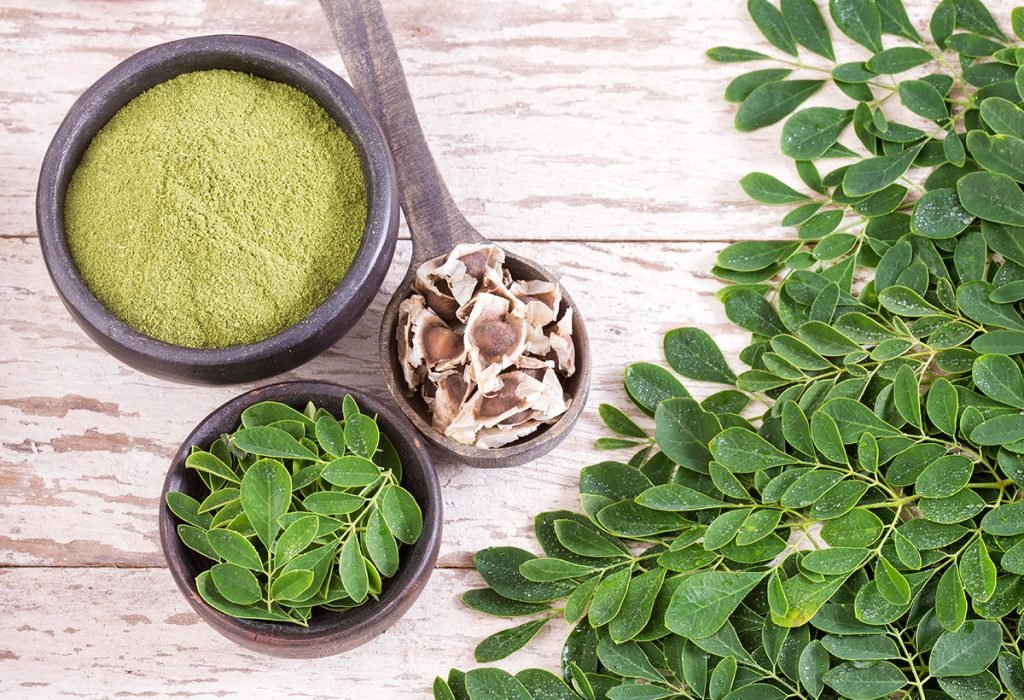
Skin, Hair, and Healing Benefits
Topical and oral moringa applications are popular in beauty and wound care, supported by traditional use and emerging science.
Wound Healing and Tissue Repair
Animal studies show moringa extracts accelerate epithelialization and collagen deposition by curbing oxidative stress. Human anecdotal reports and small trials suggest faster recovery from cuts and burns.
Skin Nourishment and Anti-Aging
Vitamins A, C, and E, plus zeatin (a cytokinin), promote collagen synthesis and hydration. Seed oil’s oleic acid content rivals olive oil for moisturizing, reducing fine lines and inflammation in conditions like acne or eczema.
Hair Health and Growth Support
Protein, zinc, and biotin in leaves strengthen hair shafts, while oil massages improve scalp circulation. Studies indicate reduced dandruff and hair fall with regular use.
Potential Side Effects and Precautions
Despite its safety profile, moringa is not without considerations, as highlighted in 2025 toxicology reviews.
Overall Safety Profile
Human trials up to doses of 50 grams daily show no serious adverse effects; common mild complaints include nausea or diarrhea at high intakes.
Drug Interactions and Contraindications
May potentiate antidiabetic or antihypertensive drugs, leading to hypoglycemia or hypotension. Thyroid function could be affected due to goitrogenic compounds; pregnant women should avoid roots due to potential abortifacient properties.
Read More: What is a honey pack? Benefits and risks
Recommended Practices
- Start with 1-2 grams daily and monitor effects.
- Opt for certified organic products to avoid contaminants.
- Always consult a healthcare professional, particularly with pre-existing conditions.
How to Use Moringa Oleifera
Incorporating moringa is straightforward, with options suiting various lifestyles and preferences.
Common Forms and Preparations
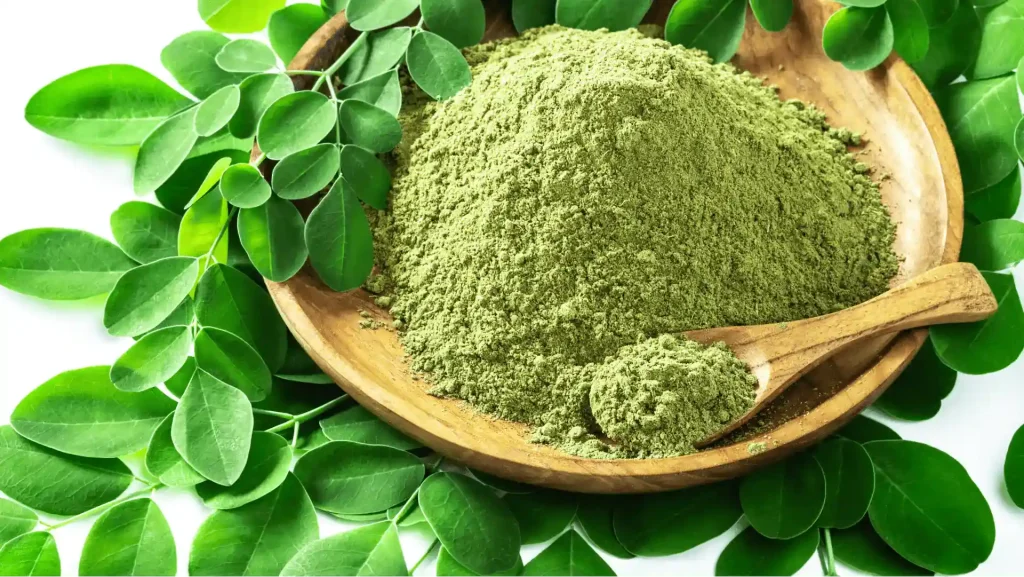
Powder from dried leaves is versatile for drinks; capsules offer precise dosing; teas from leaves or flowers provide a mild flavor; fresh pods cook like vegetables in stir-fries or soups.
Dosage Recommendations
General wellness: 3-6 grams powder daily. Therapeutic: Up to 10-20 grams in divided doses, based on studies. Topical oil: Apply as needed.
Practical Tips and Recipes
Blend powder into green smoothies with banana and spinach for a nutrient boost. Sauté pods with spices for a curry side dish. Infuse oil in salads or as a hair mask overnight. Experiment gradually to enjoy its earthy taste.
FAQs
What are the main benefits of moringa oleifera?
Powerful antioxidant and anti-inflammatory effects, blood sugar support, nutrient density, and skin/hair nourishment.
Is moringa safe for daily consumption?
Generally yes at recommended doses; monitor for personal tolerance and consult professionals.
Can moringa help with diabetes?
Evidence suggests modest blood glucose improvements; complements but doesn’t replace treatments.
Are there side effects of moringa?
Infrequent and mild; mainly digestive at high doses or interactions with medications.
How much moringa should I take daily?
Start with 3-6 grams of leaf powder; tailor based on goals and health status.
Does moringa help with weight loss? Some studies show it may improve insulin sensitivity, reduce fat accumulation, and curb appetite, but it is not a magic pill—best results come with a healthy diet and exercise.
Can I give moringa to children? Yes, in small amounts (1-2 grams daily for ages 3+), moringa is a safe, natural way to boost nutrition and fight malnutrition. Always choose pure leaf powder and check with a pediatrician first.
Is moringa good for high blood pressure? Several human studies show moringa can lower systolic blood pressure by 5-10 mmHg when taken regularly. Its potassium and antioxidant content help relax blood vessels, but keep monitoring your levels and talk to your doctor if you’re on medication.
Conclusion
Moringa oleifera continues to captivate as a true superfood in late 2025, delivering exceptional nutrition and diverse health benefits grounded in both ancient wisdom and modern science. From potent antioxidants combating daily stress to supportive roles in metabolic and cardiovascular health, its applications are vast and promising. Ongoing research refines our understanding, emphasizing its safety and efficacy. When sourced responsibly and used mindfully under guidance, moringa empowers natural, sustainable wellness for diverse populations worldwide.
