


Tokyo Electric Power Company Holdings (TEPCO) has restarted the No. 6 reactor at the Kashiwazaki-Kariwa nuclear power plant, marking a significant milestone in Japan’s long and cautious return to nuclear power generation following the devastating 2011 Fukushima Daiichi nuclear disaster. The restart comes after a temporary shutdown triggered by a malfunction detected in late January, only one day after the reactor had resumed operations for the first time in nearly 14 years.
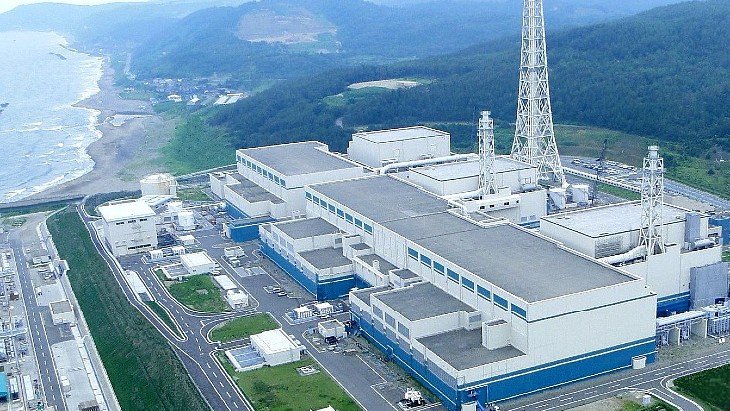
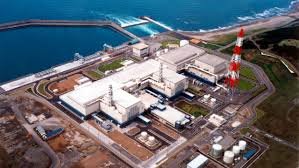
The Kashiwazaki-Kariwa facility, located in Niigata Prefecture, is the largest nuclear power plant in the world by capacity, and its gradual reactivation carries major implications for Japan’s energy security, electricity supply stability, and nuclear policy. The resumption of operations at Reactor No. 6 underscores TEPCO’s efforts to restore public trust, meet stringent safety regulations, and reduce Japan’s heavy dependence on fossil fuel imports.
Background: Kashiwazaki-Kariwa and Its Strategic Importance
An Overview of the Nuclear Power Plant
The Kashiwazaki-Kariwa nuclear power plant consists of seven reactors with a combined generating capacity exceeding 8,000 megawatts, making it the world’s most powerful nuclear facility. Operated by TEPCO, the plant historically supplied electricity to the Tokyo metropolitan area, supporting one of the most energy-intensive regions in the world.
Before the Fukushima disaster, nuclear energy accounted for roughly 30% of Japan’s electricity generation, and Kashiwazaki-Kariwa played a central role in meeting national demand.
Impact of the Fukushima Daiichi Disaster
In March 2011, a massive earthquake and tsunami struck northeastern Japan, triggering meltdowns at TEPCO’s Fukushima Daiichi nuclear power station. The incident caused the most severe nuclear accident since Chernobyl and led to:
- The evacuation of tens of thousands of residents
- Long-term environmental contamination
- A nationwide shutdown of nuclear reactors
- A dramatic loss of public trust in nuclear operators and regulators
In the aftermath, all reactors at Kashiwazaki-Kariwa were taken offline as Japan introduced stricter nuclear safety standards and reassessed its energy strategy.
The Restart of Reactor No. 6
First Activation in Nearly 14 Years
Reactor No. 6, with a capacity of 1,360 megawatts, was restarted in January, becoming TEPCO’s first reactor to resume operations since 2011. This was widely seen as a symbolic moment for both the company and Japan’s nuclear industry.
However, the optimism was short-lived.
Malfunction and Temporary Shutdown
Just one day after going online, TEPCO detected a malfunction in one of the reactor’s systems, prompting an immediate shutdown in late January. Although the company stated that the issue did not pose a safety risk, the stoppage highlighted:
- The complexity of restarting aging nuclear infrastructure
- The heightened scrutiny placed on TEPCO’s operations
- Lingering public concerns about nuclear safety
Reactor Restarted After Safety Checks
Resumption of Operations
According to TEPCO, the No. 6 reactor was successfully restarted at 2:00 p.m. local time (0500 GMT) on Monday. The company emphasized that the restart followed inspections and corrective measures to address the malfunction.
TEPCO stated that it will continue conducting comprehensive system checks to ensure that all equipment is functioning as designed and meets regulatory standards.
Commercial Operations Planned for March
While the reactor has been restarted, TEPCO clarified that commercial electricity generation is scheduled for March 18, pending further confirmation of system stability and regulatory compliance.
This phased approach reflects Japan’s post-Fukushima nuclear policy, which prioritizes caution, transparency, and incremental progress over rapid reactivation.
Why Kashiwazaki-Kariwa Matters to Japan’s Energy Policy
Energy Security and Rising Costs
Japan imports nearly all of its fossil fuels, making it highly vulnerable to:
- Global energy price fluctuations
- Supply chain disruptions
- Geopolitical tensions
Following the 2011 shutdown of nuclear plants, Japan significantly increased its reliance on liquefied natural gas (LNG), coal, and oil, leading to higher electricity costs and increased carbon emissions.
Restarting large-scale nuclear facilities like Kashiwazaki-Kariwa could:
- Stabilize electricity prices
- Reduce dependence on fossil fuels
- Improve energy self-sufficiency
Climate Commitments
Japan has pledged to achieve carbon neutrality by 2050, and nuclear power is viewed by policymakers as a necessary component of that strategy. Nuclear plants produce virtually no greenhouse gas emissions during operation, making them attractive in the fight against climate change.
Public Opposition and Local Resistance
Concerns Among Local Communities
Despite government support, the restart of Kashiwazaki-Kariwa remains controversial. Local residents and activists continue to express concerns about:
- Emergency evacuation plans
- Earthquake and tsunami risks
- TEPCO’s safety culture and transparency
Niigata Prefecture officials have demanded assurances that safety measures are robust and that lessons from Fukushima have been fully incorporated.
Trust Deficit Facing TEPCO
TEPCO’s reputation was severely damaged by its handling of the Fukushima crisis, including accusations of delayed disclosures and inadequate risk assessments. Even more than a decade later, rebuilding trust remains one of the company’s biggest challenges.
Regulatory Oversight and Safety Measures
Stricter Nuclear Regulations
Japan’s Nuclear Regulation Authority (NRA) introduced some of the world’s toughest safety standards after Fukushima. These include:
- Enhanced tsunami defenses
- Backup power systems
- Improved reactor containment measures
- Rigorous cybersecurity protocols
Reactor No. 6 underwent extensive inspections and upgrades before being cleared for restart.
Ongoing Monitoring
TEPCO has pledged to maintain continuous monitoring of the reactor and provide regular updates to regulators and the public. Any anomalies detected during the restart phase could delay or halt commercial operations.
Global Context: Nuclear Energy’s Gradual Comeback
A Worldwide Trend
Japan’s cautious return to nuclear power mirrors a broader global reassessment of nuclear energy. Countries such as France, the United Kingdom, and even the United States are extending the lifespans of existing reactors or planning new ones to meet climate goals.
However, nuclear energy remains a polarizing issue due to:
- High construction and maintenance costs
- Long-term waste disposal challenges
- Risks associated with accidents and natural disasters
Economic Implications
Impact on Electricity Markets
If Kashiwazaki-Kariwa eventually returns to full operation, it could significantly ease electricity supply constraints in eastern Japan, particularly during peak demand seasons.
Lower electricity prices could benefit:
- Industrial manufacturers
- Small businesses
- Households struggling with rising energy bills
Corporate and Investor Confidence
A successful restart would also signal improved operational competence at TEPCO, potentially strengthening investor confidence and stabilizing the company’s long-term outlook.
Read More: Trump says India will buy oil from Venezuela
FAQs
Why was Reactor No. 6 shut down again after restarting?
The reactor was shut down in late January after a malfunction was detected shortly after it resumed operations. TEPCO stated that the issue did not compromise safety but halted operations as a precaution.
How powerful is the No. 6 reactor?
Reactor No. 6 has a generating capacity of 1,360 megawatts, enough to supply electricity to millions of households.
Is Kashiwazaki-Kariwa the first TEPCO reactor to restart since Fukushima?
Yes. Reactor No. 6 is TEPCO’s first nuclear reactor to restart since the 2011 Fukushima Daiichi disaster.
When will the reactor begin commercial operations?
TEPCO plans to begin commercial electricity generation on March 18, provided all safety checks are completed successfully.
Why is the plant controversial?
The plant faces opposition due to safety concerns, TEPCO’s past handling of nuclear accidents, and fears about evacuation readiness in the event of an emergency.
Conclusion
The restart of Reactor No. 6 at the Kashiwazaki-Kariwa nuclear power plant represents a pivotal moment for TEPCO, Japan’s energy policy, and the future of nuclear power in the country. More than a decade after the Fukushima disaster, Japan is attempting to balance energy security, climate goals, and public safety in an environment still shaped by past trauma and skepticism.
