

The inspiring journey of a revered Islamic scholar whose teachings on Tasawwuf, self-purification, and moral reformation touched millions across the globe.
Early Life and Spiritual Calling
Pir Zulfiqar Ahmad Naqshbandi was born on April 1, 1953, in Jhang, Punjab, Pakistan, a city steeped in cultural and spiritual heritage. Though initially engaged in secular studies and professional life, Pir Naqshbandi felt a profound pull towards the inner dimensions of Islam. This spiritual inclination led him to embrace the Naqshbandi Mujaddidi Sufi order—a tradition renowned for silent remembrance (zikr), self-discipline, moral refinement, and a deep connection to the Quran and Sunnah.
After years of dedicated study, he received formal authorization (ijazah) in the Naqshbandi spiritual lineage, transitioning from a devoted student to a recognized spiritual guide. His life exemplified the principle that true spirituality is not only learned but lived.

Teaching, Bayans, and Global Outreach
Pir Naqshbandi was known for making complex spiritual concepts accessible. His lectures (bayans) and writings focused on core themes including:
- Inner purification (Tazkiyah): Cleansing the heart from spiritual ailments.
- Controlling the ego (Nafs): Overcoming desires and avoiding sinful actions.
- Gratitude (Shukr) and self-reflection: Essential daily practices for spiritual growth.
- Balanced spirituality: Harmonizing shari’ah (Islamic law) with suluk (spiritual path).
In the digital age, his teachings reached millions via online platforms, in Urdu, English, and other languages, inspiring both local and international audiences.
Jamia Mahad‑ul‑Faqeer Al‑Islami: A Center for Spiritual and Academic Excellence
One of Pir Naqshbandi’s most enduring contributions was the establishment of Jamia Mahad‑ul‑Faqeer Al‑Islami in Jhang. This institution became a unique fusion of spiritual training and classical Islamic scholarship.
The curriculum integrated:
- Classical Islamic jurisprudence (Fiqh)
- Quranic studies
- Hadith sciences
- Spiritual training (Suluk)
- Ethical character development
Students describe their time at Mahad‑ul‑Faqeer as life-transforming—an experience that shaped their knowledge, character, and inner spiritual lives.
Written Legacy: Books and Teachings
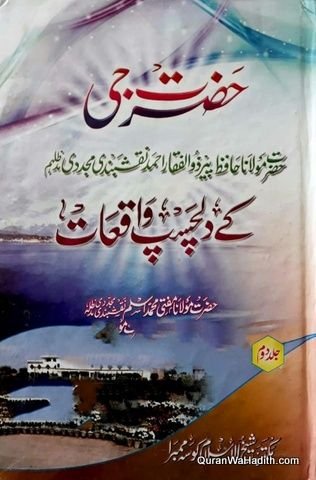
Pir Naqshbandi authored over 100 books covering spiritual ethics, personal reform, Islamic living, and jurisprudence. His works include:
- Tasawwuf wa Sulook (Spiritual Path and Conduct)
- Hayat-e-Habib (Life of the Beloved)
- Love for Allah (English publication)
- Fiqh ke Buniyadi Usul (Fundamental Principles of Islamic Jurisprudence)
- Gunahon se Toba Kijiyay (Repentance from Sins)
- Quran-e-Majeed ke Adbi Asrar o Ramooz (Literary Mysteries of the Holy Quran)
These writings combine profound scriptural insights with practical guidance, helping readers apply spiritual and ethical principles in daily life. Many have been translated into multiple languages, extending his influence worldwide.
Global Influence and Digital Presence
Through digital platforms, Pir Naqshbandi’s teachings reached millions globally. His emphasis on humility, disciplined spiritual growth, and self-reformation resonated with seekers in South Asia, the Middle East, Africa, Europe, and beyond. His message of inner peace, ethical living, and heartfelt devotion continues to inspire new generations of students and disciples.
Final Years and Passing
After a lifetime of service, Pir Zulfiqar Ahmad Naqshbandi passed away on December 14, 2025, at the age of 72. Funeral prayers were held at Jamia Mahad‑ul‑Faqeer Al‑Islami in Jhang, drawing scholars, students, and spiritual seekers from around the world. Tributes poured in, honoring his unwavering dedication to Islamic scholarship, moral reform, and spiritual guidance.
Scholars describe him as a guiding light whose contributions to inner purification (islah-e-nafs), ethical refinement, and sincere devotion will continue to inspire future generations.
Legacy and Enduring Impact
Pir Naqshbandi’s life exemplified the integration of knowledge, spirituality, and moral action. His teachings, writings, institutions, and digital outreach continue to guide seekers striving for inner peace, moral excellence, and a closer relationship with Allah. His legacy reminds us that true spiritual growth is achieved through sincere practice, humility, and heartfelt devotion.
FAQs About Pir Zulfiqar Ahmad Naqshbandi
Who was Pir Zulfiqar Ahmad Naqshbandi?
He was a renowned Islamic scholar and Sufi spiritual leader of the Naqshbandi Mujaddidi order, known for his teachings on inner purification, spiritual discipline, and moral reform.
What is the Naqshbandi Mujaddidi Sufi order?
It is a prominent Sufi lineage emphasizing silent remembrance (zikr), moral refinement, and a disciplined approach to spiritual growth, rooted in Quran and Sunnah.
What is Jamia Mahad‑ul‑Faqeer Al‑Islami?
A spiritual and academic institution founded by Pir Naqshbandi in Jhang, offering both traditional Islamic education and training in spiritual ethics and character development.
What were his major contributions?
He authored over 100 books, delivered transformative lectures globally, established Jamia Mahad‑ul‑Faqeer, and guided countless disciples in spiritual and ethical development.
How did Pir Naqshbandi influence the global Muslim community?
Through digital lectures, translations of his works, and his disciples worldwide, his teachings reached diverse communities across South Asia, the Middle East, Africa, and Europe.
What are some of his most famous books?
Notable works include Tasawwuf wa Sulook, Hayat-e-Habib, Love for Allah, Fiqh ke Buniyadi Usul, and Gunahon se Toba Kijiyay.
What lessons can modern seekers learn from his life?
His life teaches the importance of inner purification, ethical living, humility, sincere devotion, and balancing knowledge with practical spiritual practice.
Conclusion
Pir Zulfiqar Ahmad Naqshbandi’s life was a testament to the power of knowledge combined with spiritual practice. Through his guidance, writings, and institutions, he continues to illuminate paths for seekers of truth, fostering moral excellence, inner reform, and devotion to Allah. His enduring legacy reminds us that spirituality is not just a pursuit of knowledge but a lived experience rooted in sincerity, discipline, and heartfelt devotion.
