


Muslims around the world have come together to celebrate Eid al-Fitr for 1447 AH, marking the end of the holy month of Ramazan. Traditionally a time of joy, unity, and gratitude, this year’s celebrations were a mix of happiness and hardship, especially across parts of the Middle East affected by ongoing conflict.
From vibrant prayer gatherings to subdued moments of reflection, scenes from across continents reveal both the resilience and the challenges faced by Muslim communities globally.
A Global Celebration of Faith and Unity
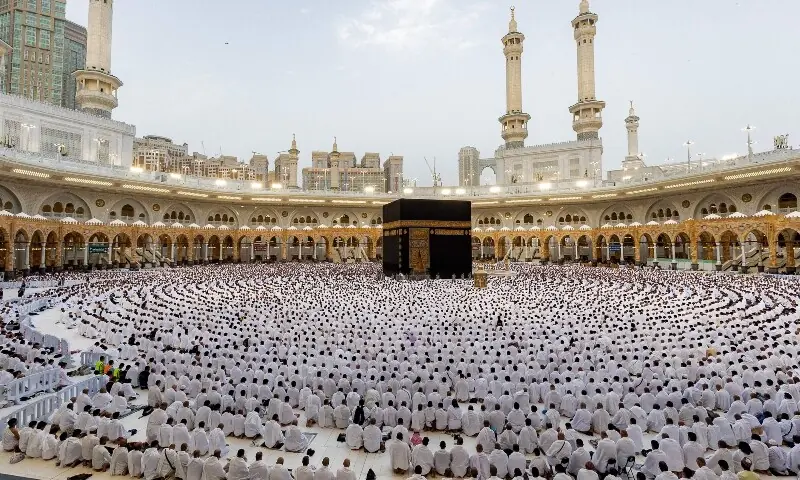
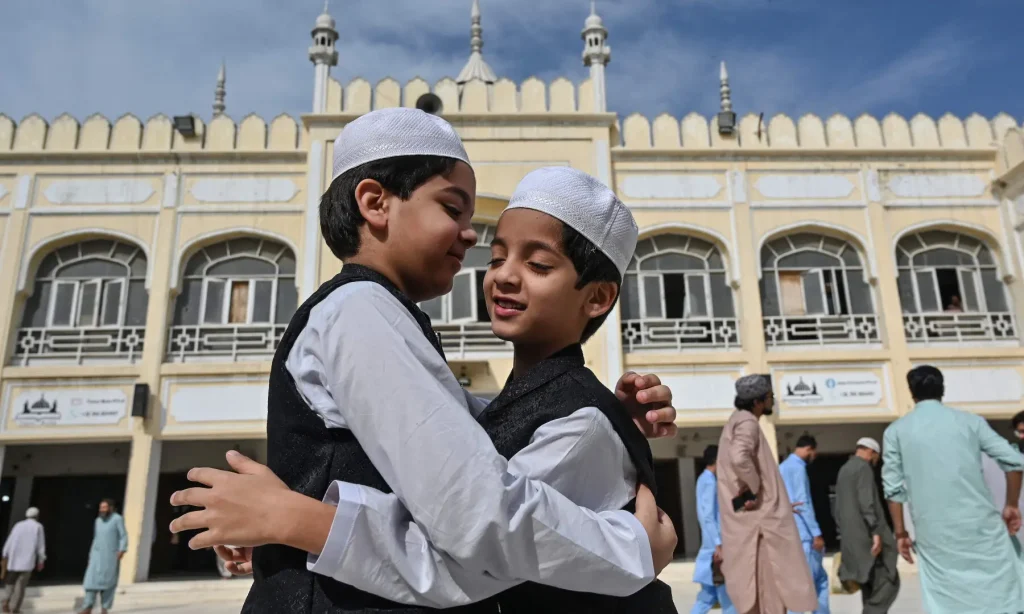
Across countries like Pakistan, India, Indonesia, and Saudi Arabia, millions gathered in mosques and open grounds to offer special Eid prayers.
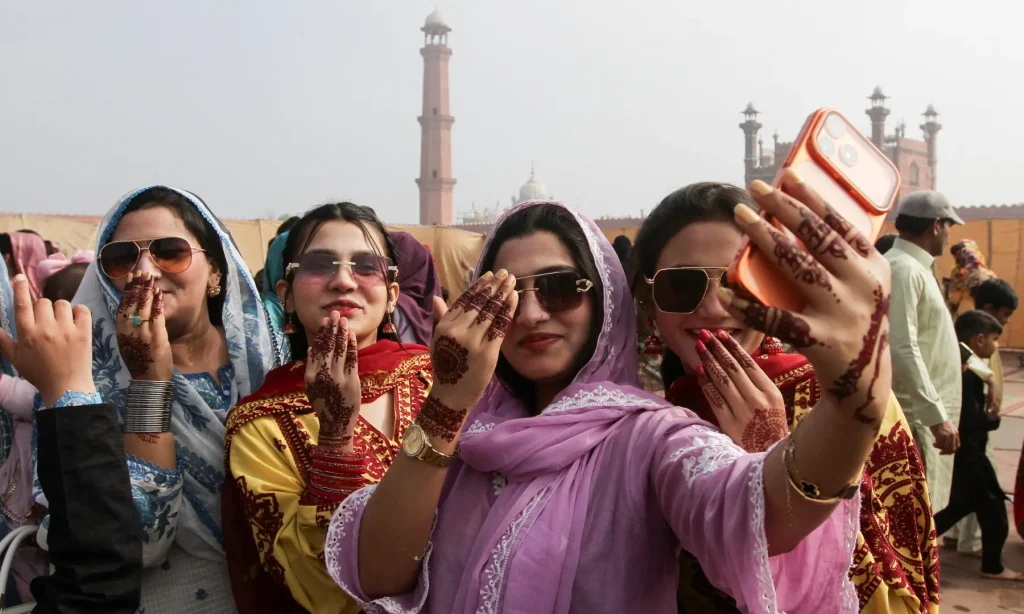
In cities such as Lahore and Karachi, worshippers filled iconic mosques, including the historic Badshahi Mosque, where families embraced after prayers and shared in the festive spirit. Children, dressed in colorful attire, exchanged hugs and gifts, symbolizing joy and renewal.
Similarly, in Delhi and Bengaluru, large congregations gathered at mosques like Jama Masjid, despite early morning fog, to mark the occasion with devotion and unity.
In Makkah, thousands circled the Kaaba at the Grand Mosque, while in Jakarta and Nairobi, open-air prayers reflected the global scale of the celebration.
Celebrations Shadowed by Conflict
While many regions experienced festive joy, the mood was notably somber in conflict-affected areas such as Gaza Strip, Lebanon, and Iran.
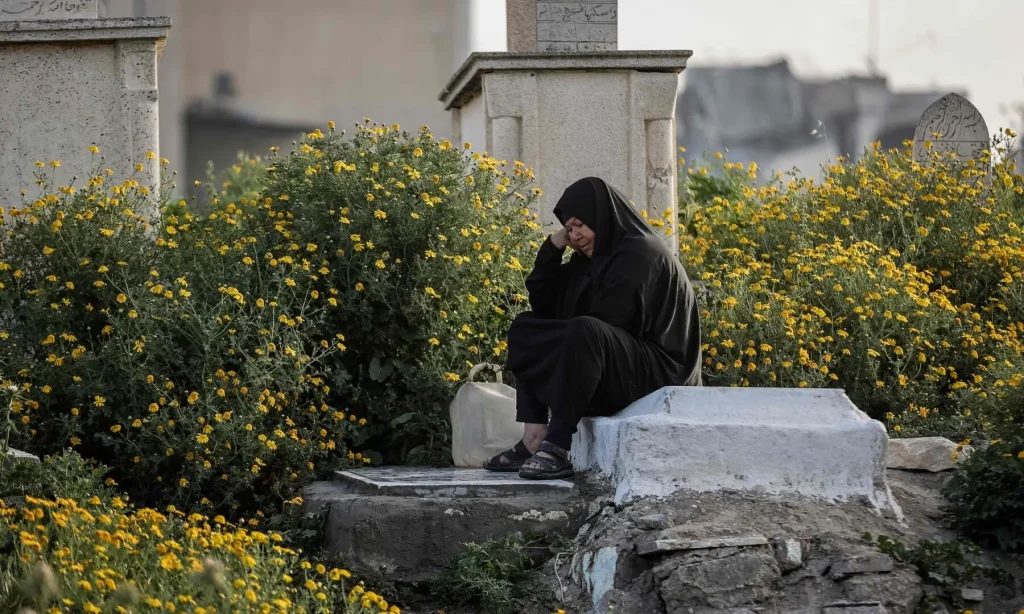
In Gaza City, families gathered for prayers amid the آثار of destruction. Children posed for photos, but the backdrop of damaged buildings and displacement camps served as a stark reminder of ongoing violence. Many also visited cemeteries, mourning loved ones lost in recent attacks.
In Beirut, displaced families marked Eid in shelters, where celebrations were modest and tinged with uncertainty. Despite limited resources, communities came together to share what little they had, demonstrating resilience and solidarity.
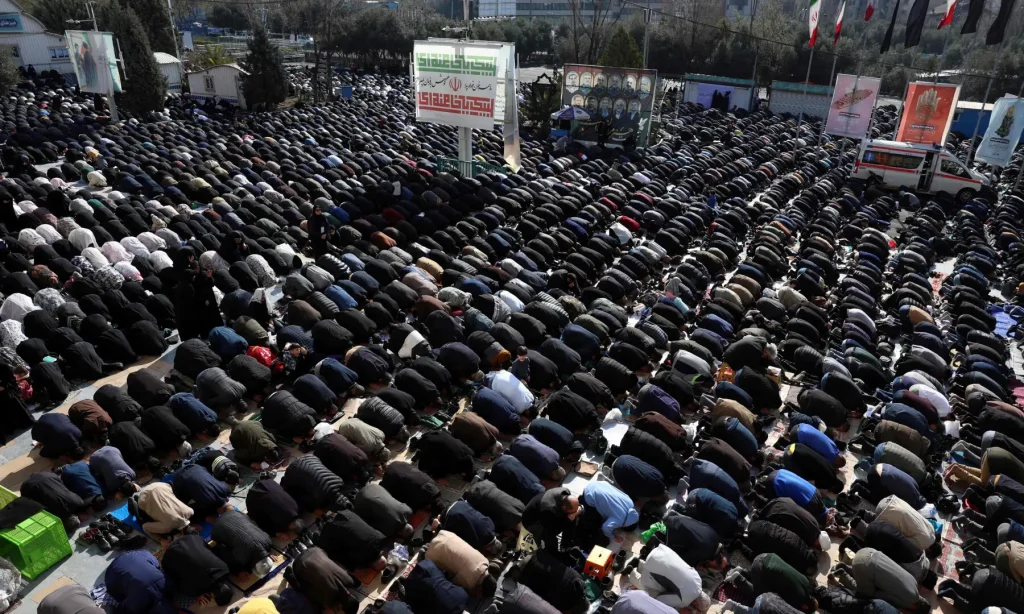
Meanwhile, in Tehran and Mashhad, large crowds gathered for prayers, with some expressing political sentiments during sermons and gatherings.
Scenes of Resilience and Humanity
From Skardu to Moscow, and from Beijing to Cairo, the essence of Eid remained consistent—faith, compassion, and community.
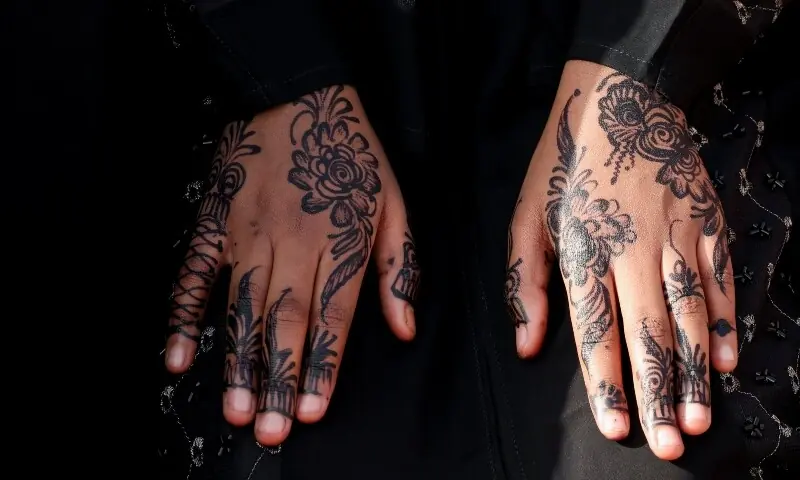
Even in areas facing hardship, small moments of joy stood out: children playing after prayers, families sharing meals, and communities extending charity to those in need. These scenes highlighted the enduring spirit of Eid, even in the face of adversity.
The Meaning of Eid Beyond Celebration
Eid al-Fitr is not only about celebration but also about reflection, gratitude, and generosity. It marks the conclusion of a month dedicated to fasting, prayer, and self-discipline.
This year, the contrast between peaceful celebrations and conflict zones has underscored the deeper meaning of Eid—empathy for those suffering and a renewed commitment to peace and unity.
Read More: Israel says Haifa oil refinery hit in Iranian missile attack
FAQs
What is Eid al-Fitr?
Eid al-Fitr is an اسلامی festival marking the end of Ramadan, celebrated with prayers, charity, feasting, and social gatherings.
Why were celebrations subdued in some regions?
Ongoing conflicts, particularly in Gaza, Lebanon, and Iran, led to more somber and restrained celebrations.
How do Muslims typically celebrate Eid?
Celebrations include special prayers, visiting family and friends, exchanging gifts, and giving charity (Zakat al-Fitr).
Which countries saw large Eid gatherings this year?
Countries like Pakistan, India, Saudi Arabia, Indonesia, and many others witnessed large congregational prayers.
What role does charity play during Eid?
Charity is a central part of Eid, ensuring that even the less fortunate can participate in the celebrations.
Conclusion
This year’s Eid al-Fitr celebrations painted a powerful picture of contrast—joy and sorrow, unity and struggle. While millions celebrated with happiness and festivity, others observed the occasion under the shadow of conflict and loss. Yet, across borders and circumstances, the core message of Eid endured: hope, resilience, and compassion. Whether in grand mosques or makeshift shelters, the spirit of Eid continues to unite Muslims worldwide, reminding humanity of the importance of peace, empathy, and togetherness.
