


Muslims across the globe are celebrating Eid al-Adha, one of the most significant and sacred festivals in Islam. Known as the “Festival of Sacrifice,” Eid al-Adha is a time of worship, gratitude, charity, and unity. Observed on the 10th day of Dhul Hijjah, the final month of the Islamic lunar calendar, the holiday commemorates the unwavering faith and obedience of Prophet Ibrahim (AS), who was willing to sacrifice his beloved son in submission to the command of Allah.
The celebration of Eid al-Adha coincides with the culmination of Hajj, the annual pilgrimage to the holy city of Mecca in Saudi Arabia. In 2026, more than 1.7 million pilgrims gathered to perform the sacred rites of Hajj, making it one of the largest religious gatherings in the world. While pilgrims complete their spiritual journey in the holy cities of Mecca, Mina, Arafat, and Muzdalifah, Muslims in every corner of the world celebrate Eid with prayers, family gatherings, charitable acts, and the ritual sacrifice of animals.
This year’s Eid al-Adha arrives during a period marked by both celebration and challenge. While millions rejoice in the blessings of faith and family, many Muslim communities continue to endure conflict, displacement, economic hardship, and humanitarian crises. Yet despite these difficulties, the spirit of Eid remains strong, reminding believers of the values of sacrifice, patience, compassion, and trust in Allah.
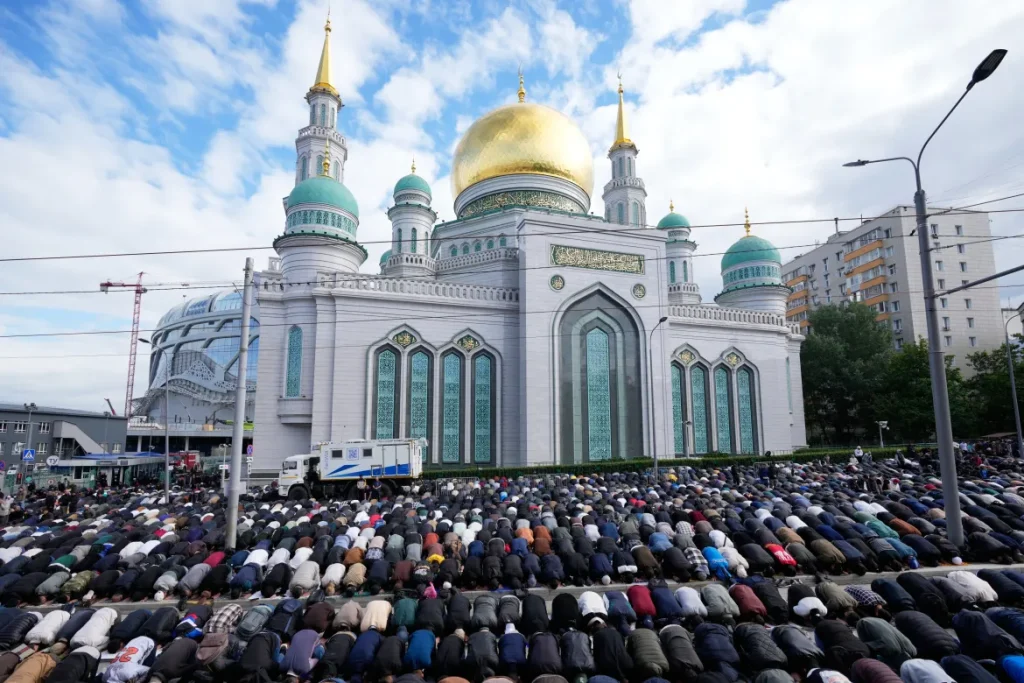
The Meaning and Significance of Eid al-Adha
Eid al-Adha is deeply rooted in the story of Prophet Ibrahim (AS), one of the most revered prophets in Islam. According to Islamic tradition, Ibrahim (AS) received a command from Allah in a dream instructing him to sacrifice his son Ismail (AS). Understanding that the command came from Allah, Ibrahim prepared to obey despite the immense emotional pain it would cause.
Ismail (AS), demonstrating remarkable faith and submission, accepted Allah’s decree and encouraged his father to fulfill the command. However, just as Ibrahim was about to carry out the sacrifice, Allah replaced Ismail with a ram, sparing his life and rewarding their obedience.
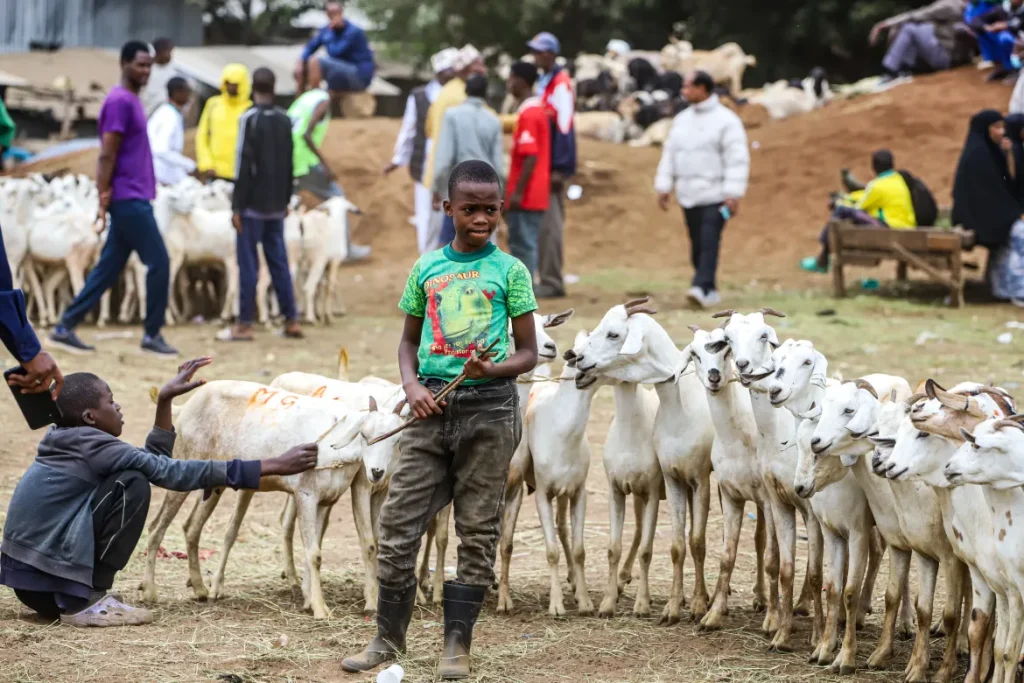
This profound story symbolizes complete submission to Allah, trust in divine wisdom, and the importance of sacrifice for a greater purpose. Every year, Muslims commemorate this event through the ritual sacrifice of livestock such as sheep, goats, cows, or camels.
The sacrifice is not merely a ritual act but a reminder of devotion, gratitude, and social responsibility. The meat is traditionally divided into portions for family members, relatives, friends, and those who are less fortunate. This distribution ensures that the blessings of Eid are shared throughout society.
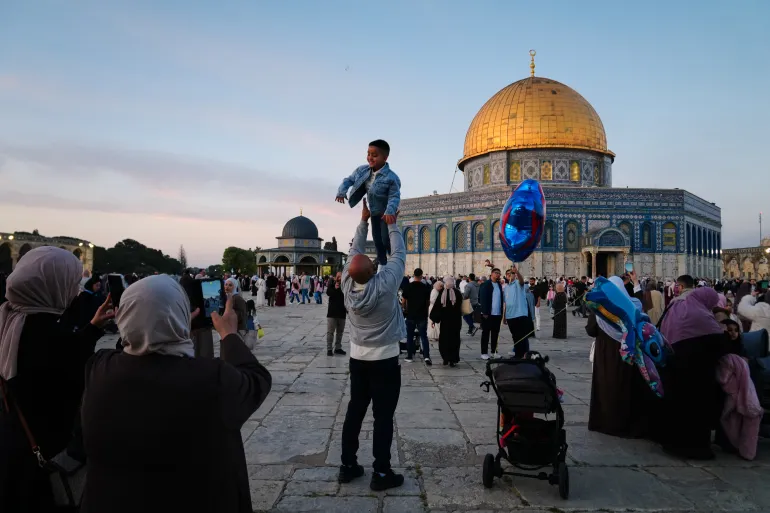
Eid al-Adha and the Hajj Pilgrimage
One of the unique aspects of Eid al-Adha is its close connection with Hajj, the fifth pillar of Islam. Every Muslim who is physically and financially capable is expected to perform Hajj at least once in their lifetime.
In 2026, more than 1.7 million pilgrims traveled to Saudi Arabia to fulfill this sacred obligation. The pilgrimage includes a series of rituals that commemorate the experiences of Prophet Ibrahim (AS), his wife Hajar (AS), and their son Ismail (AS).
Pilgrims gather at various holy sites, including Mina, Muzdalifah, Arafat, and the Grand Mosque in Mecca. The Day of Arafat, often considered the most important day of Hajj, sees millions of pilgrims standing in prayer and reflection on the plains of Arafat.
Many Muslims believe that sincere prayers offered on this day are especially accepted by Allah. Pilgrims spend hours seeking forgiveness, mercy, and spiritual renewal.
After sunset, pilgrims travel to Muzdalifah, where they spend the night under the open sky and collect pebbles for the symbolic stoning of the devil. This ritual represents rejecting temptation and remaining steadfast in faith.
The following day, pilgrims perform the stoning ritual in Mina, sacrifice animals, and return to Mecca to perform Tawaf around the Kaaba. These acts symbolize purification, obedience, and spiritual rebirth.
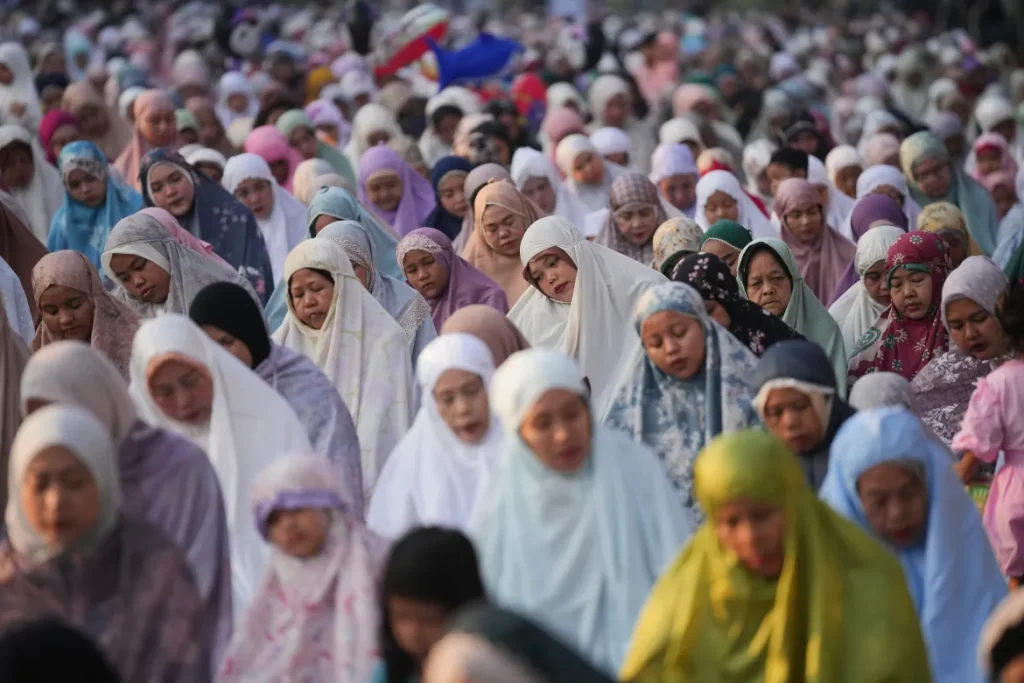
Celebrations Around the World
Eid al-Adha is celebrated differently across cultures, yet its core values remain universal.
In Saudi Arabia, the festival is closely linked with the completion of Hajj. Streets and mosques are filled with worshippers, while families gather to share meals and celebrate together.
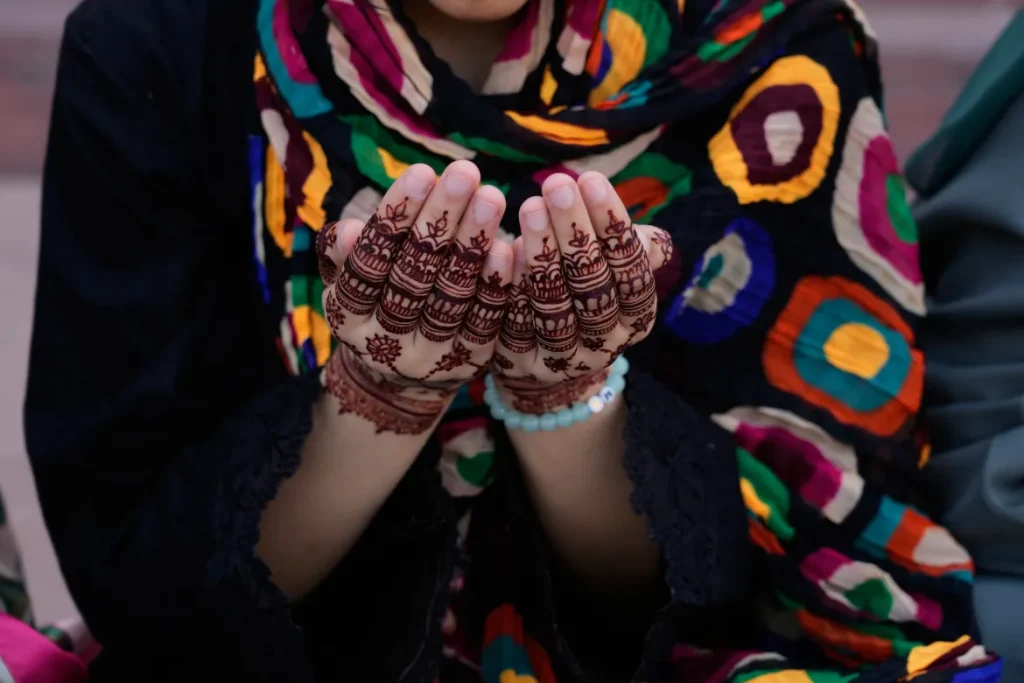
In Pakistan, Eid begins with special morning prayers attended by millions. Families dress in new clothes, exchange greetings, visit relatives, and distribute meat to the needy. Traditional dishes are prepared throughout the day, and communities come together in celebration.
In Indonesia, the world’s largest Muslim-majority nation, mosques and open fields host large Eid prayers. Community leaders organize sacrifices and distribute meat among local residents.
Across Africa, countries such as Nigeria, Sudan, Kenya, and Senegal witness colorful celebrations featuring communal prayers, cultural traditions, and acts of charity.
In Europe and North America, Muslim communities gather in mosques, parks, and convention centers to perform Eid prayers. Despite being far from their ancestral homelands, Muslims maintain strong traditions while sharing the spirit of Eid with neighbors and friends from diverse backgrounds.
Eid Amid Global Challenges
While Eid is traditionally a joyful occasion, many Muslim communities are celebrating under difficult circumstances.
In Gaza, thousands of families continue to face the devastating effects of war, displacement, and humanitarian hardship. Many people are spending Eid in temporary shelters or tents, with limited access to food, clothing, and essential services.
Despite these hardships, Palestinians continue to observe Eid prayers and traditions whenever possible, demonstrating resilience and faith in the face of adversity.
Similarly, communities affected by conflict in Sudan, Yemen, and other regions are marking Eid under challenging conditions. Yet the message of sacrifice, hope, and perseverance remains deeply meaningful during such times.
Humanitarian organizations across the Muslim world are increasing relief efforts during Eid, providing food, clothing, and financial assistance to vulnerable families.
The Spirit of Charity During Eid
One of the defining characteristics of Eid al-Adha is generosity.
Muslims are encouraged to share their blessings with others, especially those who are struggling financially. The meat from sacrificed animals is often distributed among neighbors, relatives, and the poor.
Charitable organizations coordinate large-scale food distribution programs to ensure that disadvantaged families can participate in the celebrations.
Many people also donate money, sponsor sacrifices in impoverished regions, and support humanitarian initiatives around the world.
This emphasis on charity reflects Islam’s broader teachings about social justice, compassion, and community welfare.
Family Traditions and Cultural Celebrations
Eid al-Adha is also a deeply family-oriented holiday.
Relatives travel long distances to reunite with loved ones. Homes are decorated, special meals are prepared, and children receive gifts and treats.
Traditional foods vary widely across different countries. In Pakistan, families enjoy dishes such as biryani, kebabs, and qorma. In the Middle East, lamb dishes, rice preparations, and sweets are commonly served. African and Southeast Asian communities have their own unique culinary traditions that enrich the celebration.
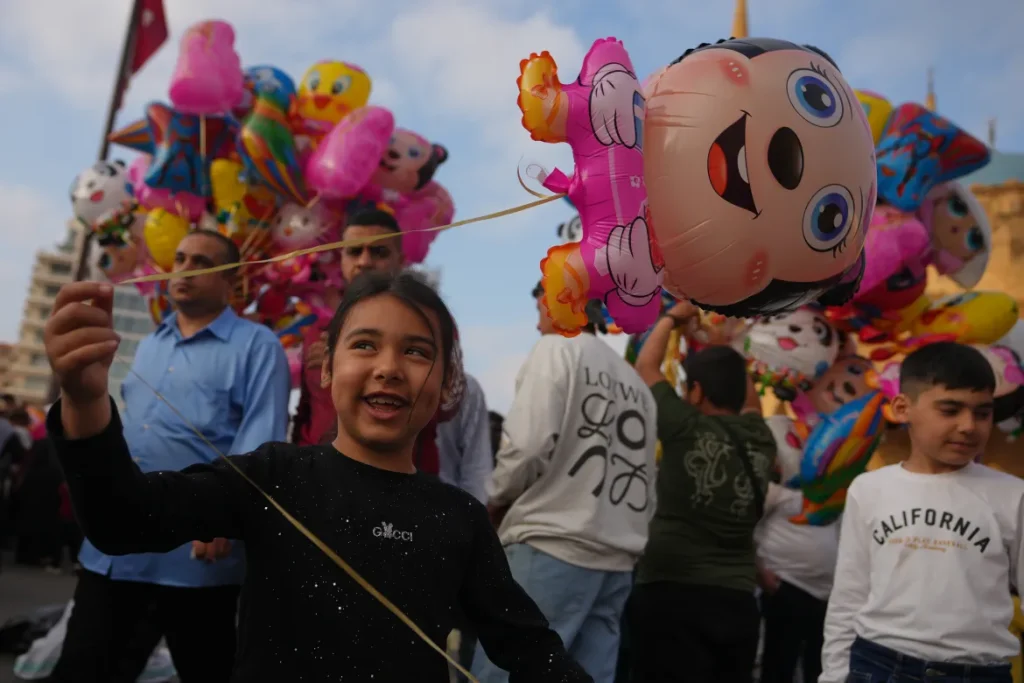
Children often view Eid as one of the happiest times of the year. New clothes, family visits, festive meals, and community events create lasting memories.
The Global Importance of Eid al-Adha
Eid al-Adha serves as a reminder that Islam is a global faith connecting people from diverse cultures, languages, and backgrounds.
Whether in bustling cities or remote villages, Muslims celebrate the same occasion, recite the same prayers, and reflect on the same lessons of faith and sacrifice.
The festival strengthens bonds between individuals, families, and communities. It encourages generosity, empathy, and gratitude while reinforcing spiritual values that transcend national borders.
As millions of pilgrims complete Hajj and billions of Muslims celebrate Eid worldwide, the holiday stands as a powerful symbol of unity and devotion.
Read More: Global heating is making hajj ever more dangerous, report finds
FAQs
What is Eid al-Adha?
Eid al-Adha, or the Festival of Sacrifice, is one of the two major Islamic holidays. It commemorates Prophet Ibrahim’s willingness to sacrifice his son in obedience to Allah.
Why is animal sacrifice performed during Eid al-Adha?
The sacrifice symbolizes Ibrahim’s devotion and obedience to Allah. The meat is distributed among family members, friends, and those in need.
How is Eid al-Adha connected to Hajj?
Eid al-Adha coincides with the completion of Hajj, the annual pilgrimage to Mecca. Many Hajj rituals commemorate events associated with Prophet Ibrahim and his family.
Who is required to perform Hajj?
Hajj is required once in a lifetime for every Muslim who is physically and financially capable of undertaking the journey.
How do Muslims celebrate Eid al-Adha?
Muslims celebrate with special prayers, animal sacrifice, charitable giving, family gatherings, festive meals, and community activities.
Conclusion
Eid al-Adha remains one of the most cherished and spiritually significant occasions in the Islamic calendar. It commemorates a timeless story of faith, obedience, sacrifice, and trust in Allah. As Muslims around the world gather to pray, share meals, distribute charity, and strengthen family bonds, they also reflect upon the deeper lessons embodied by Prophet Ibrahim (AS) and his family. The festival’s connection with Hajj further enhances its significance, uniting millions of believers in one of humanity’s largest acts of collective worship. In 2026, more than 1.7 million pilgrims completed their sacred journey, while countless others celebrated Eid in their homes and communities across the globe. Despite ongoing conflicts, humanitarian crises, and economic challenges affecting many regions, the spirit of Eid continues to inspire hope, resilience, and compassion. It serves as a reminder that true sacrifice involves not only material offerings but also kindness, generosity, patience, and unwavering faith. As the celebrations continue worldwide, Eid al-Adha stands as a powerful testament to the enduring values of Islam and the unity of the global Muslim community. Through prayer, charity, and shared humanity, Muslims everywhere honor a tradition that has inspired generations and continues to bring people together in devotion and gratitude.
