


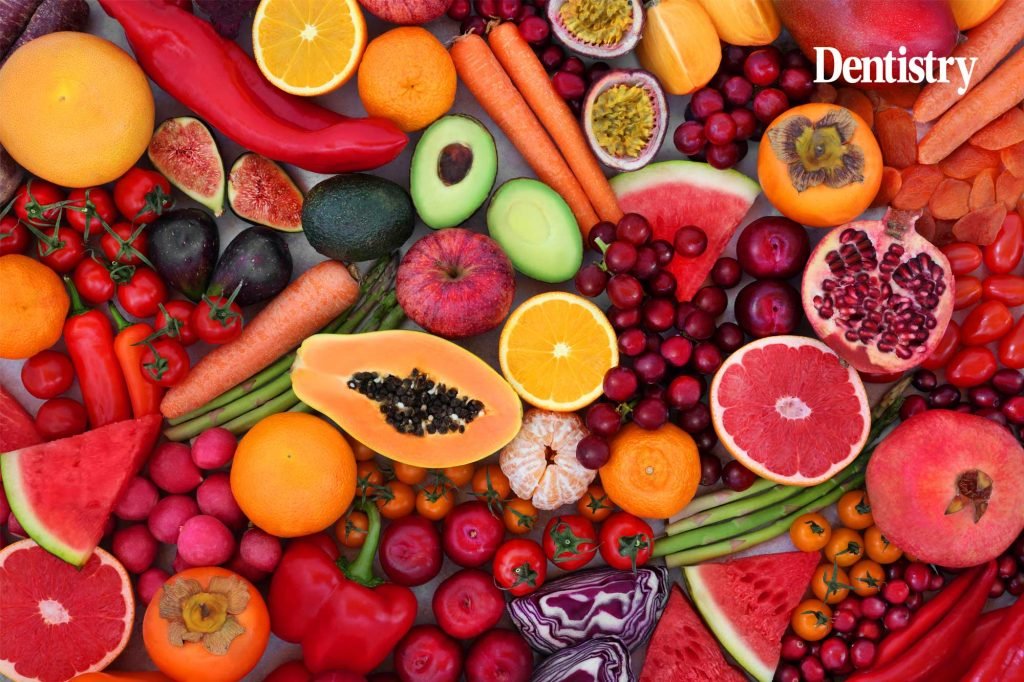
Low-intake of red fruits linked to higher gum disease risk body of scientific evidence continues to underline a simple but powerful truth: what we eat profoundly shapes not only our general health but also the health of our mouths. In the latest research to draw attention worldwide, scientists have found that insufficient intake of lycopene, a potent antioxidant found primarily in red fruits such as tomatoes, watermelon, and grapefruit, is strongly associated with a higher risk of severe gum disease, particularly among older adults.
The findings add important weight to the idea that nutrition is a critical, yet often overlooked, pillar of oral health. While brushing, flossing, and regular dental visits remain essential, this new study suggests that dietary patterns, especially the consumption of lycopene-rich foods, may significantly influence the development and progression of periodontitis, a serious form of gum disease that can lead to tooth loss and broader systemic health problems.
Understanding Gum Disease: More Than a Dental Problem
Gum disease, clinically referred to as periodontal disease, is a chronic inflammatory condition that affects the tissues surrounding and supporting the teeth. It typically begins as gingivitis, a mild and reversible form marked by redness, swelling, and bleeding gums. When left untreated, gingivitis can progress to periodontitis, in which the gums pull away from the teeth, bone is destroyed, and teeth may eventually become loose or fall out.
Globally, periodontitis is one of the most common chronic diseases in adults. According to international health estimates, severe periodontitis affects hundreds of millions of people worldwide and is a leading cause of tooth loss among older adults. Beyond the mouth, gum disease has been linked to cardiovascular disease, diabetes, respiratory infections, and adverse pregnancy outcomes.
Against this backdrop, identifying modifiable risk factors such as diet has become a major focus of public health research.
The Study at a Glance
The new study examined the relationship between dietary lycopene intake and the prevalence of severe periodontitis among adults aged 65 to 79 years. Researchers analyzed dietary data, dental examinations, and health histories to assess whether individuals who consumed lower levels of lycopene were more vulnerable to advanced gum disease.
The results were striking:
- 48.7% of participants were found to have some degree of periodontitis.
- 77.9% of participants did not meet recommended levels of dietary lycopene intake.
- Individuals with adequate lycopene intake were approximately one-third as likely to develop severe periodontitis compared to those with insufficient intake.
Even after adjusting for well-known risk factors such as age, sex, race, smoking status, and socioeconomic variables, the association between low lycopene intake and severe gum disease remained statistically significant.
These findings suggest that lycopene may play an independent protective role in maintaining periodontal health.
What Is Lycopene?
Low intake Lycopene is a naturally occurring carotenoid pigment responsible for the red and pink coloration of many fruits and vegetables. Unlike some other carotenoids, lycopene does not convert into vitamin A in the body. Instead, it functions primarily as a powerful antioxidant.
Common dietary sources of lycopene include:
- Tomatoes and tomato-based products (sauces, paste, juice)
- Watermelon
- Pink and red grapefruit
- Papaya
- Guava
- Red bell peppers (to a lesser extent)
Interestingly, processed tomato products often contain more bioavailable lycopene than raw tomatoes, because heat breaks down plant cell walls and makes lycopene easier for the body to absorb.
How Lycopene Protects Gum Health
Researchers believe lycopene supports gum health through several interconnected biological mechanisms:
Antioxidant Action
Periodontitis is driven in part by oxidative stress—an imbalance between harmful free radicals and the body’s ability to neutralize them. Lycopene is one of the most potent dietary antioxidants known, capable of scavenging free radicals and reducing oxidative damage in gum tissues.
Anti-Inflammatory Effects
Chronic inflammation lies at the heart of periodontal disease. Lycopene has been shown to suppress inflammatory pathways and reduce the production of pro-inflammatory cytokines, helping to calm inflamed gum tissue.
Immune System Modulation
A healthy immune response is essential for controlling the bacteria that cause gum disease. Lycopene appears to enhance immune function while preventing excessive inflammatory responses that damage tissue.
Support for Tissue and Bone Health
Emerging evidence suggests lycopene may help protect alveolar bone—the bone that supports teeth—by limiting inflammatory bone loss, a key feature of advanced periodontitis.
Why Older Adults Are Especially at Risk
The study focused on adults aged 65 to 79, a group already at elevated risk for gum disease due to several age-related factors:
- Reduced immune efficiency
- Higher likelihood of chronic conditions such as diabetes
- Long-term exposure to plaque and oral bacteria
- Medications that cause dry mouth
- Difficulty maintaining optimal oral hygiene
When low lycopene intake is added to these factors, the risk of severe periodontitis appears to rise substantially.
Nutrition often declines with age due to reduced appetite, limited access to fresh foods, or dietary restrictions, making older adults particularly vulnerable to micronutrient deficiencies.

Demographic Disparities Highlighted by the Research
The study also revealed important disparities in gum disease prevalence across different demographic groups.
- Men were more likely than women to experience severe periodontitis.
- Non-Hispanic Black adults showed a higher prevalence of advanced gum disease compared to other racial and ethnic groups.
These disparities likely reflect a complex interplay of factors, including access to dental care, socioeconomic status, health literacy, diet quality, and exposure to systemic stressors.
The findings emphasize the need for targeted public health strategies that address both nutritional gaps and oral healthcare inequities.
Red Fruits and Oral Health: Beyond Lycopene
While lycopene has taken center stage in this research, red fruits offer additional oral health benefits through other nutrients:
- Vitamin C, essential for collagen formation and gum integrity
- Polyphenols, which exhibit antibacterial properties
- Dietary fiber, which stimulates saliva flow and supports oral cleansing
Tomatoes, watermelon, and grapefruit contribute to overall hydration and salivary function, both crucial for neutralizing acids and washing away food particles and bacteria.
Supporting Evidence From Other Fruit-Based Research
This study follows closely on the heels of other promising research into fruit-derived compounds and periodontal health.
In 2025, scientists identified morin, a natural flavonoid found in guava leaves, apple and fig peels, certain teas, and almonds, as a potential therapeutic agent against periodontal disease. Laboratory studies showed that morin possesses:
- Antimicrobial properties against periodontal pathogens
- Anti-inflammatory effects
- Strong antioxidant activity
Dr. Luciana Solera Sales of São Paulo State University explained that researchers are working to develop morin-based delivery systems suitable for oral use, including tablets, films, and microparticles.
“We started developing these systems in the form of tablets, films, and microparticles. However, until now, they were too large for oral use. In my PhD, we improved these products by making them smaller and more effective,” she said.
Together, these studies reinforce the idea that plant-based compounds can play a meaningful role in preventing and managing gum disease.
Nutrition as a Pillar of Preventive Dentistry
For decades, preventive dentistry has focused primarily on mechanical plaque control—brushing, flossing, and professional cleanings. While these practices remain indispensable, nutrition is increasingly recognized as an equally important pillar.
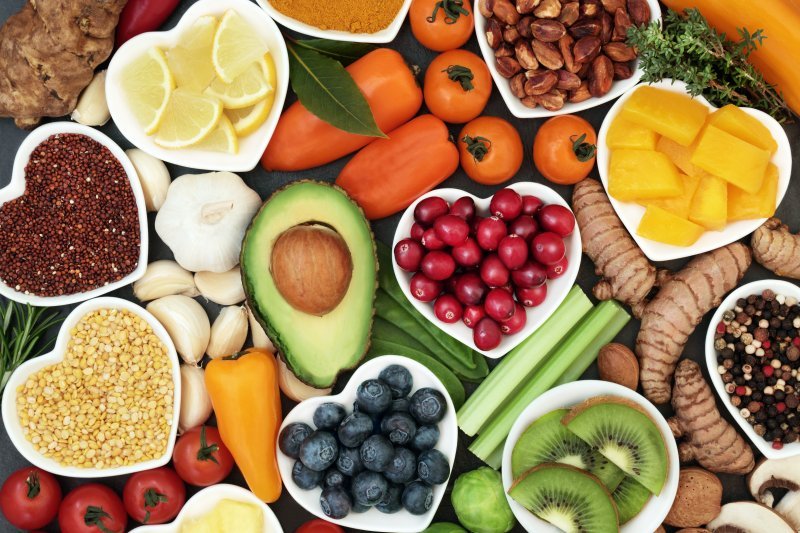
A diet rich in fruits, vegetables, whole grains, lean proteins, and healthy fats supports:
- Strong immune defenses
- Reduced systemic inflammation
- Better tissue repair
- Balanced oral microbiota
Lycopene-rich foods fit naturally into this framework, offering a simple and accessible way to support periodontal health.
Practical Ways to Increase Lycopene Intake
Incorporating more lycopene into the diet does not require drastic changes. Simple strategies include:
- Adding tomato slices to sandwiches and salads
- Using tomato-based sauces in home cooking
- Drinking tomato juice in moderation
- Enjoying watermelon as a snack or dessert
- Including pink grapefruit at breakfast
Cooking tomatoes with a small amount of healthy fat, such as olive oil, can significantly improve lycopene absorption.
Read More: The Best Time to Eat Dates for Energy and Digestion
FAQs
What is periodontitis?
Periodontitis is a severe form of gum disease that damages the tissues and bone supporting the teeth, potentially leading to tooth loss.
What is lycopene?
Lycopene is a powerful antioxidant found mainly in red and pink fruits such as tomatoes, watermelon, and grapefruit.
How does lycopene help prevent gum disease?
Lycopene reduces oxidative stress and inflammation in gum tissues, both of which are key drivers of periodontitis.
Who is most at risk from low lycopene intake?
Older adults, especially those aged 65 to 79, appear to be most vulnerable, according to the study.
Can lycopene replace brushing and flossing?
No. Lycopene supports gum health but cannot replace proper oral hygiene and regular dental care.
Are supplements as effective as food sources?
Whole foods are generally preferred, as they provide additional nutrients that work synergistically with lycopene.
How much lycopene should I consume daily?
There is no official recommended daily allowance, but diets rich in fruits and vegetables typically provide sufficient amounts.
Conclusion
The link between low intake of red fruits and a higher risk of severe gum disease underscores an important message: oral health begins on the plate as much as it does in the bathroom mirror. This new research suggests that lycopene, a readily available nutrient found in common foods, may offer significant protection against periodontitis, particularly for older adults who are already at increased risk. Combined with evidence from other fruit-derived compounds, the findings point toward a future in which nutrition plays a central role in preventive and therapeutic dental care.
