


Dubai is widely recognized for its modern skyline, luxury lifestyle, and towering architectural achievements. The city is home to some of the tallest and most iconic buildings in the world, including the famous Burj Khalifa, the tallest building on Earth. Millions of tourists, investors, and expatriates are drawn to Dubai each year because of its reputation as a safe and technologically advanced global city.
However, even cities known for stability and security can face unexpected tragedies. A recent incident shocked residents and the international community when falling debris from an aerial interception struck a landmark residential tower in the Dubai Marina area. The same debris also hit a vehicle in another district, leading to the death of a man.
The event highlighted the potential dangers of military interceptions over populated areas and demonstrated how regional geopolitical tensions can unexpectedly affect civilian life. The incident not only caused fear among residents but also sparked global discussions about urban safety, missile defense systems, and the risks of modern warfare.
This article provides a detailed look at the incident, including its causes, impact, official responses, and broader implications for urban security. It also includes frequently asked questions (FAQs) to help readers better understand the situation.
Overview of the Incident
The incident occurred in early March 2026 when air defense systems in the United Arab Emirates intercepted missiles and drones launched during escalating regional tensions. During the interception, fragments of the destroyed projectile fell toward the ground.
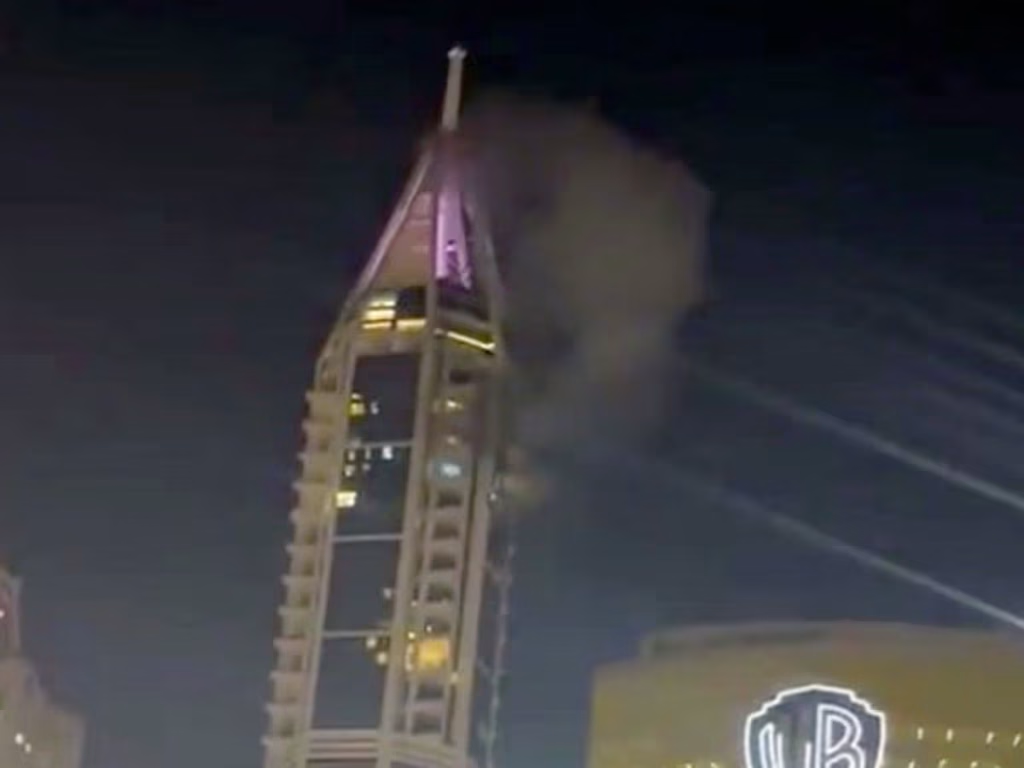
Some of this debris struck the façade of a residential tower in Dubai Marina, one of the city’s most prestigious waterfront districts. Authorities described the damage to the building as minor and confirmed that no residents inside the tower were injured.
However, in a separate but related incident, debris fell onto a vehicle in the Al Barsha area of Dubai. The driver of the vehicle was killed instantly, making him the only confirmed fatality linked to the event.
Officials stated that the debris resulted from a successful interception of incoming aerial threats targeting the region. Although the defense system prevented direct strikes, falling fragments posed a secondary risk to people on the ground.
The Tower at the Center of the Incident
The building that was struck by debris is located in Dubai Marina, a district famous for luxury apartments, high-rise towers, and waterfront attractions.
One of the prominent buildings in this area is 23 Marina, a massive residential skyscraper that forms part of Dubai’s iconic skyline. The tower is known for its luxury residences and breathtaking views of the Persian Gulf.
Dubai Marina itself is one of the most densely developed high-rise districts in the world. The area includes numerous residential towers, hotels, and tourist attractions. It is also home to well-known skyscrapers such as the The Marina Torch, which once held the record as the tallest residential building in the world when it opened in 2011.
Because of the concentration of high-rise structures and population density, any falling debris in such areas can pose a serious safety risk.
What Caused the Falling Debris?
The debris originated from aerial interception operations carried out by the UAE’s air defense systems. According to authorities, the system successfully destroyed incoming missiles and drones before they could reach their intended targets.
However, when missiles or drones are intercepted mid-air, the resulting fragments can scatter and fall back to the ground. These fragments can include metal pieces, fuel components, or parts of the interceptor missile itself.
Military experts explain that interception systems are designed primarily to neutralize threats before impact. While they significantly reduce damage, they cannot completely eliminate the risk of falling debris.
This risk becomes particularly serious in densely populated cities like Dubai, where skyscrapers, highways, and residential areas lie close together.
Regional Context: Rising Tensions in the Middle East
The incident did not occur in isolation. It took place during a period of escalating tensions in the Middle East involving Iran, the United States, and Israel.
Missiles and drones had been launched across the region in response to military strikes and political conflict. Some of these projectiles were aimed at locations hosting U.S. military assets in Gulf countries.
Several Gulf states, including the United Arab Emirates, activated air defense systems to intercept incoming threats. While most interceptions were successful, some fragments fell onto civilian areas.
In recent weeks, multiple incidents involving drones, missile interceptions, and debris falling in urban areas have been reported across the Gulf region.
Immediate Response from Authorities
Dubai authorities responded quickly to the incident. Emergency services were dispatched to the affected locations within minutes.
Officials inspected the tower in Dubai Marina and confirmed that the structural damage was limited to the exterior façade. Residents were reassured that the building remained safe and that there was no ongoing threat.
At the same time, police and medical teams arrived at the Al Barsha location where the vehicle had been struck. The driver was declared dead at the scene.
Authorities launched an investigation to determine the exact trajectory of the debris and evaluate safety measures for future incidents.
Public Reaction
The incident caused widespread concern among residents and tourists in Dubai.
Many people shared videos and images on social media showing smoke and damage on the building. Some residents initially feared that the tower had been directly attacked.
However, authorities quickly clarified that the damage was caused by falling debris rather than a direct strike.
Dubai residents expressed sympathy for the victim and relief that the situation was not more severe. In a densely populated city filled with high-rise buildings and busy highways, the consequences could have been far worse.
Risks of Missile Interceptions Over Cities
Military analysts note that missile interceptions over urban environments present a unique challenge.
While interception systems protect cities from direct impacts, they can create secondary hazards such as:
- Falling debris
- Shockwaves from explosions
- Fires caused by burning fragments
- Damage to buildings or vehicles
- In highly populated areas, even small pieces of debris can cause injury or death.
Governments must therefore balance the need for defense with the risk of unintended collateral damage.
Impact on Dubai’s Global Image
Dubai has long marketed itself as one of the safest cities in the world. Its reputation for stability has helped attract global businesses, tourists, and investors.
Events like this challenge that image, even if they are caused by regional conflicts beyond the city’s control.
However, experts note that Dubai’s rapid response and transparency helped prevent panic. Authorities communicated clearly with residents and confirmed that the threat had been contained.
The city’s strong infrastructure and emergency services also played an important role in managing the situation.
Security Measures Moving Forward
Following the incident, authorities may review several aspects of urban defense and safety, including:
- Improving tracking systems for falling debris
- Strengthening building safety standards
- Enhancing emergency response coordination
- Developing warning systems for residents
Urban planners and defense experts may also study the event to better understand how missile defense systems operate in densely populated environments.
Broader Implications for Urban Warfare
The Dubai incident highlights a growing challenge in modern warfare.
- Many conflicts now involve drones, missiles, and air defense systems operating over cities rather than battlefields.
- This creates new risks for civilians living in urban areas.
- Even successful defense operations can result in unintended consequences, such as falling debris or secondary damage.
As technology advances, governments will need to develop strategies to protect both national security and civilian safety.
Read More: Israel pounds Beirut in expansion of war; Trump demands say over new Iranian leader
FAQs
What happened in Dubai?
Debris from a missile interception fell onto a tower in Dubai Marina and onto a vehicle in the Al Barsha area. The debris damaged the building and killed the driver of the vehicle.
Was the tower directly attacked?
No. Authorities confirmed that the tower was not directly targeted. The damage was caused by falling debris from an intercepted projectile.
How many people were injured?
No injuries were reported in the tower incident. However, one man died when debris struck his vehicle.
Where did the debris come from?
The debris came from a missile or drone that was intercepted by UAE air defense systems.
Why are missile interceptions dangerous?
When a missile is destroyed mid-air, fragments can fall to the ground and potentially hit buildings, vehicles, or people.
Conclusion
The incident involving debris striking a landmark tower in Dubai highlights the unpredictable risks associated with modern conflict and missile defense operations.
- Although the air defense system successfully intercepted the incoming threat, falling debris caused damage and resulted in the tragic death of a civilian driver. The event served as a reminder that even advanced defense technologies cannot completely eliminate risks to people on the ground.
- Dubai authorities acted quickly to secure the affected areas, reassure residents, and investigate the circumstances surrounding the incident. Their response helped prevent panic and reinforced confidence in the city’s emergency management systems.
- In the broader context, the event underscores how regional conflicts can have unintended consequences for civilians, even in cities known for stability and safety. As urban centers continue to grow and military technology evolves, governments will need to find new ways to protect populations from both direct attacks and the indirect effects of defense operations.
- Despite the tragedy, Dubai remains one of the world’s most resilient and well-prepared cities. The lessons learned from this incident will likely contribute to stronger safety measures and improved strategies for protecting urban populations in the future.
