


Helping children reach their full growth potential is a common concern for parents. While genetics plays the biggest role in determining height, proper nutrition is essential for healthy growth and development. Alongside balanced meals and physical activity, certain vitamins and minerals support bone health, hormonal balance, and overall growth in children.
In this article, we’ll explore the best height growth vitamins for kids, how they work, recommended sources, and tips for safe supplementation.
Can Vitamins Help Kids Grow Taller?
Vitamins alone won’t make your child taller beyond their genetic potential, but they play a crucial role in growth processes, including:
- Bone formation and strength
- Hormone regulation
- Protein synthesis
- Cell division and development
Deficiencies in growth-supporting nutrients can slow development and compromise bone health.
Top Vitamins & Minerals for Height Growth
Here are the most important nutrients linked to healthy skeletal growth:
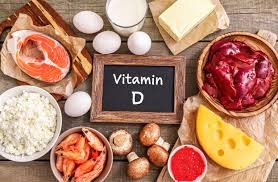
Vitamin D
Why it matters:
Vitamin D helps the body absorb calcium, a key building block for bones.
Sources:
- Sunlight exposure
- Fortified milk and cereals
- Eggs and fatty fish
Signs of deficiency:
Bone pain, weak muscles, slow growth
Calcium
Why it matters:
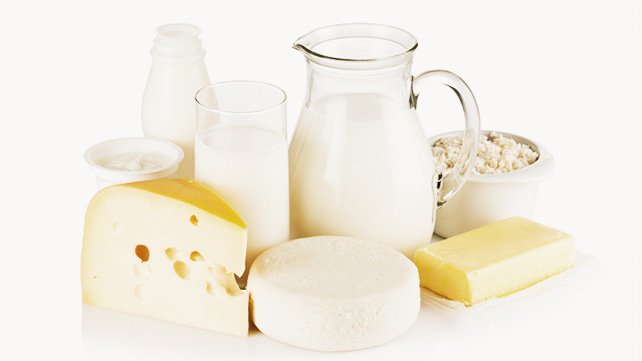
Calcium makes up the structure of bones and teeth.
Sources:
- Dairy (milk, yogurt, cheese)
- Leafy greens (spinach, kale)
- Fortified plant milks
- Almonds
Kids with low calcium intake may not reach optimal bone mass.
Vitamin A
Why it matters:
Supports bone growth and immune function.
Sources:
- Carrots, sweet potatoes
- Spinach, kale
- Mangoes, apricots
Vitamin A is fat-soluble, so pairing with a little healthy fat helps absorption.

Vitamin C
Why it matters:
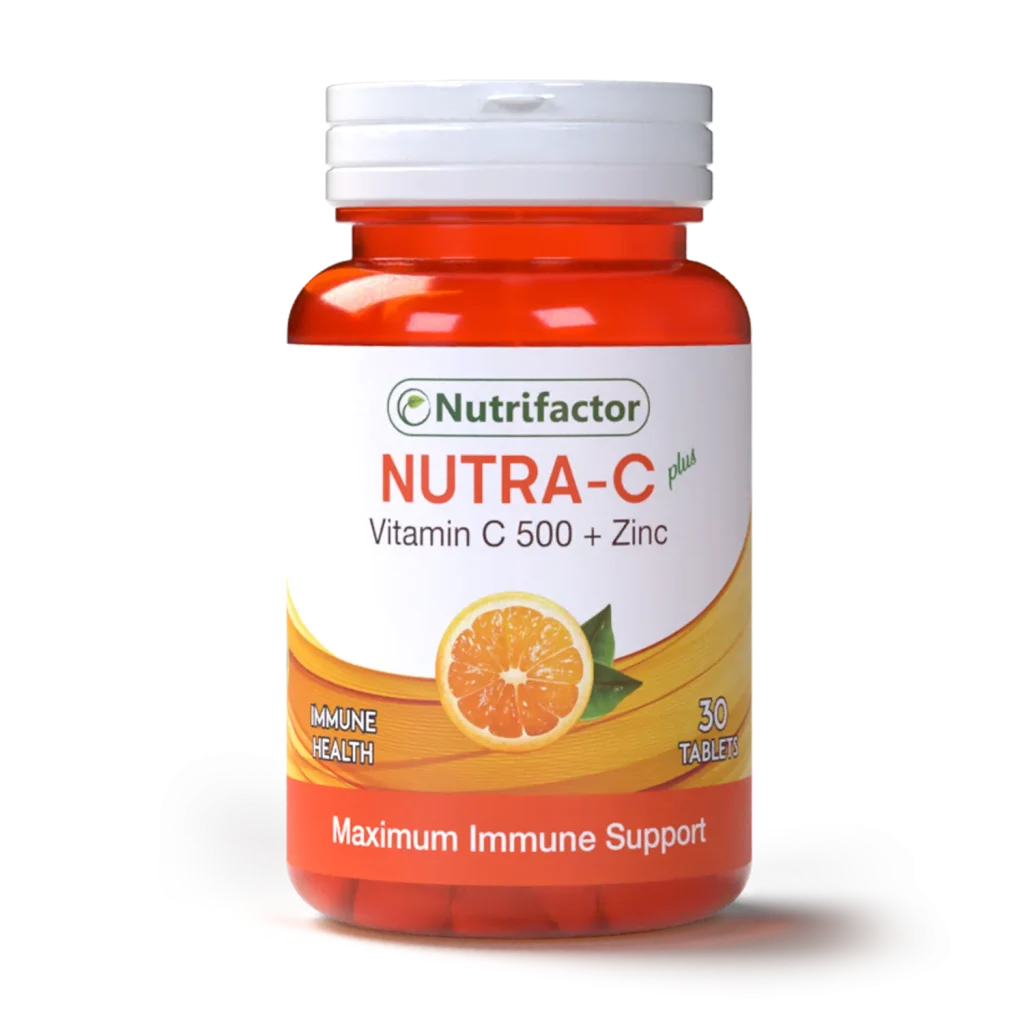
Supports collagen production, a protein that makes up growing bone and cartilage.
Sources:
Citrus fruits (oranges, lemons)
Strawberries, kiwi
Bell peppers
Vitamin C also supports immune health.
B Vitamins (Especially B6 and B12)
Why it matters:
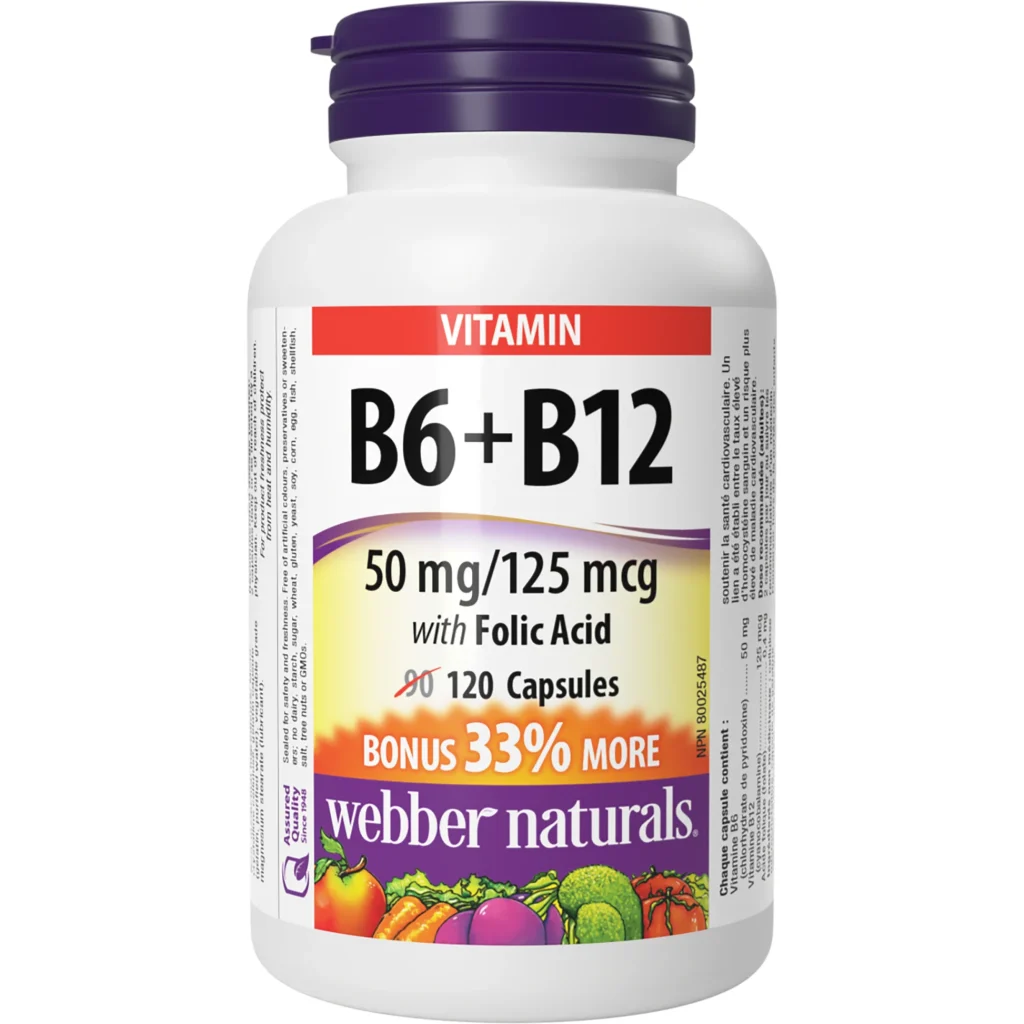
Help with energy metabolism and protein synthesis, crucial for growth.
Sources:
- Whole grains
- Eggs and milk
- Meat and fish
- Fortified cereals
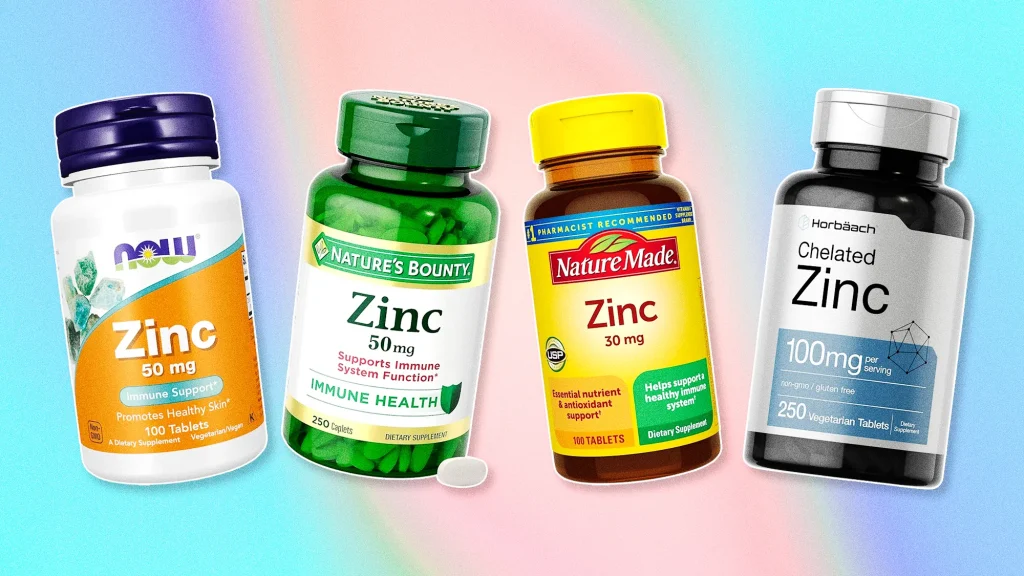
Zinc
Why it matters:
Zinc deficiency is associated with stunted growth in children.
Sources:
- Meat, poultry, seafood
- Beans
- Nuts and seeds
Should Your Child Take a Growth Supplement?
Most children get enough vitamins and minerals from a balanced diet. However, supplements may be helpful if:
- A child has a restricted diet (e.g., picky eating)
- There is a diagnosed deficiency
- A healthcare provider recommends supplementation
Before starting any supplement, always consult a pediatrician to avoid excessive doses.
Best Natural Food Sources for Growth
Encourage kids to enjoy a variety of nutrient-rich foods:
- Dairy and dairy alternatives: Provide calcium and vitamin D
- Lean proteins: Support muscle and bone development
- Fruits and vegetables: Provide vitamins A, C, and antioxidants
- Whole grains: Offer B vitamins and energy
- Nuts and seeds: Supply zinc and healthy fats
Healthy eating habits not only support height but also overall well-being.

Lifestyle Factors That Influence Growth
Balanced nutrition is just one part of the puzzle. These daily habits also matter:
Adequate Sleep
Growth hormone is released during deep sleep. Children need:
- Ages 3–5: ~10–13 hours
- Ages 6–12: ~9–12 hours
- Teens: ~8–10 hours
Regular Physical Activity
Activities like jumping, running, swimming, and stretching support bone density and muscle development.
Good Posture
Encourage kids to sit and stand tall. Poor posture can make them appear shorter.
What Doesn’t Increase Height
Parents should be cautious of products that make unrealistic claims, such as:
- Growth hormones without medical supervision
- Supplements promising “height in inches” overnight
- Pills labeled as “magic growth boosters.”
Real growth is gradual and requires a healthy foundation.
When to Talk to a Doctor
Seek medical advice if:
- Your child’s height is significantly below that of their peers
- Growth seems to slow unexpectedly
- There are signs of nutritional deficiencies
- There are underlying health concerns
A pediatrician can check growth charts, run tests, and recommend personalized guidance.
Read More: Best supplements for belly fat Loss
Final Thoughts
The best height growth vitamins for kids help support bone health, hormone function, and overall development, but they work best when combined with nutritious food, adequate sleep, and active play.
Remember: every child grows at their own pace. Focus on healthy habits, balanced nutrition, and regular check-ups to help your child reach their full potential.
If you’d like, I can also share a sample growth-supporting meal plan for kids!
