

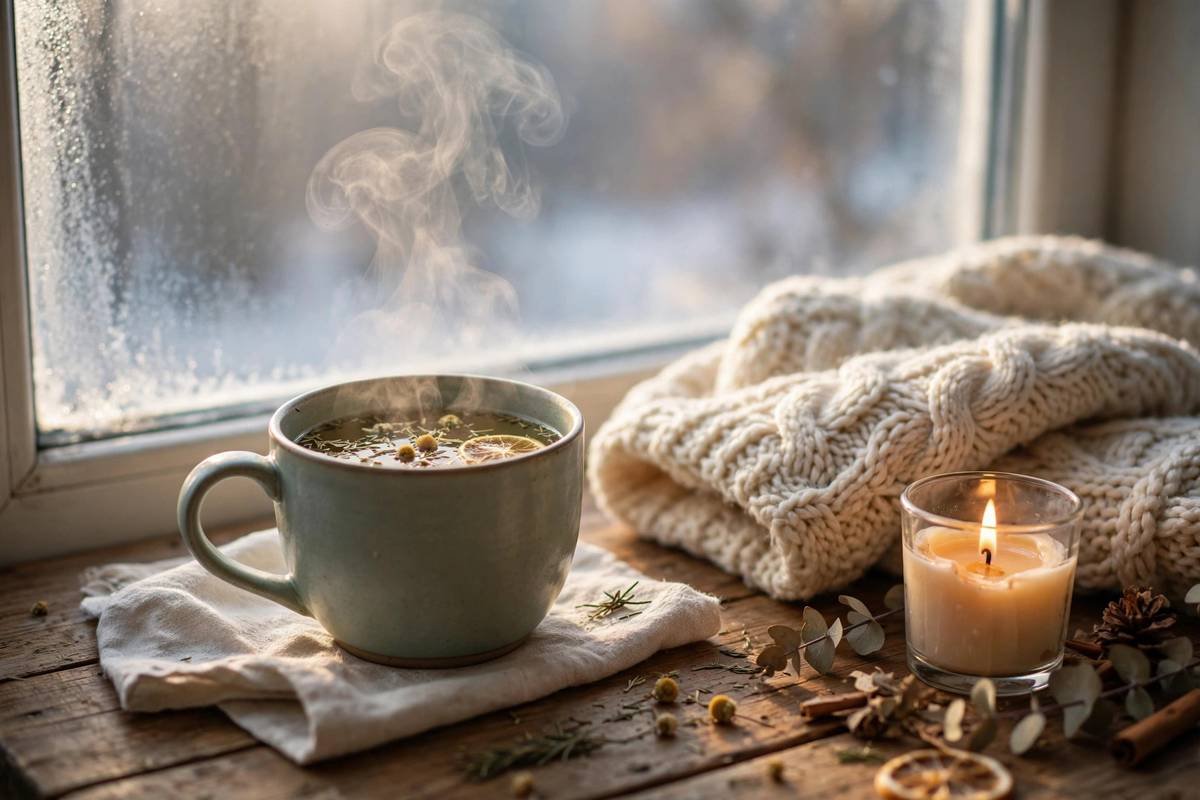
Winter Wellness Routine 2026: Skincare, Nutrition and Simple Habits for the Cold Season
As the days shrink and the cold settles in, your body quietly changes its rules. Skin dries out faster, energy dips earlier, appetites shift, and for many people, mood takes a hit. A deliberate winter wellness routine 2026 is not about overhauling your life — it is about small, consistent habits that keep you comfortable, healthy, and steady through the coldest months of the year.
The good news: winter wellness does not require expensive products or a complete lifestyle overhaul. Dermatologists, sleep scientists, and nutrition experts largely agree on the basics — protect your skin barrier, eat balanced seasonal meals, guard your sleep, and get light and movement every day. This guide turns that expert consensus into a practical, step-by-step routine you can start today. And since winter nights can quietly wreck your rest, it pairs well with the science-backed sleep habits that actually work in 2026.
What a Winter Wellness Routine Covers in 2026
A complete winter wellness routine 2026 touches five areas — and each one interacts with the others:
- Skin: Cold air holds less moisture, and indoor heating strips even more. Without a plan, the skin barrier cracks, itches, and flakes.
- Nutrition: Shorter days and holiday food can tilt eating toward heavy, low-nutrient meals. Seasonal, balanced eating keeps energy stable.
- Mood: Reduced daylight affects circadian rhythms. Recognizing the winter blues early — and knowing when it is something more — matters.
- Sleep: Longer nights should mean better sleep, but late screens, late meals, and overheated bedrooms get in the way.
- Movement: Cold weather shrinks activity. The body still needs it — joints stiffen, circulation slows, and mood follows.
The rest of this guide builds a simple routine around those five pillars, one that fits a normal schedule rather than demanding a new one. Think of your winter wellness routine 2026 as seasonal maintenance: small upgrades, in the right order, compounding quietly over the cold months.
Winter Wellness Routine 2026: Protect Your Skin First
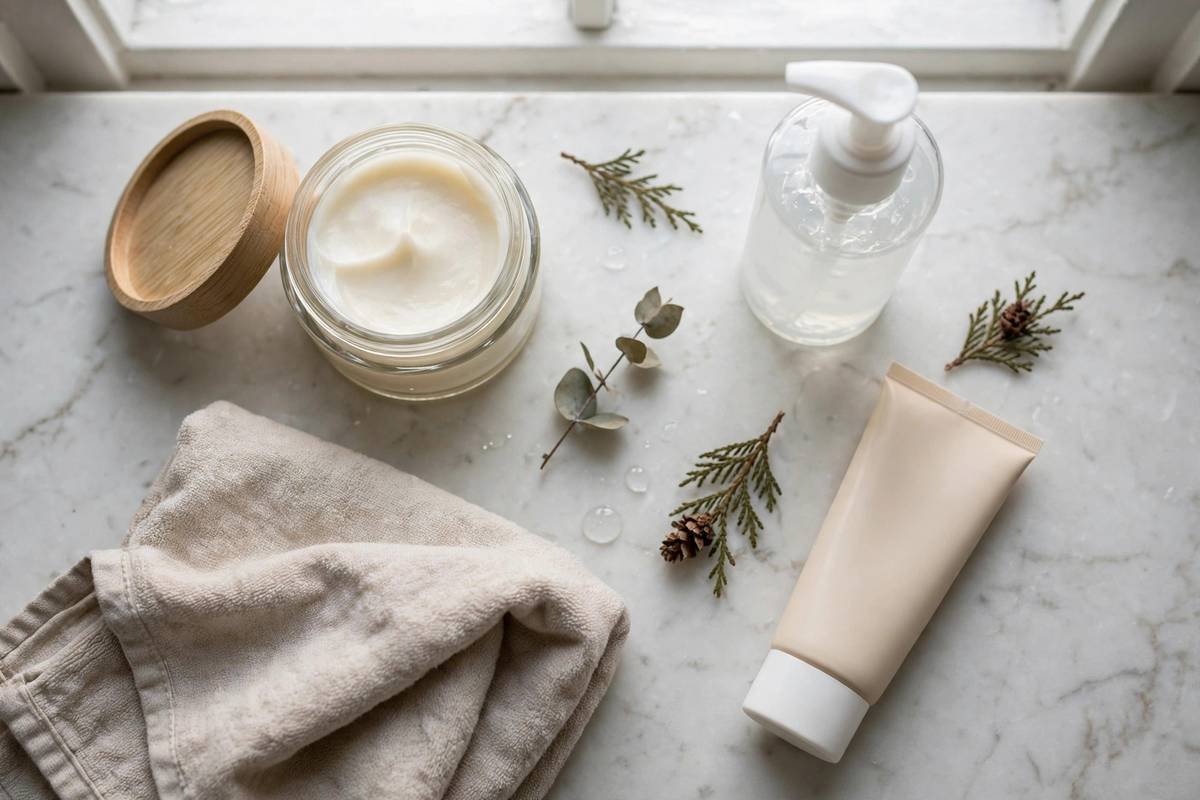
Skin is where winter hits first. Cold outdoor air has very low humidity, and heated indoor air is often even drier — together they pull moisture straight out of your skin. Dermatologists advise the same core defenses every winter: short lukewarm showers instead of hot ones, moisturizing within a few minutes of washing, and running a humidifier in the bedroom when indoor air feels parched.
Your winter skincare does not need to be complicated. A gentle routine, morning and night, covers most people:
| Step | Morning | Night |
|---|---|---|
| 1. Cleanse | Gentle, low-foam cleanser or lukewarm water rinse | Same gentle cleanser to remove the day |
| 2. Treat | Light hydrating serum (hyaluronic acid or glycerin) | Same serum, or a barrier-support product |
| 3. Moisturize | Cream moisturizer to lock in hydration | Richer cream or ointment for very dry skin |
| 4. Protect | Sunscreen — winter UV still damages skin, especially with snow glare | Lip balm and hand cream before bed |
A few details make the difference. Sunscreen is not just a summer product: UV rays reflect off snow and reach you on cloudy days too, so a daily SPF on exposed skin remains worth it. Lips and hands lose moisture fastest because their skin is thin — keep balm and cream where you will actually use them, like your coat pocket and desk. And if your skin stays red, cracked, or painfully itchy despite two weeks of consistent care, that is a dermatologist visit, not a product problem.
Winter Wellness Nutrition 2026: Eat for Energy and Immunity
Winter wellness products are often sold on claims about “immunity boosting” and detoxing. The honest version, straight from nutrition science: no single food, drink, or supplement guarantees you will avoid seasonal illness. What works is a consistently balanced diet — and winter offers plenty of it.
Build your plate around these cold-season staples:
- Seasonal vegetables and fruit: Root vegetables, squash, citrus, and leafy greens deliver fiber, vitamin C, and the variety your gut needs.
- Protein at every meal: Pulses, eggs, fish, poultry, and dairy help maintain muscle and keep you full — which cuts down on the heavy snacking winter invites.
- Whole grains: Oats, brown rice, and whole-wheat breads release energy slowly, smoothing out the afternoon slump.
- Healthy fats: Nuts, seeds, and olive oil support satiety and skin health from the inside.
- Warm, hydrating foods: Soups, stews, and herbal teas count toward your fluid intake, which matters because people drink less water in cold weather.
On vitamin D: your skin makes it from sunlight, but winter sun is weaker at higher latitudes and most people spend more time indoors. Rather than guessing, talk to your doctor about whether a blood test or supplement makes sense for you — especially if you are rarely outdoors in daylight. Keep sugar and alcohol moderate; both disrupt sleep, and sleep is the foundation everything else rests on. That is why the winter wellness routine 2026 approach to eating emphasizes consistency over perfection: steady, balanced meals beat any short-lived cleanse.
Beating the Winter Blues: Mood, Light and SAD
Feeling lower-energy in winter is common — shorter days genuinely shift your circadian rhythm. But there is a line between the winter blues and seasonal affective disorder (SAD), a recognized pattern of depressive symptoms that return at the same time each year. In the United States, SAD affects an estimated 1.4 percent of the population in sunny Florida but 9.9 percent in Alaska — a stark reminder that light exposure matters.
The most studied treatment is bright light therapy: sitting 30–60 centimeters in front of a 10,000-lux lightbox for 30–60 minutes in the morning, eyes open but not staring at the light. In the landmark 2006 Can-SAD trial, light therapy and the antidepressant fluoxetine were both 67 percent effective against SAD, with light therapy acting faster — many patients improved within the first week. Dawn simulation lamps, which gradually brighten your bedroom before your alarm, have shown even stronger responses in some studies.
Building light exposure into your winter wellness routine 2026 is the single most effective mood safeguard you can adopt this season.
- Get daylight before noon. A 15–30 minute walk in natural light is the cheapest mood intervention available.
- Move daily. Research consistently shows exercise combined with light exposure eases seasonal low mood — even brisk indoor activity counts.
- Stay connected. Winter isolation amplifies low mood; schedule social contact the way you schedule work.
- Know the red flags. Persistent low mood, loss of interest in usual activities, major sleep or appetite changes, or difficulty functioning for more than two weeks warrant a conversation with a healthcare professional.
Sleep and Movement: The Quiet Engines of Winter Wellness
Winter should be the easiest season for sleep — longer nights, cooler bedrooms — yet many people sleep worse. The culprits are familiar: screens late into the evening, heavy late dinners, and overheated bedrooms that fight the body’s natural temperature drop before sleep.
Adults need 7–9 hours of sleep a night, according to the National Sleep Foundation, and winter is the season to actually get them. Keep the bedroom cool (around 18°C / 65°F), dim the lights an hour before bed, and hold a consistent wake time — even on weekends. Morning light exposure doubles as a sleep aid, because it anchors your circadian clock for the night ahead.
On movement, the World Health Organization’s benchmark still stands: at least 150 minutes of moderate-intensity aerobic activity per week, plus muscle-strengthening on two or more days. Winter just changes the venue. Indoor options — bodyweight circuits, yoga, dance, stair climbs, mall walking — all count. The research on SAD is explicit that exercise amplifies the benefits of light therapy, so pairing a morning walk with daylight is the single highest-value habit in this entire guide. Make sleep hygiene and daily movement non-negotiable parts of your winter wellness routine 2026.
Your 7-Day Winter Wellness Routine Kickoff
Do not try to adopt everything at once. This plan turns the winter wellness routine 2026 framework above into daily action — one layer at a time:
Day 1: Fix your sleep setup
Set a consistent wake time, cool the bedroom, and charge your phone outside the bedroom tonight.
Day 2: Build the skincare base
Switch to a gentle cleanser and a real moisturizer. Put sunscreen by the door so you remember it.
Day 3: Add morning light
Take a 20-minute walk before noon, or set up a lightbox if daylight is scarce where you live.
Day 4: Stock winter food
Grocery-run for root vegetables, citrus, oats, pulses, nuts, and soup ingredients. Plan three simple dinners.
Day 5: Schedule movement
Block three 30-minute activity sessions in your calendar for the coming week. Treat them as appointments.
Day 6: Warm up the home
Clean bedding, set up the humidifier, and create one cozy corner — a chair, a blanket, a lamp — for reading and rest.
Day 7: Check in with yourself
Review the week. Keep what felt easy, drop what felt forced, and repeat. A routine only works if it survives contact with your real life.
5 Winter Wellness Mistakes to Avoid
These are the traps that most often derail a winter wellness routine 2026:
- Hot showers every morning. They feel great and strip your skin’s natural oils. Lukewarm and shorter is the dermatologist-approved trade.
- Skipping sunscreen. Winter UV, especially reflected off snow or sand, still ages and damages skin.
- Chasing “immunity boosters” instead of basics. Expensive powders cannot replace sleep, balanced food, and daylight.
- Hibernating indoors for weeks. Total stillness tanks energy, mood, and circulation. Even short daily movement changes the equation.
- Ignoring persistent low mood. Two weeks of real symptoms is not “just winter” — talk to a professional.
For readers who want the clinical background on seasonal mood patterns, the Seasonal affective disorder article on Wikipedia covers the symptoms, light-therapy evidence, and current medical understanding in detail.
Winter Wellness Routine 2026 FAQs
What is the best winter wellness routine for beginners?
Start with the highest-impact basics: consistent sleep, 20 minutes of morning daylight, a gentle skincare routine, and balanced seasonal meals. Add movement and a humidifier next. Most people feel the difference from just these within two weeks.
How do I stop my skin from drying out in winter?
Use lukewarm (not hot) water, switch to a gentle cleanser, moisturize within minutes of washing, and run a humidifier in dry indoor air. Do not skip sunscreen — winter UV still damages skin.
Does light therapy really work for the winter blues?
For diagnosed seasonal affective disorder, yes — clinical trials show bright light therapy (10,000 lux, 30–60 minutes each morning) is as effective as antidepressant medication for many patients. For milder winter blues, regular daylight exposure and exercise help substantially.
Should I take vitamin D in winter?
Many people get less vitamin D in winter because sunlight is weaker and outdoor time shrinks. Whether you personally need a supplement depends on your levels and diet — ask your doctor rather than guessing, and do not treat it as a cure-all.
How much exercise do I need in winter?
The same as any season: at least 150 minutes of moderate activity per week, per the World Health Organization. In winter, shift it indoors or bundle up for short outdoor sessions — consistency matters more than the venue.
Conclusion
A winter wellness routine 2026 is not a luxury or a trend — it is maintenance for the season your body finds hardest. The best winter wellness routine 2026 is simply the one you will actually follow through March.
Start this week with the 7-day kickoff above, and adjust as you go. Winter is long, but it is also the season that rewards preparation most. Build the habits now, and by spring you will wonder why you ever just endured the cold months instead of enjoying them.
