

Better Sleep in 2026: Science-Backed Habits That Actually Work
If you spend your nights staring at the ceiling and your mornings reaching for a third cup of coffee, you are far from alone. Roughly one in three adults does not get enough sleep on a regular basis, and the consequences go well beyond feeling groggy. Poor sleep quietly disrupts your weight, mood, and metabolism, weakens your immune system, and chips away at your focus, patience, and long-term health. The good news is that you do not need expensive gadgets, prescription pills, or a perfect schedule to fix it. The science of sleep hygiene in 2026 is clearer than ever: a handful of small, consistent habits can cut the time it takes you to fall asleep nearly in half and dramatically improve how rested you feel. This guide walks through the habits that matter most, ranked by impact, so you can start tonight.
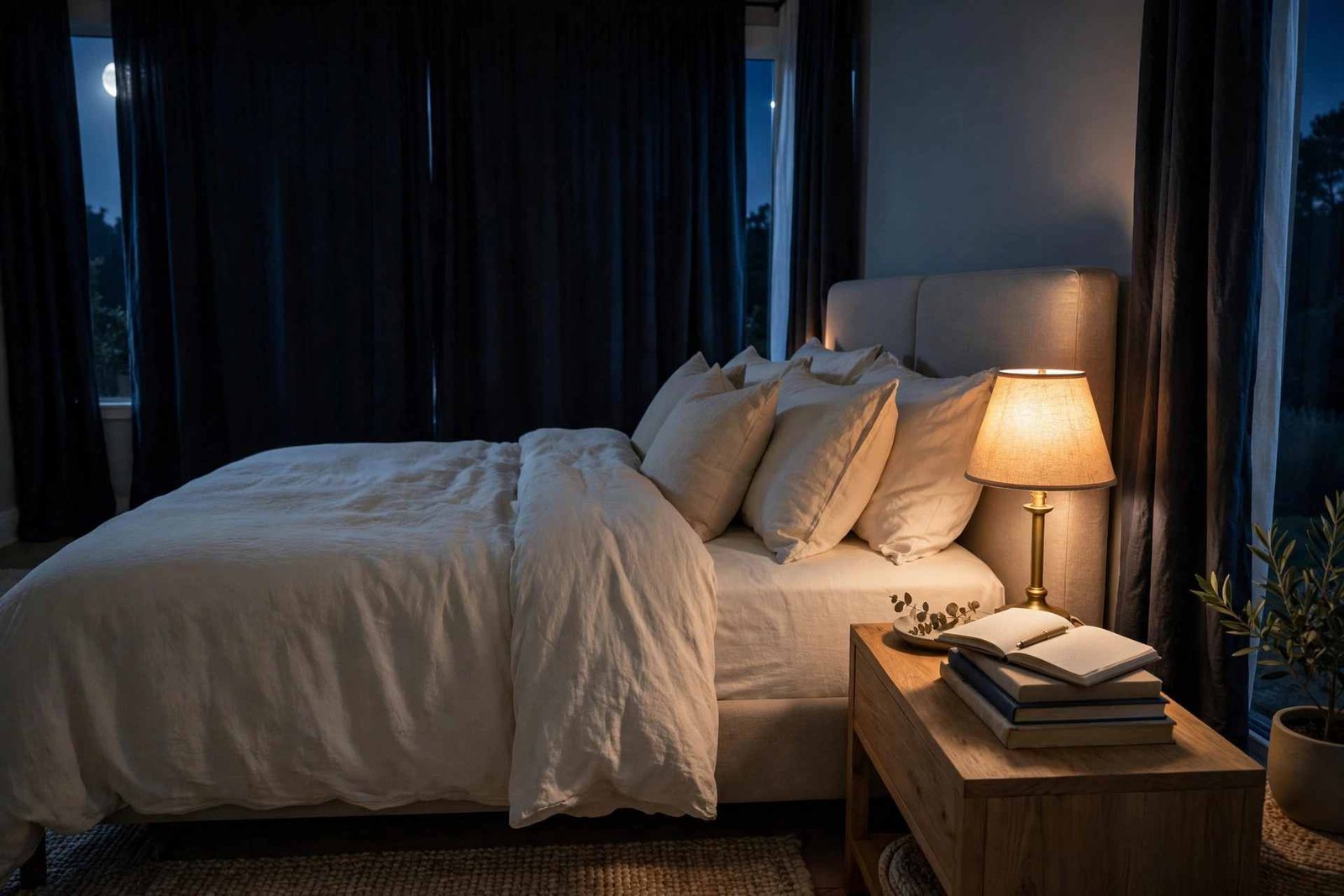
Why Sleep Quality Matters More Than Ever in 2026
We live in a world engineered to keep us awake. Blue light exposure from screens has multiplied over the past decade, caffeine hides in everything from sparkling water to pre-workout drinks, and the average bedtime keeps creeping later. Meanwhile, our bodies still run on ancient biological clocks that expect bright days, dark nights, and regular rhythms.
Sleep researchers now agree on something important: consistency matters more than total hours. A person who sleeps seven hours on a rock-steady schedule typically feels and functions better than someone who gets eight erratic hours. That is because your circadian rhythm — the internal clock that times melatonin release, body temperature, hunger, and alertness — thrives on regularity. When you protect that rhythm, sleep quality improves almost automatically.
Read More: 12 Common Weight-Loss Mistakes and How to Avoid Them
Poor sleep is one of the most overlooked drivers of weight gain and stalled fitness progress, so it pays to know the other quiet habits that work against your goals. With that in mind, here are the seven habits that deliver the biggest results, in order of impact.
Sleep Hygiene Habit 1: Wake Up at the Same Time Every Day
If you change only one thing, make it this. A fixed wake time — kept seven days a week, including weekends — is the single strongest anchor for your circadian rhythm. When you wake at the same time, everything else in your biology falls into line: melatonin starts rising at a predictable hour in the evening, sleep pressure builds at the right pace, and you feel sleepy when you actually want to be.
- Set a non-negotiable wake time and keep it within 30 minutes every single day. Yes, even on weekends and holidays.
- Resist the weekend catch-up trap. Sleeping in by two or three hours on Saturday is like giving yourself jet lag every week — researchers call it “social jet lag,” and it reliably worsens sleep quality.
- Use a bedtime alarm, not just a wake alarm. Set a reminder 60 minutes before your target bedtime so you actually start winding down.
- Give it two weeks. Your clock needs roughly 10–14 days of consistency to fully lock in. Most people notice the difference well before that.
Start With the Morning, Not the Night
Counterintuitively, the fastest way to fix bedtime is to fix your wake time first. Dragging your bedtime earlier rarely works on its own, because your body is not yet sleepy. But once a consistent wake time is in place, sleepiness arrives earlier on its own — usually within a week.
Sleep Hygiene Habit 2: Get Morning Sunlight Within 30 Minutes of Waking
Bright light in the morning is the most powerful signal you can give your circadian clock. Sunlight hitting your eyes — not through a window, but outdoors or in direct daylight — tells your brain to suppress melatonin, raise cortisol at the right time, and start the countdown to tonight’s sleepiness roughly 14–16 hours later.
- Aim for 10–15 minutes of outdoor light within half an hour of waking. A short walk is ideal; standing on a balcony or porch works too.
- On cloudy days, stay out longer. Even overcast daylight is far brighter than indoor lighting, so 20–30 minutes on gray days still does the job.
- Do not stare at the sun. Ordinary outdoor exposure without sunglasses is enough; just be outside and let daylight reach your eyes naturally.
Dim the Lights After Sunset
The evening half of the equation matters just as much. As bedtime approaches, dim overhead lights and switch to warm, low lamps. This gradual darkening lets melatonin rise naturally. If you work late under bright lights, consider dimmer bulbs in the rooms you use in the evening — it is one of the cheapest sleep upgrades available.
Sleep Hygiene Habit 3: Cut Caffeine by Noon
Caffeine has a half-life of roughly five to six hours, which means a 4 p.m. coffee is still half-strength at 10 p.m. Even if you fall asleep easily, late caffeine fragments your sleep, stealing deep sleep and leaving you less restored. Many people who “sleep fine” on late coffee are simply used to feeling under-recovered.
- Set a personal caffeine curfew of 12 p.m. Morning coffee is fine for most people; afternoon caffeine is where the trouble starts.
- Watch hidden sources. Caffeine lurks in energy drinks, pre-workout powders, chocolate, some teas, and even certain sparkling waters.
- Do not quit cold turkey if you are a heavy user. Taper down over a week to avoid withdrawal headaches that are worse than the problem.
Alcohol Is Not a Sleep Aid
A nightcap may make you drowsy, but alcohol reliably wrecks the second half of the night. It suppresses REM sleep, causes middle-of-the-night wake-ups as it wears off, and worsens snoring and sleep apnea. If you drink, keep it at least three hours before bed — and the less, the better for sleep quality.
Sleep Hygiene Habit 4: Make Your Bedroom Cool, Dark, and Quiet
Your bedroom environment is the fastest physical fix on this list. As your body prepares for sleep, its core temperature drops — and a cool, dark, quiet room helps that process along. Small environmental changes here

- Temperature: aim for 65–68°F (18–20°C). Most sleep experts land in this range. If you sleep hot, breathable bedding and a fan make a bigger difference than an expensive mattress.
- Darkness: block light completely. Blackout curtains or a comfortable sleep mask prevent streetlights, hallway glow, and early sunrise from fragmenting your sleep.
- Quiet: steady sound beats silence. A white noise machine, fan, or soft ambient sound masks the sudden noises — traffic, neighbors, plumbing — that trigger micro-wake-ups.
- Reserve the bed for sleep. Working, scrolling, or watching shows in bed trains your brain to associate it with wakefulness. Keep the bed sacred.
Sleep Hygiene Habit 5: Build a 30-Minute Wind-Down Routine
You cannot sprint straight from a stressful day into deep sleep. Your nervous system needs a runway. A consistent pre-sleep routine — the same calming sequence every night — teaches your brain that bedtime is coming, the same way a child learns that bath, book, and bed mean sleep.
Here is a simple 30-minute template you can adapt:
- Minute 0–10: Dim and disconnect. Lower the lights, put the phone on charge outside the bedroom (or at least face-down and silenced), and change into sleep clothes.
- Minute 10–20: Release the day. Write tomorrow’s top three tasks on paper, then jot a few lines in a journal or simply sit quietly. Getting worries out of your head and onto paper measurably reduces bedtime rumination.
- Minute 20–30: Relax the body. Stretch gently, take a warm shower, practice slow breathing (four counts in, six counts out), or read a physical book. Then lights out.
Keep It Boring on Purpose
The best wind-down routine is slightly dull. Exciting novels, intense shows, and heated conversations all spike alertness. Save the page-turners for the morning commute and keep your evenings deliberately low-key.
Sleep Hygiene Habit 6: Exercise Regularly — but Not Right Before Bed
Regular physical activity is one of the most reliable sleep improvers in the research literature. It reduces stress hormones, deepens slow-wave sleep, and helps regulate your circadian rhythm. Both moderate aerobic exercise and resistance training are linked to better sleep outcomes.
- Consistency beats intensity. A daily 30-minute walk does more for sleep than one exhausting weekend workout.
- Finish intense exercise at least 2–3 hours before bed. Vigorous late-night workouts raise core body temperature and adrenaline, which can delay sleep onset.
- Morning or afternoon workouts are ideal for sleep, since they reinforce your daytime alertness signal.
- Gentle evening movement is fine. Easy yoga, stretching, or a slow stroll after dinner will not hurt — and often help.
Can Technology Actually Help You Sleep Better in 2026?
Screens get most of the blame for modern sleep problems, and the criticism is largely fair: bright, stimulating content close to bedtime delays melatonin and keeps the mind racing. But technology is not the enemy — careless use of it is. Used intentionally, a few tools genuinely help.
- Use wind-down modes. Most phones now offer scheduled bedtime modes that dim the screen, silence notifications, and shift to warmer colors automatically after sunset. Turn them on.
- Track patterns, not scores. Wearables and sleep apps are useful for spotting trends — like “I sleep worse on days I drink coffee after 2 p.m.” — but obsessing over a nightly sleep score can create anxiety that harms sleep. Watch the patterns, ignore the grade.
- Keep the phone out of the bedroom. This single change eliminates late-night scrolling, blue light, and the temptation to check “one more thing.” A basic alarm clock costs less than dinner.
Sleep Hygiene Mistakes to Avoid
Even people with good intentions sabotage their sleep with a few common errors. Watch out for these:
- Napping too long or too late. Short naps (10–20 minutes before 3 p.m.) can refresh you. Long or late naps steal sleep pressure from the night.
- Clock-watching at 3 a.m. Seeing the time spikes anxiety about lost sleep. Turn the clock away and trust your alarm.
- Lying awake for hours. If you have been awake for 20+ minutes, get up, go to a dim room, and do something calm until you feel drowsy. The bed should mean sleep, not frustration.
- Weekend “recovery” binges. You cannot repay a week’s sleep debt in one long Sunday lie-in — and the irregular schedule makes the next week worse.
- Reaching for melatonin first. Melatonin is a timing signal, not a sedative, and over-the-counter doses are often far higher than what research supports. Fix the habits first; talk to a doctor before supplementing regularly.
The 7 Better Sleep Habits at a Glance
| Habit | What to Do | Best Timing |
|---|---|---|
| Consistent wake time | Same wake time ±30 min, 7 days a week | Every morning |
| Morning sunlight | 10–15 min of outdoor daylight | Within 30 min of waking |
| Caffeine curfew | No caffeine after 12 p.m. | All day |
| Cool, dark, quiet room | 65–68°F, blackout, steady sound | All night |
| Wind-down routine | Dim, disconnect, journal, relax | 30 min before bed |
| Regular exercise | 30 min moderate activity | Morning or afternoon |
| Screen boundaries | Wind-down mode, phone out of bedroom | Evening |
The clinical term for everything in this guide is sleep hygiene — the set of behavioral and environmental practices that promote healthy, restorative sleep.
Better Sleep Habits: Common Questions
How long does it take for sleep hygiene habits to work?
Most people notice improvement within one to two weeks of consistent changes. Locking in a regular wake time and morning sunlight usually produces the fastest results; full circadian adjustment can take up to a month.
How much sleep do adults actually need?
Most adults need 7–9 hours per night, according to major sleep organizations. But regularity and quality matter as much as quantity — seven consistent, uninterrupted hours beat nine fragmented ones.
Is it bad to use my phone before bed?
Using a phone in the hour before bed is linked to later sleep onset and lighter sleep, mainly due to bright light and stimulating content. If you must use it, enable wind-down mode, keep brightness low, and stop at least 30 minutes before lights out.
Does napping ruin nighttime sleep?
Not necessarily. A short 10–20 minute nap before mid-afternoon can boost alertness without harming nighttime sleep. Long naps or naps after 3 p.m. are the ones that steal sleep pressure from the night.
Should I take melatonin for better sleep?
Melatonin can help with timing issues like jet lag or shift work, but it is not a general sleep aid and many over-the-counter products contain far more than the studied doses. Improving your habits first is safer and more effective for most people; talk to a clinician if sleep problems persist.
When should I see a doctor about sleep problems?
If you have tried consistent sleep hygiene for a month and still struggle to fall asleep, stay asleep, or feel rested — or if you snore loudly, gasp at night, or feel excessively sleepy during the day — see a doctor. Those can be signs of sleep apnea or other treatable conditions.
Conclusion: Better Sleep Starts Tonight
Better sleep in 2026 does not require a new mattress, a supplement stack, or a perfect life. It requires a steady wake time, morning daylight, a caffeine curfew, a cool dark bedroom, and a calm wind-down routine — repeated daily until your body trusts the pattern. Start with the habit that feels easiest, add the next one once it sticks, and give your circadian rhythm the two weeks it needs to lock in. Your energy, mood, focus, and long-term health will thank you every single morning.
