


You’ve cut carbs, ditched alcohol, downloaded a calorie-tracking app, and committed to the gym. Yet the scale barely moves — or worse, it drops briefly and then creeps back up.
If this sounds familiar, you’re not alone.
Weight loss is rarely just about “eating less and moving more.” Research consistently shows that sustainable fat loss depends on a combination of nutrition quality, adequate energy intake, sleep, stress management, resistance training, gut health, and behavioural psychology.
Below are 12 of the most common weight-loss mistakes, why they happen, what the science says, and how to fix them for long-term results.
You’re Eating Too Little
It sounds counterintuitive, but drastically slashing calories can stall fat loss.
When calorie intake drops too low, the body activates survival mechanisms:
- Metabolism slows to conserve energy
- Hunger hormones increase
- Energy levels decline
- Muscle mass is lost
Severe restriction can reduce metabolic rate by up to 20–25%. This phenomenon — sometimes referred to as “adaptive thermogenesis” is your body’s way of protecting itself from perceived starvation.
Over time, extreme dieting often leads to rebound weight gain. Studies suggest that a large percentage of dieters regain the weight they lose sometimes more.
How to Avoid It
- Aim for a moderate calorie deficit (300–500 calories below maintenance).
- Focus on consistency rather than speed.
- Prioritise adequate protein and resistance training to preserve muscle mass.
Slow fat loss is far more sustainable and metabolically safer.
You’re Not Eating Enough Protein
Protein is the most satiating macronutrient. It:
- Reduces hunger hormones (like ghrelin)
- Increases fullness hormones (such as GLP-1)
- Requires more energy to digest (higher thermic effect)
- Preserves muscle during weight loss
If you’re eating low-protein meals (for example, salad without a protein source), hunger is likely to return quickly leading to snacking and calorie creep.
How to Avoid It
Aim for 20–30g of protein per meal. Good options include:
- Chicken, turkey, fish
- Eggs
- Greek yogurt
- Cottage cheese
- Tofu or tempeh
- Lentils and beans
Protein helps you stay fuller longer and supports a higher resting metabolic rate.
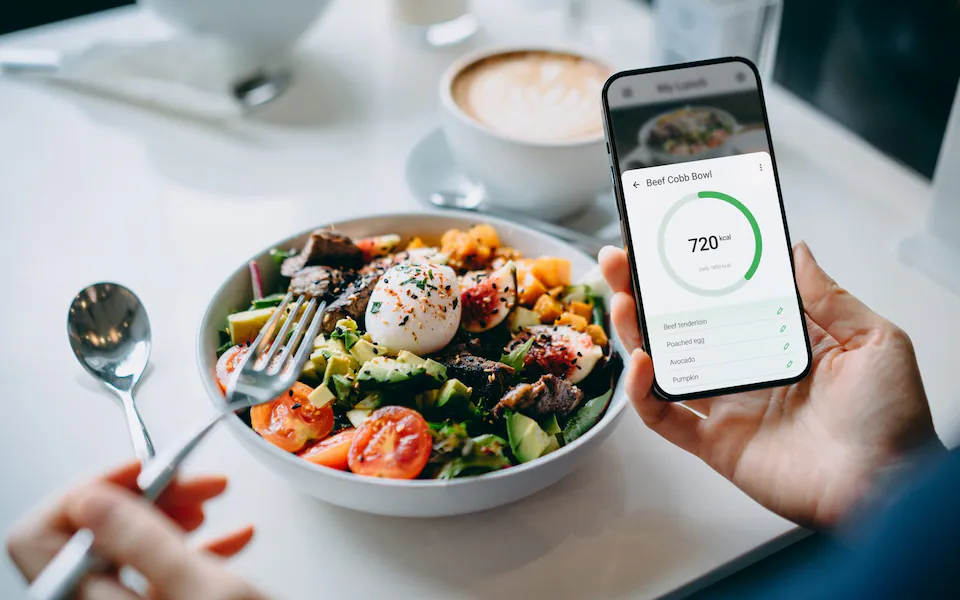
You’re Not Getting Enough Fibre
Most adults consume far less than the recommended 30g of fibre per day.
Fibre:
- Slows digestion
- Promotes fullness
- Supports gut health
- Stabilises blood sugar
High-fibre diets are consistently associated with healthier body weight and reduced long-term weight gain.
Low-carb dieting often removes major fibre sources (wholegrains, pulses, fruit), which can increase hunger and reduce satiety.
How to Avoid It
- Replace refined grains with whole-grain options
- Add beans or lentils to meals
- Include vegetables at every meal
- Eat fruit with the skin on
- Add seeds or nuts to yogurt and salads
Aim for gradual increases to avoid digestive discomfort.
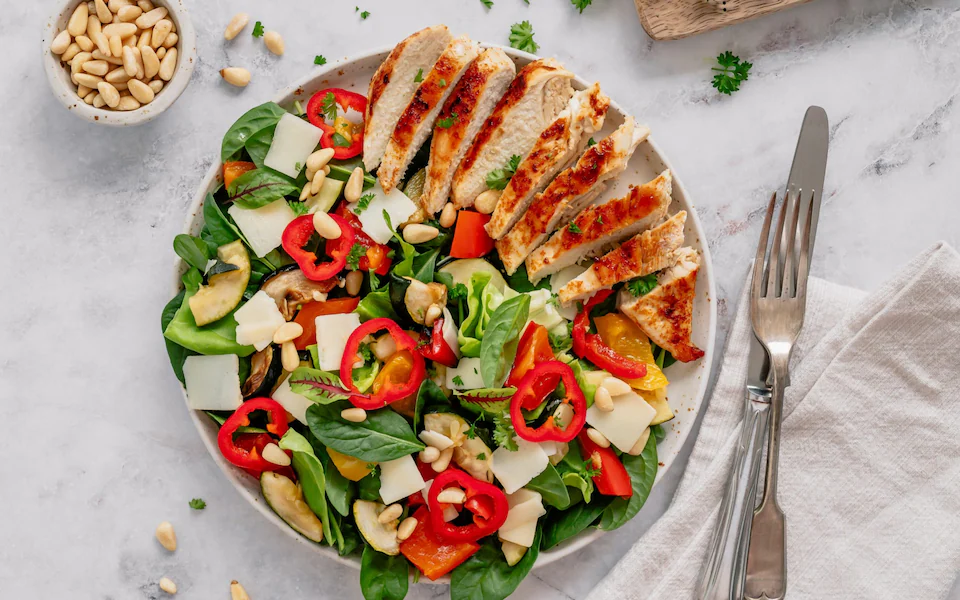
You’re Forgetting “Hidden Calories”
A splash of olive oil. A handful of nuts. A biscuit at the office. Finishing your child’s leftovers.
Small extras can quietly add hundreds of calories per day.
Research shows most people underestimate intake by 20–30%.
How to Avoid It
- Track intake honestly (even condiments and drinks)
- Measure calorie-dense foods like oils, nut butters, and cereals
- Be mindful of grazing
Awareness alone often improves results.
You’re Drinking Your Calories
Liquid calories don’t trigger fullness in the same way solid food does.
Common culprits include:
- Sugary coffees
- Fruit juices
- Smoothies
- Alcohol
- Sweetened teas
A daily large latte or evening glass of wine can add several hundred calories per week.
How to Avoid It
- Choose black coffee or reduce milk/syrups
- Opt for sparkling water or sugar-free alternatives
- Dilute juice
- Be mindful of alcohol frequency
Liquid calories are easy to overlook but powerful to adjust.
You’re Doing Cardio But No Strength Training
Cardio burns calories during exercise. Strength training builds muscle — which burns calories all day.
Without resistance training, dieting often leads to muscle loss, slowing metabolism and making long-term maintenance harder.
How to Avoid It
Incorporate strength training at least twice weekly:
- Weight lifting
- Resistance bands
- Bodyweight exercises (squats, push-ups, lunges)
Muscle is your metabolic insurance policy.
You’re a “Weekday Dieter”
Strict Monday-Friday discipline followed by relaxed weekends can erase your weekly calorie deficit.
Brunches, takeaways, and drinks quickly add up.
Two high-calorie days can undo five modest-deficit days.
How to Avoid It
- Think weekly calories, not daily extremes
- Keep weekends within 10–15% of weekday intake
- Plan indulgences rather than letting them happen impulsively
Consistency beats perfection.
You’re Timing Meals Poorly
Some forms of intermittent fasting work well, but skipping early meals and eating late at night may disrupt metabolic rhythms.
Insulin sensitivity tends to be stronger earlier in the day. Late-night eating is associated with poorer glucose control and fat metabolism.
How to Avoid It
- Eat within a consistent daily window
- Avoid large late-night meals
- Consider earlier dinner times
Circadian rhythm matters more than many people realise.
Your Portions Are Too Large
Even healthy foods can stall progress if portions are oversized.
Commonly misjudged foods:
- Pasta
- Rice
- Cereal
- Nuts
- Cheese
How to Avoid It
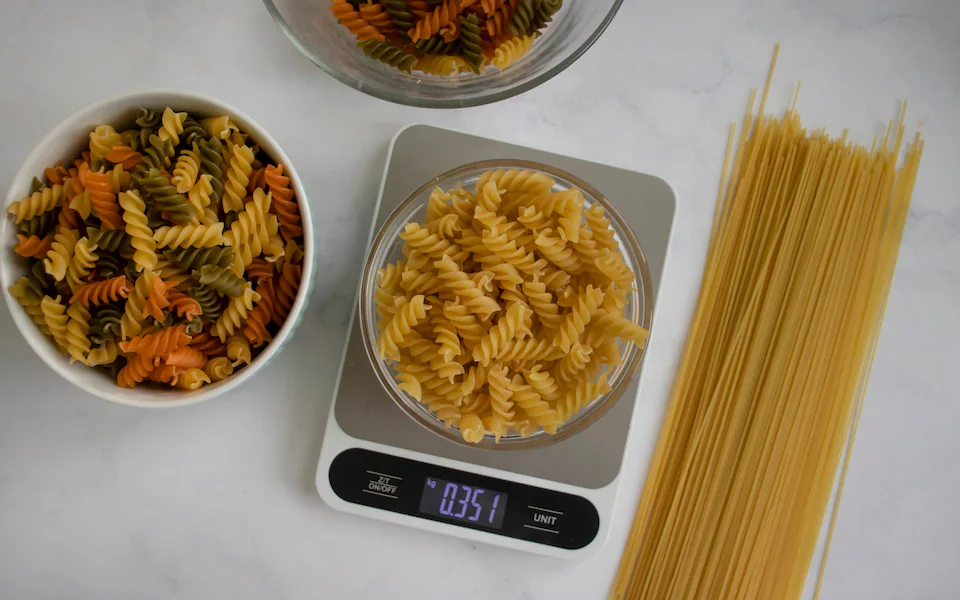
Weigh portions temporarily to retrain your eye:
- Pasta (dry): 65–75g
- Rice (dry): 50–75g
- Oats: 40g
- Nuts: 20–30g
- Cheese: matchbox-sized portion
Portion awareness supports sustainable calorie control.
You’re Not Sleeping Enough
Sleep directly affects appetite regulation.
Poor sleep:
- Raises ghrelin (hunger hormone)
- Lowers leptin (satiety hormone)
- Impairs insulin sensitivity
- Increases cravings for high-carb foods
Even two nights of restricted sleep can significantly increase hunger.
How to Avoid It
- Aim for 7–9 hours per night
- Maintain consistent sleep/wake times
- Limit screens before bed
- Avoid heavy late-night meals
Fat loss is harder without adequate rest.
You’re Ignoring Gut Health
Your gut microbiome influences:
- Nutrient absorption
- Hunger signalling
- Inflammation
- Energy extraction from food
Restrictive crash diets may reduce microbial diversity — potentially affecting long-term weight regulation.
How to Avoid It
- Eat a wide variety of plant foods
- Include fermented foods (live yogurt, kefir, sauerkraut)
- Avoid extreme elimination unless medically necessary
Diversity supports metabolic resilience.
You’re Relying on Willpower Alone
Willpower is finite. Habits are powerful.
Much of eating behaviour is automatically driven by stress, environment, and routine.
Relying purely on discipline often leads to burnout.
How to Avoid It
- Identify emotional eating triggers
- Change environment (don’t keep trigger foods visible)
- Reframe setbacks as temporary
- Build repeatable systems instead of motivation
Sustainable change is psychological as much as nutritional.
Read More: Coffee reduces cancer risk, research suggests
FAQs
How fast should I lose weight safely?
A rate of 0.5–1% of body weight per week is considered sustainable for most people.
Do I need to cut carbs to lose weight?
No. Fat loss depends on calorie balance and diet quality. Whole-food carbohydrates can be part of a healthy weight-loss plan.
Is intermittent fasting better than calorie counting?
Both can work. The best approach is the one you can sustain long term.
Should I avoid fats?
Healthy fats are important for hormones and satiety. Portion control matters more than elimination.
Can stress stop weight loss?
Yes. Chronic stress elevates cortisol, which can increase appetite and abdominal fat storage.
Conclusion
Weight loss is not a test of discipline; it is a system of biological, behavioural, and lifestyle factors working together. Eating too little, skipping protein, underestimating portions, ignoring sleep, over-relying on cardio or depending solely on willpower can quietly undermine your efforts.
