


Mold and condensation are common problems in many UK homes, particularly during the colder months when windows stay closed and indoor heating is used more frequently. While condensation may seem like a minor inconvenience, persistent moisture can create the perfect environment for mold growth, leading to unpleasant odors, property damage, and potential health concerns.
In 2026, rising energy costs have encouraged many households to reduce heating and ventilation to save money. Although understandable, these habits can increase humidity levels indoors and make condensation worse. Fortunately, preventing mold and condensation doesn’t always require expensive renovations. With the right combination of ventilation, heating, insulation, and daily habits, homeowners and tenants can keep their homes healthier and drier.
This guide explains the causes of mold and condensation and provides practical tips to help prevent them.
Understanding Condensation
Condensation occurs when warm, moisture-filled air comes into contact with cold surfaces such as windows, walls, mirrors, or ceilings. As the warm air cools, it releases water droplets that collect on these surfaces.
Everyday household activities generate moisture, including:
- Cooking
- Showering
- Washing clothes
- Drying laundry indoors
- Breathing
- Houseplants
Without adequate ventilation, this moisture remains trapped inside the home.
What Causes Mold?
Mold is a type of fungus that thrives in damp, humid environments. It often appears as black, green, or white patches on walls, ceilings, window frames, and behind furniture.
Mold grows when three conditions are present:
- Excess moisture
- Poor ventilation
- Suitable temperatures
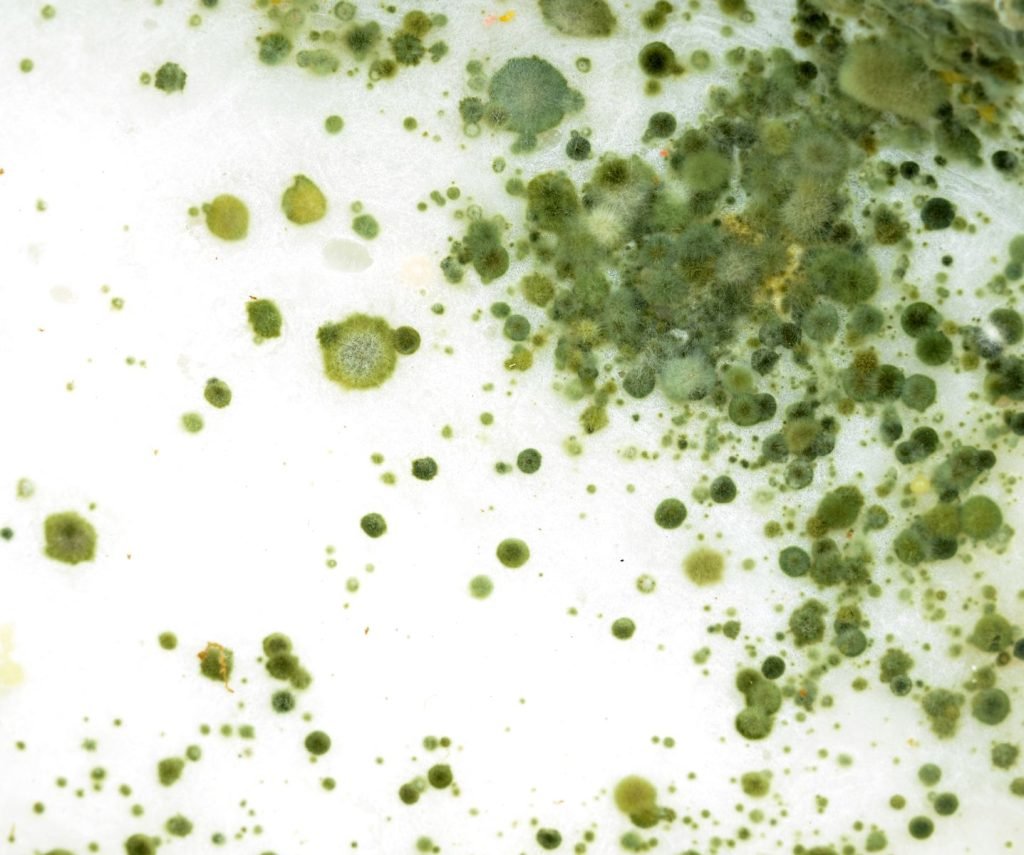
Once established, mold can spread quickly if the underlying moisture problem is not addressed.
Why Mold Is a Serious Problem
Mold affects more than just the appearance of a home.
It can:
- Damage paint and wallpaper
- Stain walls and ceilings
- Cause unpleasant smells
- Damage wooden furniture
- Affect fabrics and carpets
- Reduce indoor air quality
For some people, mold exposure may also aggravate allergies or respiratory conditions, making prevention especially important.
Improve Ventilation
Proper ventilation is one of the most effective ways to reduce indoor moisture.
Fresh air helps remove humid air before it condenses on cold surfaces.
Simple ways to improve ventilation include:
Opening windows for short periods each day, especially after cooking or showering, can significantly reduce humidity. Using trickle vents where available also improves airflow without fully opening windows.
Use Extractor Fans
Extractor fans remove moist air directly from kitchens and bathrooms.
Always switch on extractor fans:
- While cooking
- During showers
- After bathing
- When using tumble dryers without external venting
Continue running the fan for several minutes after finishing these activities to remove remaining moisture.
Maintain Consistent Heating
Keeping a home at a consistent temperature helps reduce condensation.
Large temperature swings allow walls and windows to become very cold, increasing the likelihood of moisture collecting on surfaces.
Rather than heating the home intensely for short periods, maintaining a moderate and steady indoor temperature is often more effective.
Avoid Drying Clothes Indoors
Drying clothes inside releases large amounts of water vapor into the air.
Whenever possible:
Use an outdoor clothesline or a vented tumble dryer.
If indoor drying is unavoidable:
- Place clothes in a well-ventilated room.
- Open nearby windows.
- Use an extractor fan.
- Consider using a dehumidifier.
Reducing indoor moisture significantly lowers the risk of mold.
Keep Furniture Away from External Walls
Large furniture placed directly against external walls can restrict airflow.
Without adequate air circulation, moisture becomes trapped behind wardrobes, sofas, and cabinets, encouraging mold growth.
Leaving a small gap between furniture and walls allows air to circulate more effectively.
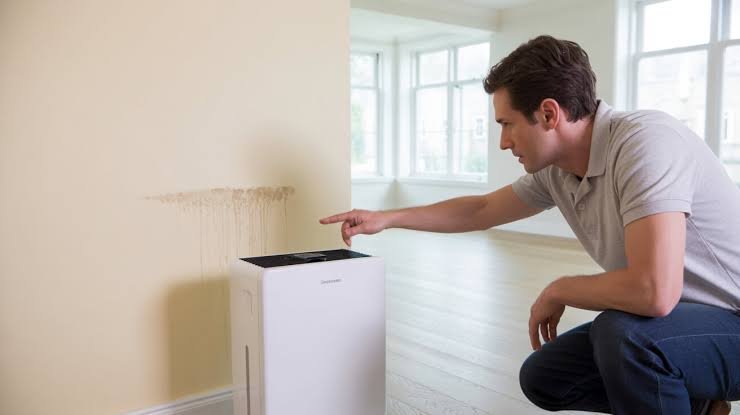
Reduce Indoor Humidity
Managing humidity is essential for preventing condensation.
Indoor humidity can be reduced by:
- Covering pans while cooking
- Wiping condensation from windows
- Using lids on boiling pots
- Ventilating bathrooms after showers
- Repairing leaks promptly
- Limiting indoor drying of laundry
Small daily habits make a significant difference over time.
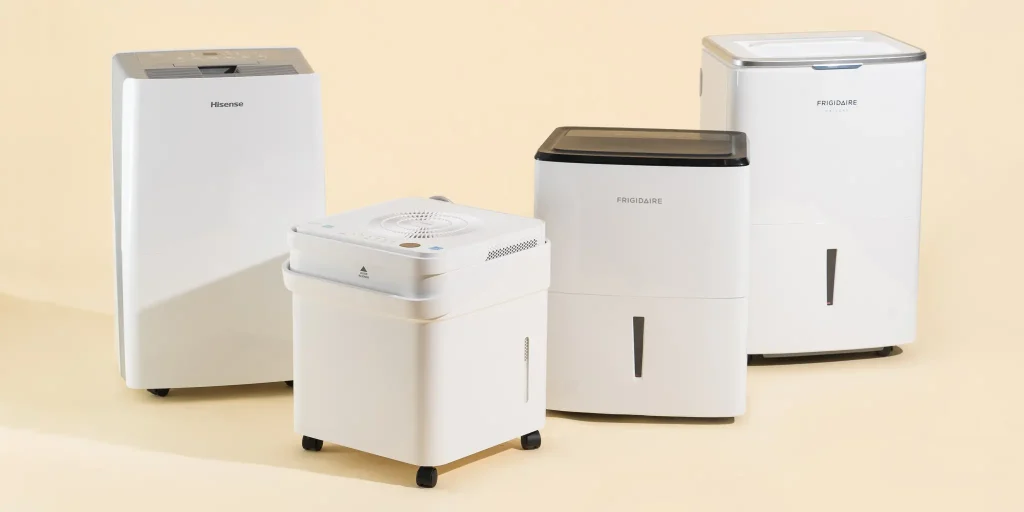
Use a Dehumidifier
Dehumidifiers remove excess moisture from indoor air.
They are particularly useful in:
- Older homes
- Poorly ventilated properties
- Basements
- Laundry rooms
- Homes with persistent condensation
Modern energy-efficient models can improve indoor comfort while reducing damp conditions.
Improve Home Insulation
Insulation helps keep interior surfaces warmer.
Warmer walls and windows reduce the likelihood of condensation forming.
Common insulation improvements include:
- Loft insulation
- Cavity wall insulation
- Double or triple glazing
- Insulated doors
- Pipe insulation
Although insulation requires an initial investment, it can improve energy efficiency while helping prevent dampness.
Repair Water Leaks Quickly
Not all damp problems are caused by condensation.
Leaks from roofs, plumbing, gutters, or damaged windows can introduce additional moisture into the home.
Signs of water leaks include:
- Damp patches
- Peeling wallpaper
- Water stains
- Dripping pipes
- Wet ceilings
Addressing leaks quickly prevents mold from spreading.
Clean Mold Safely
Small patches of surface mold can often be cleaned safely.
Before cleaning:
Wear gloves and, if appropriate, a mask.
Use suitable mold-cleaning products or diluted solutions recommended for household use.
Avoid simply painting over mold without treating the underlying moisture problem, as it will likely return.
For extensive mold growth or recurring damp issues, professional inspection may be necessary.
Keep Windows Dry
Condensation frequently appears on windows during cold weather.
Each morning:
Wipe away moisture using a cloth or window vacuum.
Removing water promptly helps prevent mold from developing on window frames and surrounding walls.
Monitor Indoor Humidity
A digital hygrometer provides an easy way to monitor humidity levels.
Ideally, indoor humidity should generally remain between 40% and 60%.
If humidity regularly exceeds this range, additional ventilation or moisture control measures may be needed.

Prevent Condensation During Winter
Winter presents the greatest condensation challenges.
Helpful habits include:
Keeping internal doors closed while cooking or showering prevents moist air from spreading throughout the home. Opening windows briefly after activities that generate steam also helps remove excess humidity without causing excessive heat loss.
Maintaining regular heating during colder weather can also reduce condensation.
Landlord and Tenant Responsibilities
In rented properties, both landlords and tenants play important roles in preventing mold.
Landlords are generally responsible for addressing structural issues, leaks, and inadequate ventilation.
Tenants can help by ventilating the property, reporting maintenance issues promptly, and avoiding behaviors that increase indoor moisture.
Good communication often helps prevent small issues from becoming larger problems.
Long-Term Prevention Strategies
Preventing mold requires consistent maintenance rather than one-time cleaning.
Regular inspections, prompt repairs, adequate ventilation, and balanced heating all contribute to a healthier home.
Annual maintenance of roofing, gutters, plumbing, and extractor fans can also reduce the likelihood of future damp problems.
Common Mistakes to Avoid
Many homeowners unknowingly encourage condensation by:
- Blocking air vents
- Turning off extractor fans too soon
- Drying large amounts of laundry indoors
- Placing furniture tightly against cold walls
- Ignoring small leaks
- Allowing condensation to remain on windows
Avoiding these habits helps keep moisture under control.
Read More: What Makes a Home Look Dated?
FAQs
What causes condensation in UK homes?
Condensation occurs when warm, moist indoor air comes into contact with cold surfaces like windows, walls, and ceilings, causing water droplets to form.
Can mold affect my health?
Yes. Mold exposure may trigger allergies, worsen asthma, and irritate the eyes, nose, throat, or respiratory system, particularly in sensitive individuals.
Is opening windows enough to prevent condensation?
Opening windows regularly helps reduce humidity, but combining ventilation with consistent heating, extractor fans, and moisture control provides better long-term protection.
Are dehumidifiers effective against mold?
Yes. Dehumidifiers reduce excess moisture in the air, making conditions less favorable for mold growth, especially in damp or poorly ventilated homes.
How often should I check my home for mold?
Inspect areas prone to dampness, such as bathrooms, kitchens, window frames, lofts, and behind large furniture, at least once a month so that any problems can be identified and addressed early.
Conclusion
Mold and condensation are common issues in UK homes, but they are often preventable with the right approach. By improving ventilation, maintaining consistent heating, reducing indoor humidity, repairing leaks promptly, and using dehumidifiers when necessary, homeowners and tenants can significantly reduce the risk of dampness and mold growth. Creating a healthy indoor environment not only protects your property but also improves comfort and supports better indoor air quality. Small daily habits—such as opening windows after showering, using extractor fans, and wiping away condensation—can make a lasting difference. With regular maintenance and attention to moisture control, UK homes can remain warmer, drier, and healthier throughout every season.
