

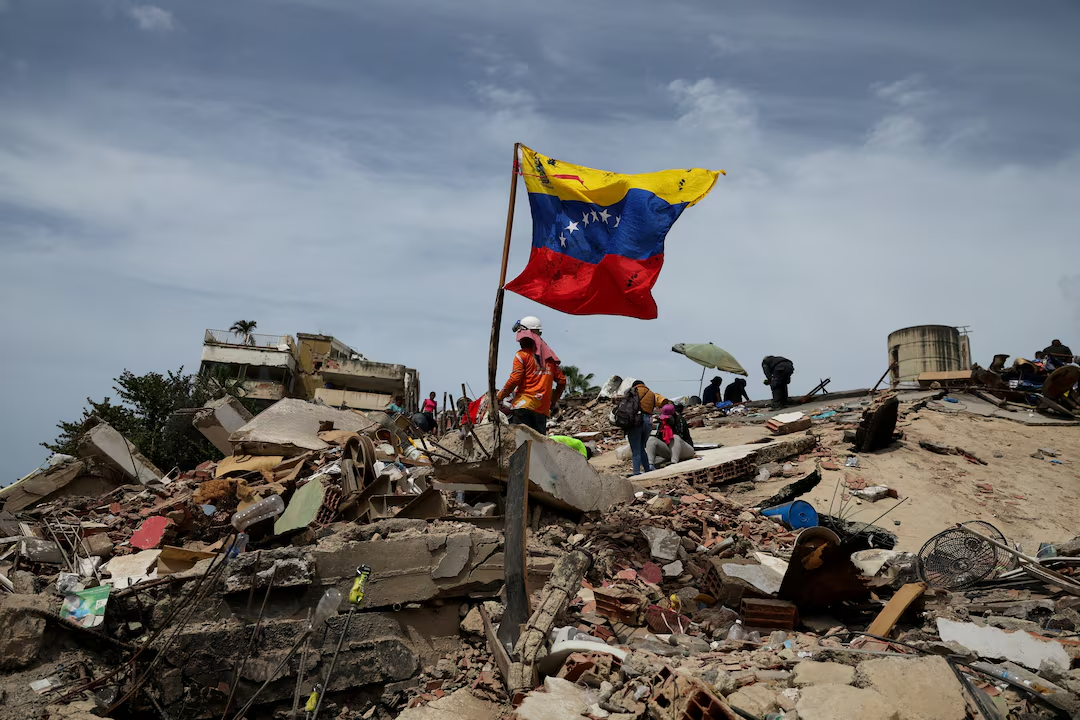
Venezuela’s response to a series of devastating earthquakes has come under intense scrutiny after multiple sources alleged that delayed military orders and widespread command confusion significantly slowed emergency rescue operations during the critical hours following the disaster. While rescue workers, volunteers, and local authorities rushed to assist affected communities, reports suggest that the country’s military one of the largest emergency response institutions—was hampered by communication breakdowns and uncertainty over deployment decisions.
The earthquakes, which struck several regions and caused extensive damage to homes, roads, hospitals, and public infrastructure, left thousands of families displaced. As survivors waited for aid, questions began emerging about why military assistance, including engineering units, helicopters, and medical teams, took longer than expected to reach the hardest-hit areas.
Powerful Earthquakes Leave Widespread Destruction
The earthquakes struck with little warning, shaking multiple Venezuelan states and triggering landslides, building collapses, and widespread power outages. Communities located near the epicenter suffered the greatest damage, with emergency officials reporting collapsed residential buildings, damaged schools, disrupted transportation routes, and overwhelmed healthcare facilities.
Rescue teams immediately began searching through debris for survivors while hospitals activated emergency protocols to accommodate the growing number of injured residents. Communication networks became unreliable in several areas, making coordination increasingly difficult during the first hours after the disaster.
The earthquakes also disrupted electricity and water supplies, forcing thousands of people to seek temporary shelter in public buildings and emergency camps established by local authorities.
Early Hours Proved Critical
Disaster experts have long emphasized that the first 24 to 72 hours after a major earthquake are the most important for saving lives. During this period, rapid deployment of search-and-rescue personnel, heavy equipment, medical teams, and logistical support can dramatically increase survival rates.
According to individuals familiar with the emergency response, confusion over military command structures delayed authorization for several deployment requests. Some rescue units reportedly remained at their bases awaiting formal orders despite urgent appeals from regional authorities.
Sources indicated that field commanders requested permission to mobilize engineering equipment, transport aircraft, and rescue specialists but encountered delays as decisions moved through multiple levels of command.
Reports of Communication Breakdowns
Several sources described significant communication challenges within the military’s emergency response system.
Officials reportedly struggled to determine which commands held operational authority after telecommunications infrastructure suffered damage during the earthquakes. In some regions, unreliable radio communications and interrupted internet services complicated efforts to coordinate rescue missions.
Emergency planners reportedly relied on alternative communication channels while attempting to establish contact with senior decision-makers.
These difficulties affected:
- Deployment of engineering battalions.
- Distribution of humanitarian supplies.
- Air transport missions.
- Medical evacuation operations.
- Coordination with civilian emergency agencies.
The reported confusion highlighted vulnerabilities in emergency communication systems during large-scale natural disasters.
Rescue Teams Worked Despite Limited Support
Despite the reported military delays, firefighters, civil protection agencies, volunteer organizations, police officers, healthcare workers, and local residents immediately launched rescue operations.
Community volunteers used basic tools to search damaged buildings while medical professionals established temporary treatment centers near affected neighborhoods.
International humanitarian organizations also monitored developments and prepared assistance for communities requiring additional support.
Local authorities praised ordinary citizens who joined rescue efforts, often risking their own safety to help trapped neighbors before specialized equipment arrived.
Infrastructure Damage Complicated Military Deployment
Even where military units were prepared to respond, damaged infrastructure presented additional obstacles.
Collapsed bridges, cracked highways, landslides, and blocked roads slowed the movement of heavy vehicles carrying rescue equipment.
Several airports temporarily suspended operations while engineers assessed runway safety. Helicopters became one of the few effective methods for reaching isolated communities, but adverse weather and logistical challenges limited flight operations during the initial response.
Fuel shortages in certain regions reportedly added further complications for transportation planning.
Government Defends Emergency Response
Government officials have defended the overall disaster response, stating that the scale of the earthquakes created extraordinary operational challenges.
Authorities argued that emergency agencies mobilized as quickly as conditions allowed despite damaged infrastructure, communication failures, and ongoing aftershocks.
Officials emphasized that thousands of military personnel were eventually deployed to assist with:
- Search and rescue operations.
- Medical support.
- Distribution of food and drinking water.
- Temporary shelter construction.
- Infrastructure repair.
- Security in affected communities.
Government representatives also noted that emergency planning continues to evolve as rescue operations transition toward long-term recovery.
Sources Point to Command Structure Challenges
Individuals familiar with internal military procedures suggested that centralized decision-making may have contributed to slower deployment.
According to these sources, some regional commanders reportedly lacked authority to independently mobilize significant resources without approval from higher leadership.
Disaster response specialists argue that decentralized emergency authority often enables faster reactions during rapidly evolving crises, particularly when communications are disrupted.
While these accounts have not been independently verified, they have intensified debate over whether emergency command procedures require modernization.
Humanitarian Needs Continue to Grow
As rescue efforts continue, humanitarian organizations estimate that thousands of families require immediate assistance.
Priority needs include:
- Safe drinking water.
- Emergency shelter.
- Medical supplies.
- Food assistance.
- Sanitation facilities.
- Psychological support for survivors.
Children, elderly residents, and individuals with disabilities remain among the most vulnerable populations following the earthquakes.
Relief agencies continue coordinating deliveries while assessing additional damage across remote communities.
International Attention on Recovery Efforts
The earthquake response has attracted international attention as neighboring countries, humanitarian organizations, and foreign governments express solidarity with Venezuela.
Several countries have offered technical assistance, emergency supplies, medical equipment, and disaster assessment expertise.
International disaster specialists note that rebuilding damaged infrastructure will likely require months or even years depending on available financial resources and reconstruction planning.
Experts emphasize that effective recovery depends not only on rebuilding physical structures but also on restoring healthcare, education, transportation, communications, and local economies.
Lessons for Future Disaster Preparedness
The reported delays have renewed discussion about strengthening Venezuela’s national disaster preparedness systems.
Emergency management experts suggest several areas for improvement, including faster command authorization procedures, improved communication redundancy, expanded disaster training, enhanced coordination between civilian and military agencies, and greater investment in emergency infrastructure.
Natural disasters frequently expose weaknesses that remain hidden during normal conditions. Analysts believe the recent earthquakes provide an opportunity to evaluate existing emergency protocols and improve future responses.
Looking Ahead
Recovery operations are expected to continue for an extended period as engineers inspect damaged buildings, restore utilities, and assist displaced residents.
Authorities remain alert for aftershocks while continuing damage assessments across affected regions. Reconstruction planning will likely become the government’s primary focus once immediate rescue operations conclude.
Whether investigations ultimately confirm that delayed orders and command confusion significantly affected the emergency response remains a subject of ongoing scrutiny. However, the experience has already sparked important conversations about crisis leadership, disaster preparedness, and the need for rapid decision-making during national emergencies.
Read More: Iran Signals End of MoU as July U.S. Strikes Leave 50 Dead
FAQs
What caused concerns about Venezuela’s earthquake response?
Sources alleged that delayed military orders and confusion within the chain of command slowed the deployment of emergency personnel and resources during the critical early hours after the earthquakes.
What challenges did rescue teams face?
Rescue teams encountered damaged roads, communication outages, power failures, landslides, disrupted transportation networks, and continuing aftershocks while searching for survivors.
How did the government respond to criticism?
Government officials defended the response, stating that the unprecedented scale of the disaster and damaged infrastructure created unavoidable logistical challenges.
What assistance is most urgently needed?
Affected communities require emergency shelter, food, clean drinking water, medical care, sanitation services, and psychological support as recovery efforts continue.
What lessons could emerge from the disaster?
Experts suggest improving emergency communication systems, decentralizing disaster response authority, strengthening coordination among agencies, and investing in preparedness to enable faster responses during future emergencies.
Conclusion
The devastating earthquakes have left Venezuela facing one of its most challenging humanitarian situations in recent years. While emergency responders, volunteers, healthcare workers, and local communities demonstrated remarkable resilience, allegations of delayed military orders and operational confusion have raised serious questions about the effectiveness of the country’s disaster response system. As rescue efforts transition into long-term recovery, authorities will likely face increasing calls to review emergency command structures, improve coordination, and strengthen preparedness for future natural disasters. The lessons learned from this tragedy may ultimately shape how Venezuela responds to emergencies in the years ahead.
