


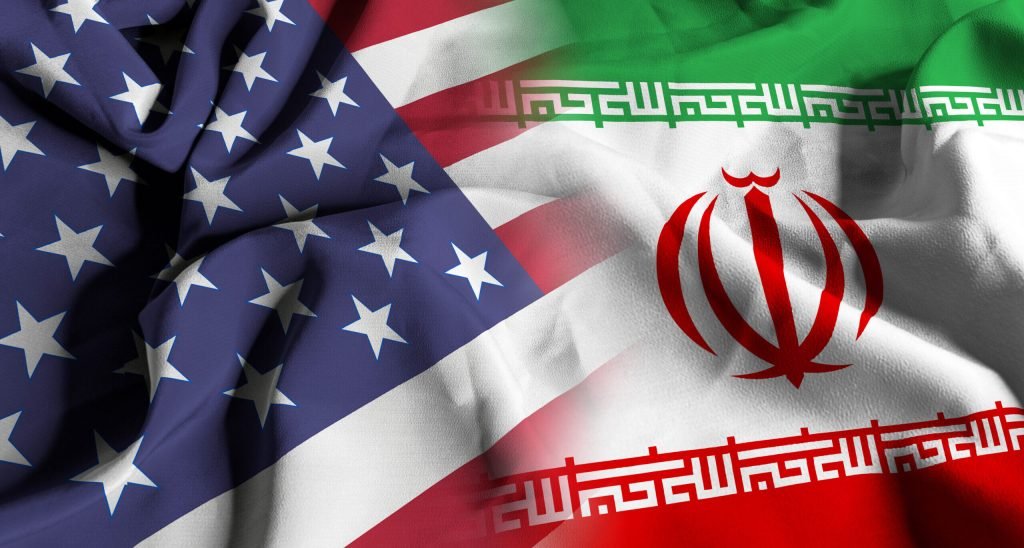
Iran is seriously considering the terms for resuming diplomatic negotiations with the United States over its nuclear program, officials said Monday, amid intense international pressure and growing fears that escalating tensions could spark a broader conflict in the Middle East. Both Tehran and Washington have signaled a willingness to re-engage after months of stalemate, but deep fissures, particularly over ballistic missiles and security guarantees, continue to complicate prospects for a deal.
As Iranian leaders weigh their options, the Middle East finds itself at a dangerous crossroads: the flashpoints of nuclear proliferation, sanctions, domestic unrest, and military posturing are converging. A delicate dance of diplomacy, deterrence, and regional maneuvering is unfolding with potentially historic implications for Iran, the U.S., and key partners across the globe.
Why Diplomacy Is on the Table Again
Efforts to resume negotiations come as both sides face mounting pressures:
- U.S. Strategic Posture: Washington has increased its naval presence in the Gulf, including a carrier strike group, signaling readiness for rapid military action if diplomacy fails. This buildup is intended to deter Iran but also reflects deep U.S. skepticism about Tehran’s intentions.
- Iran’s Position: Iranian officials have expressed readiness to engage in talks — but on conditions that would preserve what they consider core national interests. Tehran’s economy has been weakened by years of sanctions, while its leaders face domestic criticism over a severe clampdown on protests.
U.S. President Donald Trump has publicly stated that Iran was “seriously talking” and emphasized the possibility of a negotiated agreement to avoid conflict. Trump’s administration has linked diplomacy to demands that Tehran curb its nuclear activities, limit its ballistic missile program, and reduce support for armed proxy groups across the region — demands Tehran has historically rejected as unacceptable infringements on its sovereignty.
Core Issues at the Heart of the Dispute
Despite talk of revived diplomacy, significant differences remain:
Nuclear Enrichment
A key issue has been Tehran’s uranium enrichment activities. Iran has increased enrichment to levels far beyond those permitted under the 2015 Joint Comprehensive Plan of Action (JCPOA), raising deep concern among U.S. and European policymakers. Although Iran insists its program is peaceful, Western nations suspect it could shorten the time needed to develop nuclear weapons capability.
Tehran has indicated some willingness to show “flexibility” on the nuclear question — potentially including sending part of its enriched uranium abroad and agreeing to oversight arrangements — if sanctions are lifted and security guarantees are provided.
Ballistic Missile Program
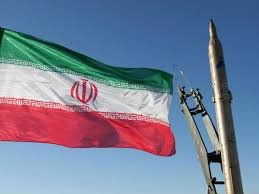
Iran views its ballistic missile arsenal as essential to national defense and has categorically rejected U.S. efforts to roll it into nuclear negotiations. Tehran’s leaders argue that this program is a sovereign right crucial to deter foreign threats and that it should not be subject to international curbs.
This stance has become one of the most difficult gaps in negotiations — significant enough that Iranian officials consider it a bigger obstacle than even uranium enrichment.
Sanctions and Economic Pressure
Iran’s economy has been severely handicapped by long-standing U.S. sanctions that target its financial sector, oil exports, and key individuals within the government. Lifting these sanctions is a top priority for Tehran — and a central bargaining chip for Washington.
Military De-Escalation
Tehran has insisted that any meaningful talks must occur without the “shadow of threats” and outside an environment of looming military action. Iran wants a reduction in U.S. military assets near its borders as a sign of good faith.
Regional Ripples: Allies and Proxies
While U.S. and Iranian leaders navigate bilateral tensions, the broader Middle Eastern geopolitical landscape plays an influential role:
- Proxy Dynamics: Tehran’s support for groups like Hezbollah in Lebanon, militias in Iraq, and the Houthis in Yemen has long been a sticking point, with Washington and its allies viewing these relationships as destabilizing influences.
- Israeli Concerns: Israel perceives a nuclear-capable Iran as an existential threat. Israeli leaders have urged the United States to adopt a hardline approach and, at times, have considered pre-emptive military action.
- Third-Party Mediators: Countries like Turkey, Qatar, and the UAE have been active in facilitating indirect communication between Tehran and Washington, suggesting meetings in neutral venues to build trust and reduce immediate conflict risks.
Domestic Pressures Inside Iran
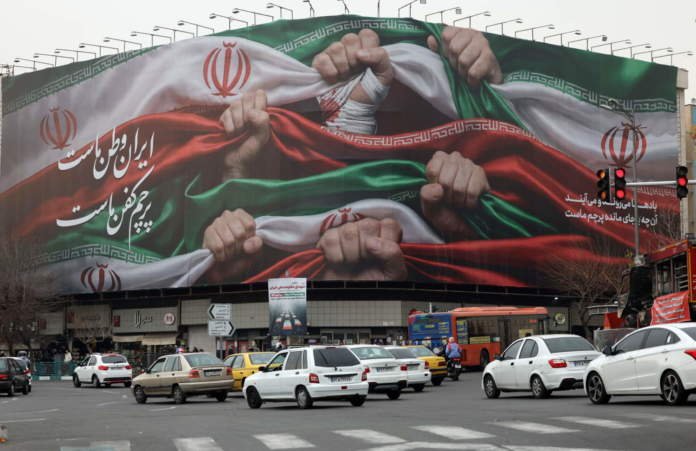
Tehran’s internal political climate also shapes diplomatic decisions. The Iranian government faced the deadliest protests in decades late last month after nationwide unrest drew a forceful crackdown. Thousands of civilians were killed and detained, drawing international condemnation and intensifying scrutiny of Iran’s leadership.
Officials have framed the unrest as externally influenced and continue to argue that foreign pressure and threats justify a robust defense policy. This narrative reinforces hardline elements within Iran’s political elite who oppose extensive concessions.
Read More: Iran tensions echo pre-Iraq conflict, warns ex-IAEA chief
FAQs
What is at stake in the nuclear negotiations between Iran and the U.S.?
The negotiations center on limiting Iran’s nuclear program to prevent weaponization, while offering sanctions relief and international integration. The U.S. aims to ensure that Iran cannot produce nuclear weapons, while Iran seeks to protect its sovereign right to peaceful nuclear technology and gain economic relief.
Why are missiles such a major sticking point in talks?
Iran’s ballistic missile program is considered a critical defense asset by Tehran and non-negotiable in any agreement, even as the U.S. sees it as intertwined with nuclear proliferation risks. Missile capabilities would be necessary to deliver any potential nuclear payload, in the view of many U.S. officials, making them central to arms control discussions.
Could these talks prevent war?
Diplomacy offers one of the few viable paths to defuse tensions that have escalated with U.S. military deployments in the Gulf, threats of strikes by both sides, and violent domestic unrest within Iran. Many analysts believe that agreements short of full nuclear normalization — such as confidence-building measures and phased compliance — could reduce the risk of open conflict.
What role do regional actors play in these negotiations?
Countries like Turkey, Qatar, and the UAE have acted as intermediaries, helping facilitate communication and encouraging both sides to seek diplomatic solutions. Regional alliances and proxy engagements, especially involving groups supported by Iran, also influence strategic calculations and complicate negotiations.
What are the potential outcomes if talks fail?
If negotiations collapse, the risk of military confrontation increases significantly. Iranian leaders have warned that U.S. military action could trigger widespread conflict, potentially drawing in regional actors and threatening global energy markets. Conversely, Washington could impose further sanctions or pursue military options should it deem diplomacy unworkable.
Conclusion
The evolving dialogue between Tehran and Washington represents one of the most consequential diplomatic efforts of the decade, with implications ranging from nuclear proliferation and regional stability to global security dynamics. While both countries have signaled a willingness to explore diplomatic solutions, entrenched positions on key issues such as uranium enrichment, ballistic missiles, sanctions, and regional influence continue to test the limits of compromise.
