


As tensions between Iran and the United States continue to rise, Mohamed ElBaradei, former director general of the International Atomic Energy Agency (IAEA), has issued a stark warning: the current rhetoric and military posturing echo the dangerous path that led to the 2003 invasion of Iraq.
ElBaradei, a Nobel Peace Prize laureate and one of the most prominent voices in global nuclear oversight, cautioned that unilateral threats against Iran are unlawful, reckless, and potentially catastrophic. He emphasized that Iran poses no immediate or imminent military threat that would justify escalation, drawing unsettling parallels between today’s discourse and the intelligence failures and political decisions that preceded the Iraq war.
His intervention comes amid renewed warnings from Washington, military deployments in the region, and heightened rhetoric involving Iran, Israel, and the United States—raising fears that the Middle East may again be edging toward a conflict rooted more in assumption than evidence.
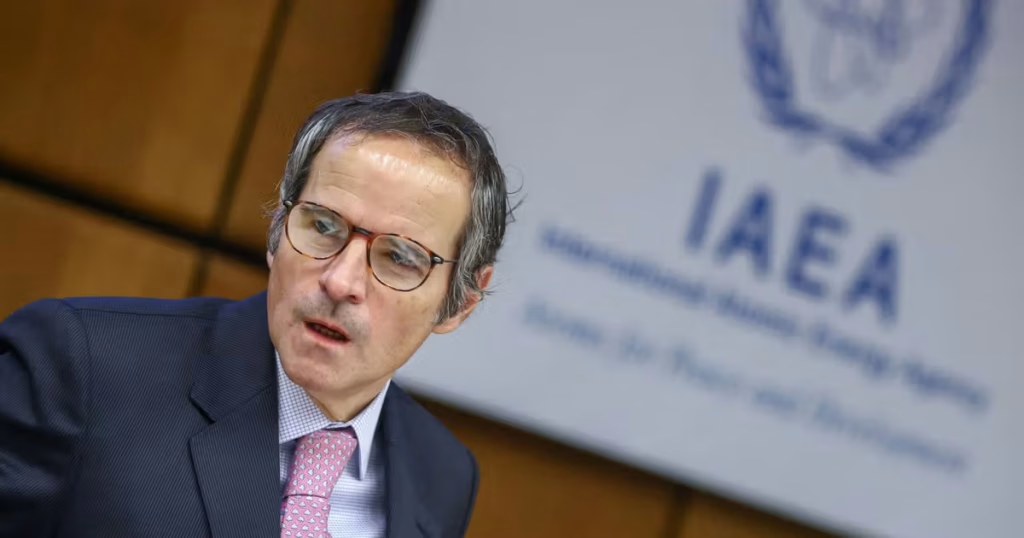
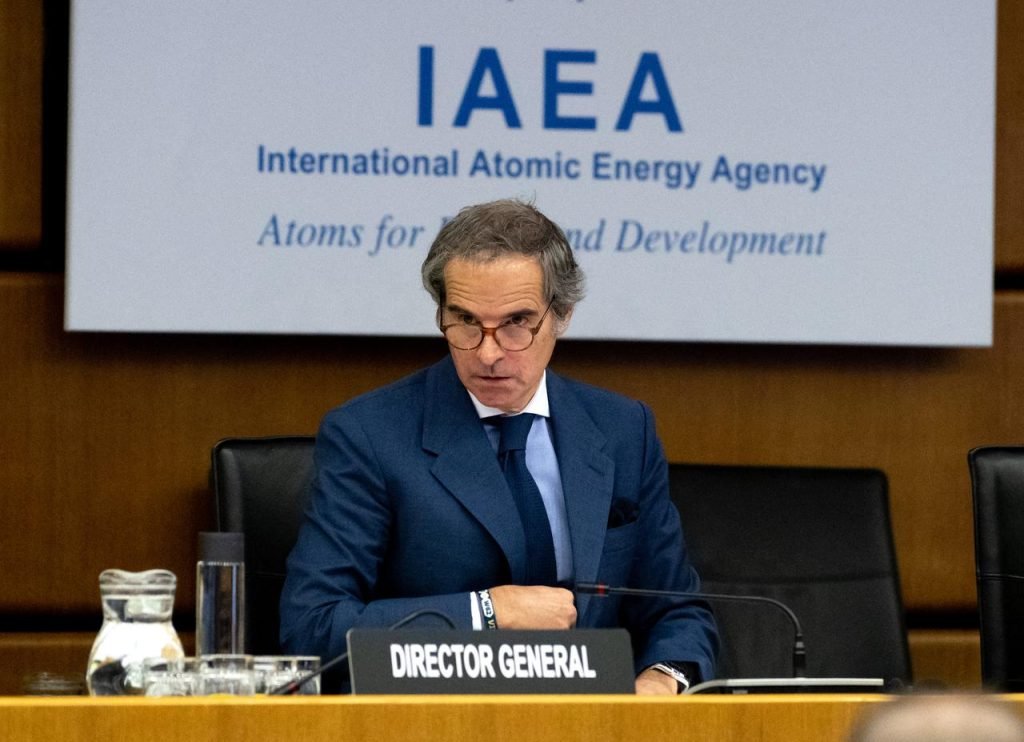
Who Is Mohamed ElBaradei and Why His Warning Matters
A Global Authority on Nuclear Oversight
Mohamed ElBaradei served as director general of the IAEA from 1997 to 2009, overseeing some of the most critical nuclear inspections in modern history, including those in Iraq, Iran, and North Korea. Under his leadership, the IAEA played a central role in verifying compliance with nuclear non-proliferation agreements.
In 2005, ElBaradei and the IAEA were jointly awarded the Nobel Peace Prize for their efforts to prevent nuclear energy from being used for military purposes.
His Role Before the Iraq War
Before the 2003 Iraq invasion, ElBaradei publicly challenged US and UK claims that Iraq possessed active weapons of mass destruction (WMDs). His agency found no credible evidence supporting those allegations warnings that were ultimately ignored.
The Iraq war later proved his concerns justified, as post-war investigations confirmed that Iraq did not possess active WMD programs, exposing one of the most significant intelligence failures in modern history.
The Current Context: Rising Tensions with Iran
Renewed US Warnings and Military Posturing
In recent weeks, US officials including President Donald Trump have issued warnings suggesting Iran poses a growing threat to regional and global security. Trump has stated that US naval forces are moving rapidly toward the region, a move framed as deterrence but viewed by critics as escalatory.
Such statements have reignited global debate over whether the United States is laying the groundwork for potential military action against Iran.
Iran’s Position
Iranian officials have repeatedly denied seeking nuclear weapons and insist their nuclear program is peaceful. While Tehran has expanded uranium enrichment in response to sanctions and diplomatic breakdowns, international inspectors have not declared Iran to be pursuing an active nuclear weapon.
Iran’s military leadership, meanwhile, has issued warnings of its own, cautioning that any attack would be met with a strong response, potentially triggering a wider regional conflict.
Echoes of Iraq”: ElBaradei’s Core Warning
Dangerous Similarities
ElBaradei stated that the language currently being used against Iran is disturbingly similar to that employed before the Iraq war. He pointed to:
- Claims of imminent threats without public evidence
- Heavy reliance on political assertions rather than verified intelligence
- A narrative framing military action as inevitable or necessary
“These warnings,” ElBaradei said, “sound hauntingly familiar.”
No Immediate Threat
A central point in ElBaradei’s critique is the absence of any clear, imminent military danger posed by Iran.
“There is no evidence,” he argued, “that Iran presents an immediate threat that would justify military action.”
This assessment aligns with views held by many independent analysts and former intelligence officials who stress that intent, capability, and imminence must all be demonstrated before force can be justified under international law.
International Law and the Use of Force
Unilateral Threats and Global Norms
ElBaradei described unilateral military threats as violations of international law, particularly the UN Charter, which prohibits the use of force except in self-defense or with explicit authorization from the UN Security Council.
Threatening military action without evidence of imminent attack, he said, undermines the global rules-based order.
Lessons from Iraq
The Iraq war stands as a cautionary tale of what happens when international norms are bypassed. The invasion:
- Destabilized an entire region
- Led to hundreds of thousands of deaths
- Fueled extremist movements
- Damaged trust in Western intelligence claims
ElBaradei warned that repeating such actions against Iran could result in even greater devastation.
The Regional Stakes: Why Iran Is Not Iraq
A Far More Complex Battlefield
Unlike Iraq in 2003, Iran is:
- Militarily stronger
- Regionally influential
- Connected to multiple allied non-state actors
- Situated near critical global energy routes
Any conflict involving Iran would likely not be contained within its borders.
Risk of a Regional War
Analysts warn that a US-Iran conflict could draw in:
- Israel
- Gulf states
- Armed groups across Iraq, Syria, Lebanon, and Yemen
The resulting instability could disrupt global energy markets, trigger humanitarian crises, and reshape Middle Eastern geopolitics for decades.
The Nuclear Issue: Facts vs Fear
What Inspectors Have Found
While Iran has breached certain nuclear deal limits following US withdrawal from the agreement, inspectors have not confirmed the existence of a nuclear weapon program.
ElBaradei emphasized that nuclear concerns must be addressed through inspections and diplomacy, not assumptions or threats.
Weaponization vs Capability
ElBaradei stressed the critical distinction between:
- Technical capability (which many countries possess)
- Political decision to build a weapon (which Iran has not demonstrably taken)
Failing to make this distinction, he warned, risks turning technical disputes into armed conflicts.
Calls for Diplomacy Over Militarization
A Diplomatic Path Still Exists
ElBaradei urged global leaders to prioritize dialogue, pointing out that diplomatic channels, while strained, have not been exhausted.
He cited historical examples where negotiation prevented catastrophe, arguing that diplomacy is not weakness but responsibility.
The Cost of Ignoring History
“History teaches us,” ElBaradei said, “that wars launched without evidence or international legitimacy end in tragedy.”
He warned that repeating the mistakes of Iraq would erode global stability and credibility particularly for institutions tasked with maintaining peace.
Expert Reactions and Global Concerns
Analysts Share Alarm
Many security experts agree that escalating rhetoric increases the risk of miscalculation. Military deployments, when combined with political pressure, can quickly spiral into unintended conflict.
Public Opinion and Global Skepticism
Public trust in intelligence claims remains fragile after Iraq. Governments pushing toward confrontation now face greater scrutiny from citizens, media, and international bodies.
Read More: Trump says Iran and US are talking to avert military escalation
FAQs
What exactly did Mohamed ElBaradei warn about?
He warned that US threats against Iran resemble the rhetoric used before the Iraq war and could lead to an illegal and catastrophic conflict.
Does Iran pose an immediate military threat?
According to ElBaradei and many experts, no evidence suggests an imminent threat requiring military action.
Why is the Iraq comparison significant?
The Iraq war was launched based on false intelligence claims, leading to massive destruction. ElBaradei fears history may repeat itself.
Are US threats legal under international law?
Unilateral threats and pre-emptive strikes without clear self-defense justification or UN approval generally violate international law.
What could happen if conflict breaks out?
A war with Iran could escalate into a regional conflict, disrupt global oil supplies, and cause widespread humanitarian suffering.
Conclusion
Mohamed ElBaradei’s warning carries exceptional weight because it comes from someone who stood on the front lines of global nuclear verification and witnessed firsthand the consequences of ignoring evidence in favor of political narratives.His message is clear: the world cannot afford another Iraq-style mistake.
