


In a bold move that has sent ripples through the tech and energy sectors, US President Donald Trump announced on January 12, 2026, that Microsoft would implement significant changes to its AI data center operations. The goal: ensure that American households do not face higher electricity bills due to the massive power demands of AI infrastructure. This announcement comes amid rising utility costs in multiple states and mounting political pressure ahead of the midterm elections.
Trump emphasized that Big Tech companies must shoulder the full cost of their energy consumption. “I don’t want Americans paying higher electricity bills because of data centers,” he stated. “These large technology firms need to cover the costs themselves.” The president’s remarks highlight a growing national debate: Who should pay for the energy required to fuel the AI boom—consumers, utilities, or the companies profiting from it?
The AI Boom and Its Insatiable Energy Appetite
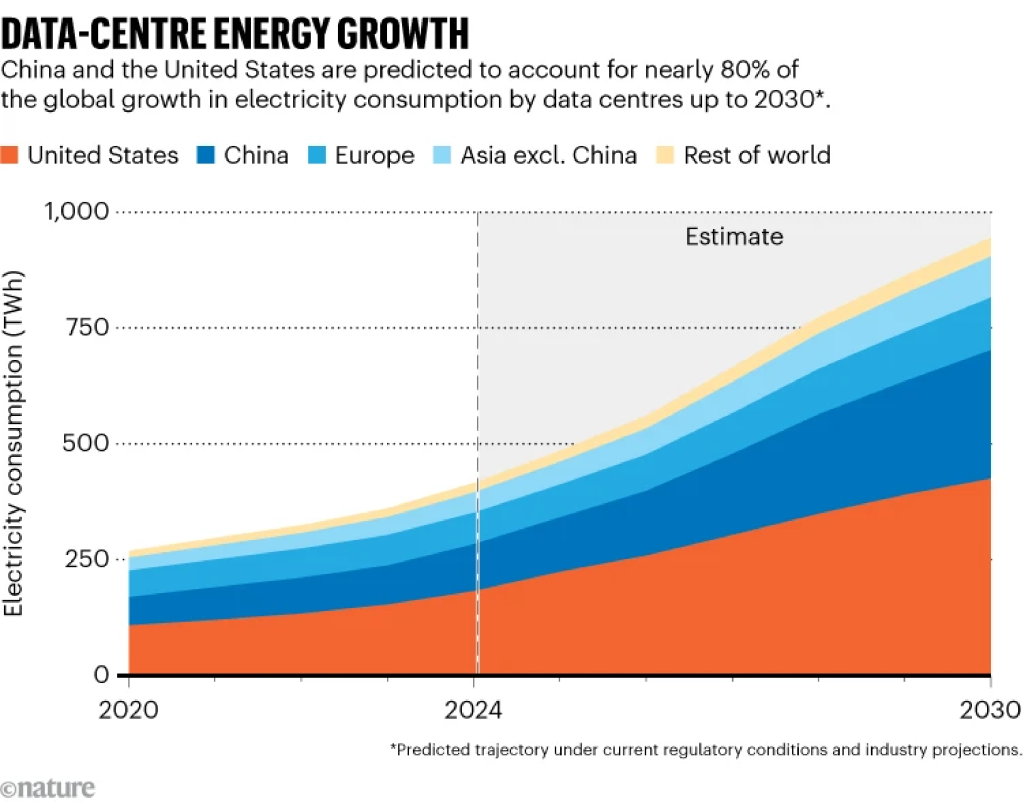
Artificial intelligence has transformed industries, from healthcare to finance, but its rapid growth has come at a steep energy cost. Data centers, the backbone of AI training and deployment, consume vast amounts of electricity. In 2024, US data centers accounted for about 4% of total electricity use, roughly equivalent to the consumption of a mid-sized country like Ireland. Projections indicate this could double or triple by 2030, reaching 8-15% of national electricity demand.
A single large AI data center can require as much power as a small city. Training advanced models like those behind ChatGPT or Grok demands enormous computational resources, often powered by thousands of specialized GPUs. Cooling systems add to the load, as servers generate intense heat. The US Department of Energy and independent analysts warn that unchecked expansion could strain the aging national grid, lead to blackouts, and drive up costs for everyone.
Rising Electricity Bills: The Real-World Impact
Utility bills have risen noticeably in recent years, with reports indicating a 6-7% year-over-year increase in at least 13 states as of late 2025. Some areas, like Maine, experienced spikes as high as 36%. Analysts attribute part of this to data center growth. In regions with heavy concentrations—such as Northern Virginia, Texas, and the Midwest—utilities have upgraded infrastructure to accommodate new facilities, passing costs to ratepayers.
Critics argue that Big Tech benefits from subsidized power rates or tax incentives, while ordinary consumers bear the brunt. Senator Elizabeth Warren and other lawmakers launched investigations in late 2025 into how AI data centers contribute to rising household bills. The Energy Department forecasts continued increases, with residential rates potentially rising 4-5% annually through 2030.
Trump’s Intervention and Microsoft’s Response
President Trump’s announcement came after months of behind-the-scenes pressure on tech giants. He hinted at similar directives for Meta, Amazon, and Google, all of which are aggressively expanding AI infrastructure.
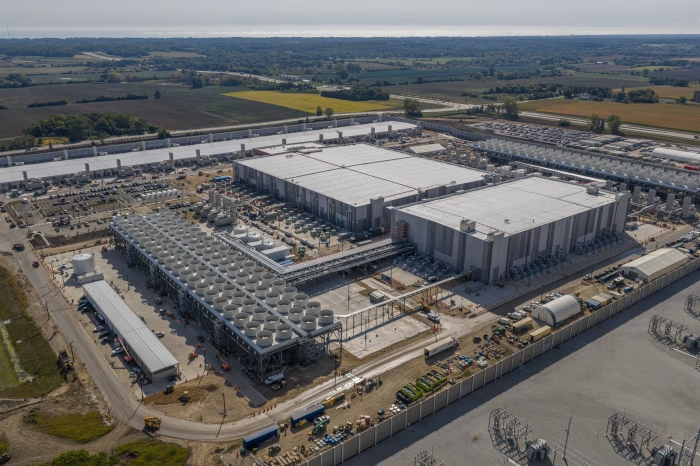
Microsoft, a leader in AI through its partnership with OpenAI and Azure cloud services, faced immediate scrutiny. The company scrapped plans for a data center in Caledonia, Wisconsin, following local opposition over power demands. Microsoft President Brad Smith addressed concerns directly, stating the firm is committed to ensuring locals don’t pay more for power due to its presence.
In response to the White House pressure, Microsoft unveiled its “Good Neighbor” policy in January 2026. Key elements include:
- Paying higher rates for electricity in areas where data centers are built.
- Rejecting local tax breaks that could shift costs to communities.
- Increasing transparency on energy use and site selection.
- Investing in grid upgrades to prevent pass-through costs.
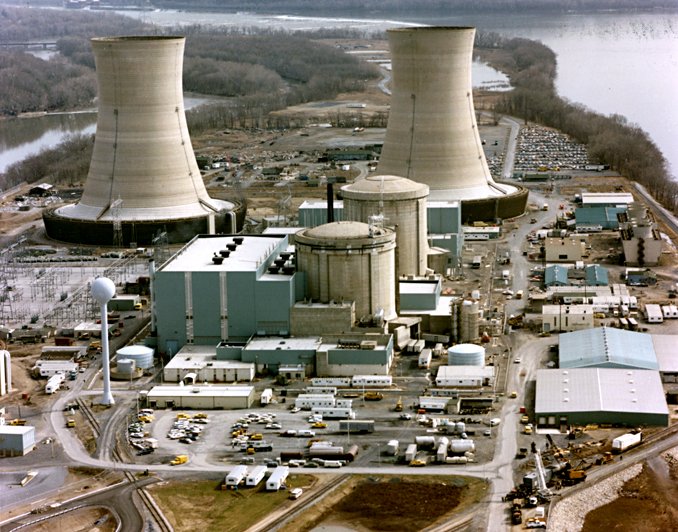
Microsoft’s most high-profile move is its 20-year power purchase agreement (PPA) with Constellation Energy to restart Unit 1 of the Three Mile Island nuclear plant in Pennsylvania. Approved with a $1 billion loan guarantee during the Trump administration in November 2025, the reactor is expected to come online by 2027-2028, providing 835 megawatts of carbon-free energy—enough to power about 800,000 homes.
Other Big Tech Companies Under the Spotlight
Microsoft is not alone. Meta (Facebook’s parent) recently signed multi-gigawatt nuclear deals with Vistra, Oklo, and TerraPower to secure up to 6.6 gigawatts by 2035. Amazon has agreements with Talen Energy for nuclear power, while Google pursues similar carbon-free initiatives.
These companies are investing hundreds of billions in data centers. However, critics argue that without mandates, they might continue benefiting from low rates while grid upgrades burden consumers.
Broader Implications: Grid Strain, Environment, and Nuclear Revival
The AI-driven energy surge poses challenges for the US grid, which is aging and decarbonizing slowly. Utilities warn of potential shortages, as new data centers can demand gigawatts overnight. Environmental groups highlight that while nuclear and renewables offer solutions, rapid construction could delay emissions reductions.
Nuclear power’s revival is a bright spot. Deals like Three Mile Island signal investor confidence in the sector, potentially creating jobs and stable, low-carbon energy.
Read More: Get ready for Gmail’s ‘AI Inbox’
FAQs
What exactly is an AI data center?
AI data centers are massive facilities housing servers and GPUs that train and run AI models. They require constant power for computing and cooling.
How much energy do AI data centers use?
A single large facility can consume hundreds of megawatts—equivalent to a city’s worth. Nationally, data centers used ~4% of US electricity in 2024, projected to rise significantly.
Are data centers really driving up my electricity bill?
In some regions, yes—utilities upgrade grids for data centers, passing costs to consumers. However, companies like Microsoft are now pledging to cover more.
Why is nuclear power involved?
Nuclear provides reliable, carbon-free baseload power. Deals like Microsoft’s Three Mile Island restart aim to meet demand without fossil fuels.
What is the government’s role?
President Trump is pushing Big Tech to self-fund energy needs. Loan guarantees support nuclear revival.
Conclusion
President Trump’s directive to Microsoft marks a pivotal moment in the AI era. By compelling Big Tech to internalize energy costs, the administration aims to protect consumers while allowing innovation. Microsoft’s proactive steps, including nuclear investments and its Good Neighbor policy, set a potential precedent for Meta, Amazon, and Google.
