


ISLAMABAD: The second phase of the Gaza peace plan risks remaining more a diplomatic concept than an operational reality, as the United States struggles to define a clear mandate for a proposed International Stabilisation Force (ISF) acceptable to both Israel and potential troop-contributing nations.
Washington faces a complex balancing act: addressing Israel’s security concerns while reassuring countries, particularly Muslim-majority states, that any deployment would have a clear legal basis, defined rules of engagement, and political legitimacy. So far, bridging these competing demands has proven difficult.
Diplomatic engagements held this week in Doha and Miami underscored a key reality: without clarity on authority, command structure, funding, and operational responsibilities, no government is prepared to commit troops. Until these foundational issues are resolved, phase two of the peace plan is likely to remain a blueprint on paper rather than a plan ready for implementation.
Doha and Miami Talks Yield Limited Progress
Earlier this week, the United States convened a conference in Doha, Qatar, bringing together representatives from more than two dozen countries to discuss leadership arrangements, rules of engagement, and the operational framework of the ISF. Despite extensive discussions, the meeting failed to produce a mandate capable of satisfying both Israel and prospective troop contributors.
The lack of consensus highlighted the challenges Washington faces in translating diplomatic intentions into actionable security arrangements. Turkish officials reiterated their willingness to participate in the force, despite Israel’s continued opposition to Turkiye’s involvement.
On Friday, senior officials from Qatar, Egypt, and Turkiye met with US counterparts in Miami to advance discussions on the second phase of the ceasefire. The talks were led by Steve Witkoff, special envoy of US President Donald Trump, and focused on narrowing differences rather than finalising agreements. Neither Israel nor Hamas was directly represented at the meeting.
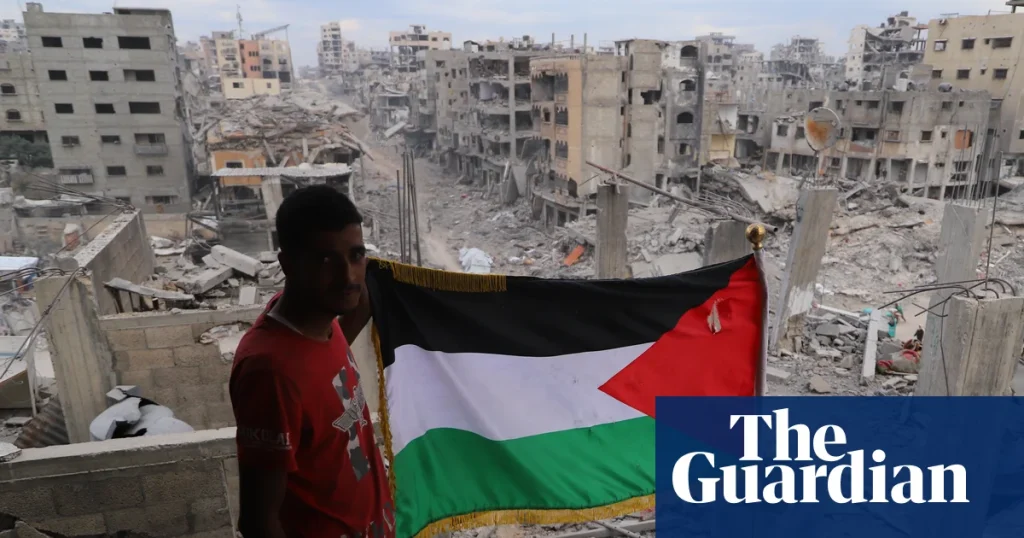
The proposed second phase involves three interconnected steps: the withdrawal of Israeli forces from Gaza, the formation of an interim governing authority, and the deployment of the ISF to maintain security and stability. While officials described the discussions as constructive, they acknowledged that tangible progress remains slow.
The talks took place against the backdrop of ongoing violence. An Israeli strike on a shelter in Gaza City’s Tuffah neighbourhood killed at least six Palestinians and injured several others, underscoring the risks of deploying international forces without a clearly defined mandate.
Diplomats cautioned that sending troops into Gaza without agreed rules of engagement and legal protections could expose them to serious danger.
‘Mandate First, Commitments Later’
US Secretary of State Marco Rubio stressed during a press briefing on Friday that defining the ISF’s mandate must come before any request for troop commitments. Several critical questions remain unresolved, including the force’s legal authority, command hierarchy, funding mechanisms, duration, and scope of operations.
“We owe countries more answers before we can ask them to firmly commit,” Rubio said, noting that while several states have expressed preliminary interest, formal commitments are not expected at this stage.
Rubio specifically referenced Pakistan, saying Islamabad had indicated a willingness to consider participation but had not made any formal pledge. He described the US as “very grateful” for Pakistan’s openness, adding that the country could become a key partner once concerns raised by Muslim nations are adequately addressed.
According to Rubio, progress on political governance is essential before finalising security arrangements. He outlined plans for establishing a Board of Peace alongside a Palestinian technocratic committee to manage day-to-day governance in Gaza.
“The next step is announcing the Board of Peace and the Palestinian technocratic group that will help provide daily governance,” Rubio said. “Once that’s in place, we can firm up the stabilisation force—how it will be funded, what its rules of engagement will be, and its role in demilitarisation.”
US officials view these interim governing bodies as critical to providing political legitimacy to the ISF. Without such structures, foreign troops would risk operating in a political vacuum, caught between competing claims of authority.
Disarmament Remains the Core Obstacle
The most contentious issue remains the disarmament of Hamas. Senior Hamas official Bassem Naim said talks must focus on ending Israeli violations of the truce and expanding humanitarian access to Gaza.
Earlier, Hamas leader Khalil al-Hayya stated that the group has a “legitimate right” to retain its weapons and that any next phase of the ceasefire must respect that position. Hamas has consistently argued that disarmament cannot precede a credible political settlement.
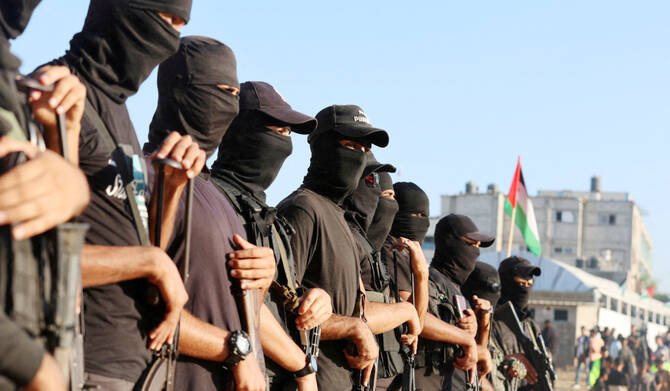
Israel, meanwhile, insists on guarantees that Gaza will not once again become a Hamas-controlled military base. Rubio indicated that Washington’s objective remains dismantling Hamas’ military capabilities while keeping diplomatic channels open for further negotiations.
Humanitarian and Diplomatic Pressures Mount
Despite claims that famine has been averted, UN agencies warn that Gaza’s humanitarian situation remains extremely fragile, with millions still at risk.
Diplomatic tensions have been further heightened by a recent US House vote to sanction the International Criminal Court over its war crimes investigation related to Gaza. The move was welcomed by Israel but sharply criticised by human rights organisations and several Muslim-majority countries.
A Long and Uncertain Path Ahead
Rubio estimated that full implementation of the second phase of the Gaza peace plan could take two to three years, underscoring the scale and complexity of the challenge ahead.
For now, the proposed International Stabilisation Force remains largely conceptual rather than deployable. The discussions in Doha and Miami, along with Washington’s public messaging, reflect a broader reality: phase two of the Gaza plan is as much about political transition as it is about security.
Until the ISF’s mandate, authority, and political framework are clearly defined, no country, including Pakistan, is likely to move beyond expressions of interest to concrete troop commitments.
Read More: Imran, Bushra jailed in another Toshakhana case
Frequently Asked Questions (FAQs)
What is the International Stabilisation Force (ISF) proposed for Gaza?
The ISF is a proposed multinational force intended to help maintain security and stability in Gaza during the second phase of the peace plan, following an Israeli military withdrawal and the formation of an interim governing authority.
Why is the second phase of the Gaza peace plan facing delays?
The plan is delayed due to the absence of a clearly defined mandate for the ISF, including legal authority, rules of engagement, command structure, funding, and political oversight.
Which countries are being consulted about contributing troops?
The United States has held consultations with more than two dozen countries, including Qatar, Egypt, Turkiye, and Pakistan. While some have shown interest, no country has made a formal troop commitment.
Why is the ISF mandate important for troop-contributing nations?
Countries require clarity on legal protections, operational responsibilities, and political legitimacy before deploying troops, especially given the security risks and complex political environment in Gaza.
What role would interim governance play in Gaza?
The US has proposed a Board of Peace and a Palestinian technocratic committee to manage daily governance, providing a political framework to support the ISF’s deployment.
Why is Hamas’ disarmament a major obstacle?
Hamas has rejected full disarmament without a comprehensive political settlement, while Israel insists on guarantees that Gaza will not become a military stronghold again, making compromise difficult.
How long could the second phase of the peace plan take to implement?
US officials estimate that full implementation of the second phase could take two to three years, reflecting the complexity of both political and security arrangements.
Conclusion
The second phase of the Gaza peace plan remains uncertain as critical questions surrounding the International Stabilisation Force’s mandate, authority, and political framework remain unresolved. While diplomatic efforts in Doha and Miami signal continued engagement, meaningful progress depends on reconciling Israel’s security demands with the concerns of potential troop-contributing nations. Until a clear mandate and legitimate governing structure are established, the plan is likely to remain a diplomatic outline rather than a deployable solution, underscoring the long and complex road toward lasting stability in Gaza.
