


Rugged, remote, and remarkably unspoilt, Laos remains Southeast Asia’s last uncut diamond. This country is raw around the edges, yet radiates timeless beauty and charm for those willing to look beyond the surface. From misty mountains to winding rivers, ancient temples to hidden waterfalls holiday, Laos offers travelers a sense of discovery that feels almost untouched by time.
Emerging from the pandemic with renewed energy, Laos is reclaiming its place as one of the world’s most enchanting destinations—a reputation it has quietly held for decades. Often overlooked in favor of its flashier neighbors, the country is now drawing global attention for all the right reasons. Its blend of natural beauty, rich culture, and spiritual depth makes it a must-visit for travelers seeking authenticity, tranquility, and unforgettable experiences.
In 2025, Laos was ranked the world’s cheapest country to travel to, according to a survey of 131 nations by the price comparison site HelloSafe. Despite being economically poor, Laos is environmentally rich, with lush landscapes, pristine rivers, and biodiversity that rivals any corner of Southeast Asia. From budget backpackers to luxury travelers seeking a slower pace, the country now stands firmly on the map as a prime destination for those in search of unspoilt landscapes, spiritual wonder, and once-in-a-lifetime adventures.
At the heart of this journey lies Luang Prabang, a UNESCO World Heritage city and the cultural and spiritual soul of Laos. Golden temples glint in the morning sun, monks perform traditional Buddhist rituals, and riverside markets bustle with life—all offering a glimpse into the country’s heart and heritage. Beginning here, after a spectacular two-day cruise along the majestic Mekong River, travelers can meander through towns, forests, and caves, following the river south and exploring a landscape that seems suspended in time.
This two-week itinerary is made possible thanks to Laos’ modern infrastructure upgrades, including the Laos-China Railway and fully tarmacked highways, which cut previously bumpy dirt-road journeys by more than half. The iconic red-dirt roads, once a necessity for travel, are now mostly reserved for village detours, secret waterfalls, and hidden corners that feel like they belong entirely to the traveler.
From the mysterious Plain of Jars in Phonsavan to the serene 4,000 Islands of Si Phan Don, from the cascading waterfalls to the rich coffee plantations of the Bolaven Plateau, each stop is an adventure in itself. Together, they form a journey brimming with awe-inspiring wonder—a journey that showcases why Laos is Southeast Asia’s best-kept secret and why, in 2025, it is more compelling than ever for travelers seeking beauty, culture, and adventure in equal measure.
Day 1–3: Huay Xai & The Mekong Adventure
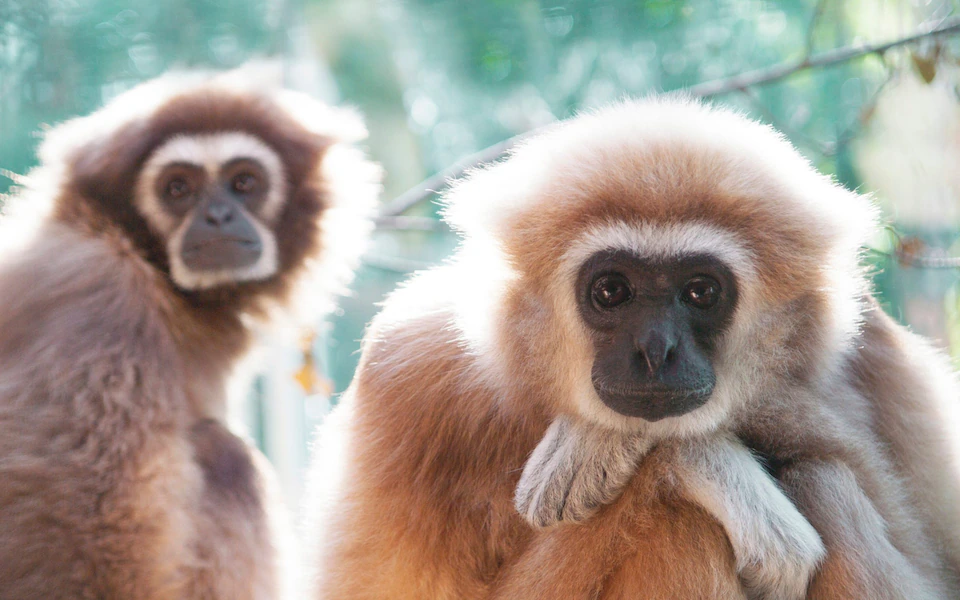
Huay Xai: Gateway to Northern Laos
At first glance, Huay Xai might appear to be a quiet border town, but it’s one of Laos’ most underrated entry points. Rather than starting in the capital, diving straight into northern Laos allows you to experience the country’s forests, rivers, and wildlife in all their pristine glory. Here, adventure begins in the treetops—literally.
The Gibbon Experience is the perfect introduction to Laos’ wild north. Originally launched to combat illegal logging and protect the ancient Bokeo forest, the project now offers 15 km of zip-lines that weave between forest canopies and connect some of the world’s highest treehouse accommodations, perched atop 40-meter-tall strangler fig trees. As you glide through the jungle, keep your eyes peeled for the black crested gibbon, an endangered primate native to the region. The park’s programs support reforestation and local aid initiatives, making your adventure meaningful as well as exhilarating.
Two- or three-day packages, costing approximately £170–£280, include jungle hikes, zip-lining, and nights in treetop lodges. The experience is immersive, challenging, and unforgettable—perfect for starting your Laos journey with a sense of awe.
After returning to solid ground, check in at the Over the Moon Hostel, one of Huay Xai’s nicest riverside accommodations. In the evening, head to BAD Bar, a rooftop spot offering tropical fruit daiquiris and the iconic Beerlao, while watching the Mekong glide silently below. Before bedtime, book your slow boat journey to Luang Prabang, setting the stage for the next stage of your adventure.
Slow Boat to Luang Prabang
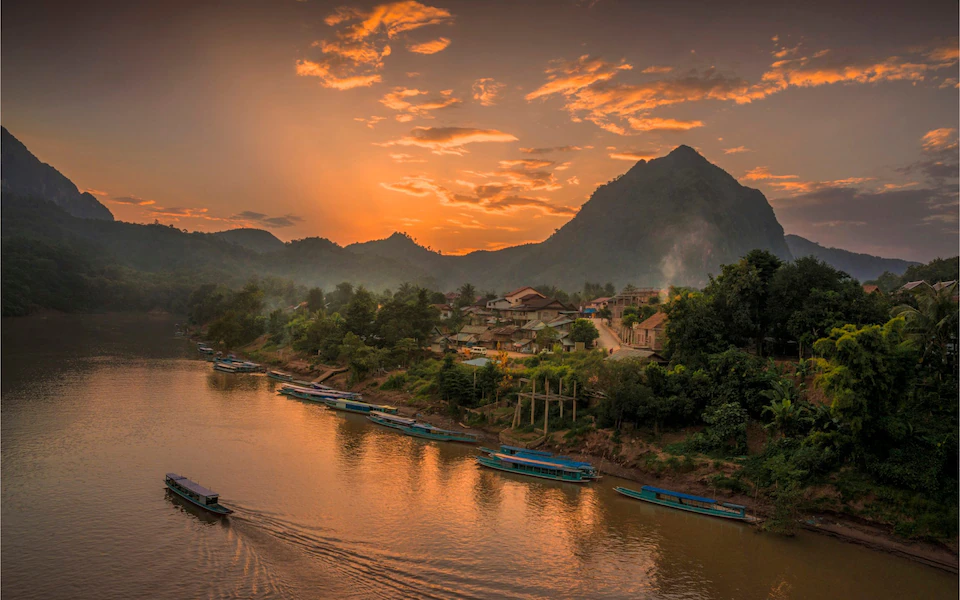
The slow boat from Huay Xai to Luang Prabang is one of Laos’ most iconic travel experiences. Unlike speedboats that complete the trip in a single day, the two-day journey follows the Mekong River at a leisurely pace, winding through dense jungle, remote villages, and limestone cliffs. It’s a chance to soak in the scenery, witness daily life along the river, and escape the rush of modern travel.
On day one, the boat glides to the remote village of Pakbeng, stopping at piers along the way to pick up and drop off passengers, provisions, and occasionally a live chicken or two. Overnight stays at the simple guesthouses included in your ticket provide basic comfort, but for a more luxurious experience, consider Sanctuary Pakbeng Lodge, with stilted villas overlooking the river and modern amenities.
The next morning, the boat departs early, cruising through untouched jungle before arriving in Luang Prabang by early afternoon. This timing allows you to check into your accommodation and spend half a day exploring the city’s golden temples, Buddhist rituals, and lively markets—an introduction to the spiritual and cultural heart of Laos.
Day 4–5: Luang Prabang – A City of Wonder
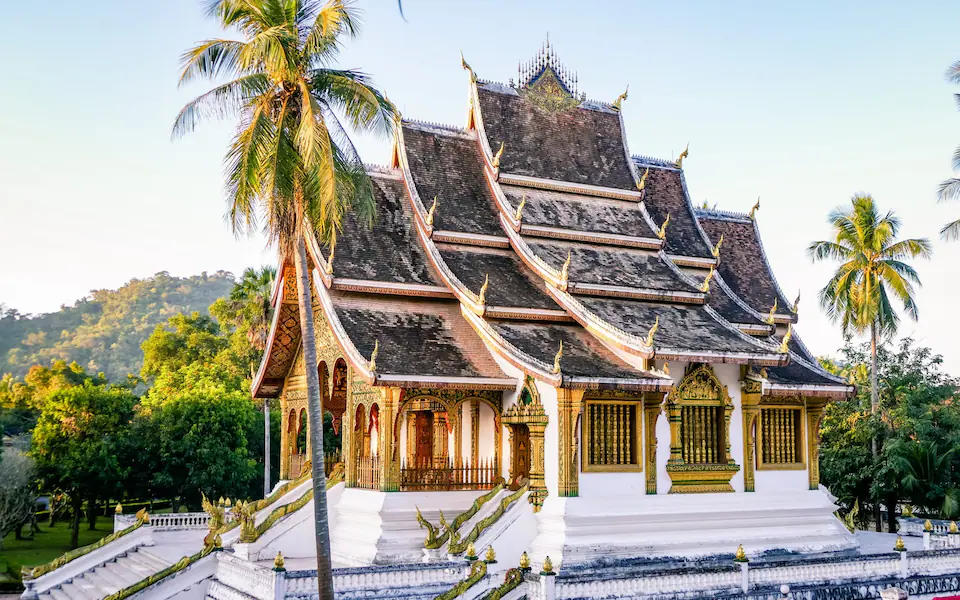
Exploring the Heart of Laos
Luang Prabang, Laos’ former royal capital and a UNESCO World Heritage town, is one of the country’s most iconic destinations. While small on a map, it brims with hidden treasures, ethereal spiritual charm, and vibrant local life. If your time is limited, focus on the Old Town, where streets glisten with golden temples and stupas, and French colonial buildings are draped with fragrant frangipani flowers—a combination that perfectly captures the essence of Laos.
Begin your first morning at the Morning Market, which comes alive as early as 5 a.m. Sample local delicacies such as steaming bowls of noodles or buffalo skin snacks while soaking in the bustling atmosphere. Then, spend the morning exploring the magnificent Wat Xieng Thong, one of Luang Prabang’s most stunning gold-clad Buddhist monasteries, followed by a visit to the 18th-century Wat May Souvannapoumaram. By mid-morning, the Royal Palace Museum opens its doors, offering insight into the history and culture of this former royal kingdom. Conclude the day with a hands-on cooking class at Tamarind, where you can learn to prepare traditional Lao dishes in an interactive, local setting.
Caves and River Adventures
A short journey north of Luang Prabang leads to the sacred Pak Ou Caves, perched along the Mekong River. Housing thousands of Buddha statues left by generations of pilgrims, these limestone caves are among Laos’ most revered spiritual sites and are believed to have been used as shrines as far back as the 8th century.
To reach Pak Ou, you can rent a bike and explore riverside villages along the way, or join a shared longboat tour for a more scenic option. Many tours include a stop at Xang Hai Whisky Village, where you can sample the locally distilled rice whisky while enjoying stunning views of the riverbanks.
Back in Luang Prabang, extend the river experience with a romantic three-hour dinner cruise aboard River Sun Laos. As the Mekong glimmers under the sunset, enjoy traditional Lao dance performances, delicious cuisine, and even champagne under the stars—a magical end to your day.
Optional Detour: Phonsavan & the Plain of Jars
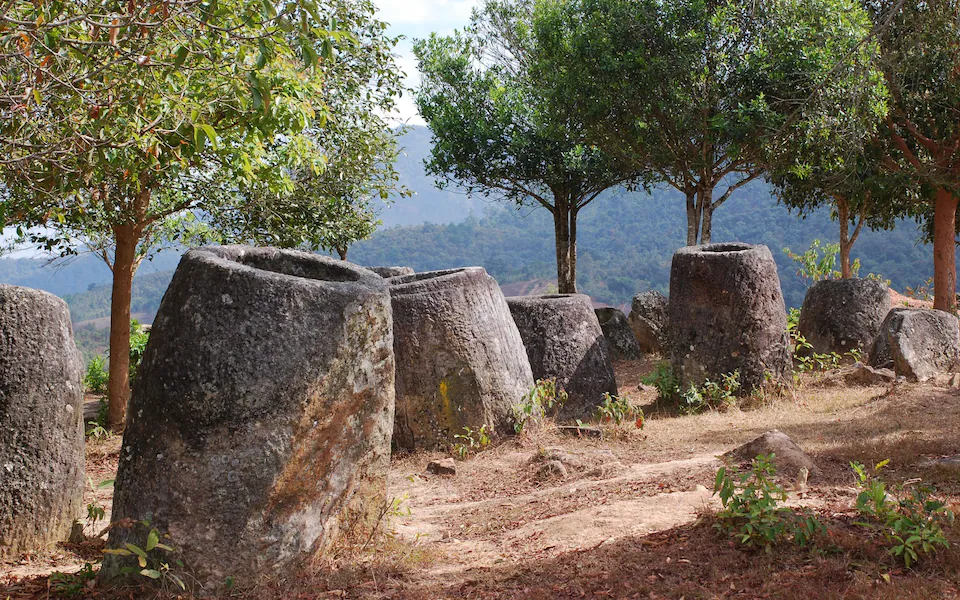
For travelers with extra time, a detour to Phonsavan offers a glimpse into one of Southeast Asia’s most enigmatic archaeological sites: the Plain of Jars. Scattered across the plateau are thousands of mysterious stone jars, dating back over 2,000 years, whose origins remain unknown.
Exploring on foot is possible, but stick to marked trails, as unexploded ordnance (UXOs) still linger in parts of the landscape—a sobering reminder that Laos is the most heavily bombed country in the world per capita. For those willing to venture off the main path, this hauntingly beautiful site is both culturally significant and deeply memorable.
Day 6–7: Vang Vieng – A Natural Playground
Just a 45-minute ride on the Boten–Vientiane Railway (built by China) from Luang Prabang, Vang Vieng has reinvented itself from its party-town reputation into a hub for outdoor adventure and natural beauty. Once famous for drunken tubing along the Nam Song River, the town has now shifted toward more tranquil and active experiences. Kayaking, longtail boat tours, and scenic river cruises allow visitors to enjoy the river at a slower, safer pace.
Surrounded by towering limestone karsts, each formation hides lagoons, caves, and trails that beckon exploration. Tham None is a hotspot, offering caves, lagoons, and zipline adventures, while the famous Blue Lagoon 1 and Blue Lagoon 3 provide crystal-clear, spring-fed pools perfect for swimming and relaxing in nature.
For thrill-seekers, Vang Vieng offers a wide variety of activities: hot air ballooning with Above Laos, paragliding, zip-lining, and some of Southeast Asia’s best rock climbing spots. Culinary enthusiasts can join cooking classes to master Lao cuisine, while travelers looking to give back can stay at The Academy Training Hotel & Restaurant, where local students practice running a hotel with you as their guest and evaluator—a unique cultural exchange.
Vang Vieng is a playground for nature lovers, adrenaline junkies, and those seeking serene landscapes all in one.
Day 8–9: Vientiane – Laos’ Calm Capital
Another short ride on the bullet train—or a bus ride—brings you to Vientiane, Laos’ laid-back capital. Pronounced Wiang Chan, the city is calm, village-like, and a stark contrast to the bustling capitals of neighboring countries. Its charm lies in its relaxed pace, wide boulevards, and riverside scenery, making it easy to explore in a day or two.
Start in the tourist quarter, which stretches along the banks of Hat Don Chan River Beach. Nearby, Chao Anouvong Park transforms into the city’s largest night market at sunset, offering local food, crafts, and lively evening entertainment.
Vientiane’s top sights can be comfortably visited in a single day. Begin at the Patuxai Victory Monument, where the upper platform provides panoramic views of the city. From there, explore local markets or book onward travel from one of the many tour operators lining the promenade. If time allows, pay respects at Wat Sisaket, the city’s oldest surviving temple, renowned for its thousands of Buddha statues and serene cloisters. Conclude the day with a rooftop drink at 7th Heaven, one of Vientiane’s best bars, offering a perfect vantage point to watch the city glow at dusk.
Day 10–11: Kong Lor Cave – The Hidden River
The next adventure takes you deep into central Laos. Organizing a direct transfer from Vientiane to Tham Kong Lor is the quickest way to reach this natural wonder, though be prepared for a six- to eight-hour scenic drive. The journey itself is mesmerizing, cutting through dramatic limestone karsts, lush forests, and the remote landscapes of Phu Hin Bun National Protected Area.
At the heart of this protected area lies Kong Lor Cave, one of the longest single-river navigable caves in the world, second only to Vietnam’s Hang Sơn Đoòng. The main attraction is a 7.5 km boat ride through the underground river, where only a flickering headlamp and your imagination illuminate the cavern’s towering stalactites and otherworldly formations. The experience feels like venturing into another world—a mysterious subterranean river that seems suspended in time.
After exploring the cave, you can choose to return the same day or spend a night in one of the nearby lodgings. SpringRiver Resort is highly recommended, offering options from rustic bamboo cabins to luxurious river villas. Guests can take a kayak out onto the river to explore the mist-shrouded lagoons connecting underground springs to the Hinboun River—a serene and magical way to end the day.
Day 12: Savannakhet – Laos’ Hip Second City
When you finally leave the paradisiacal surroundings of Kong Lor, head to Savannakhet, Laos’ second-largest city. A long bus ride brings you to this lively urban hub, known for its vibrant markets, hip cafes, and a steady stream of Thailand-expat travelers.
History enthusiasts will enjoy the Savannakhet Museum, which features exhibitions on Kaysone Phomvihane, the first secretary of the Lao People’s Revolutionary Party who led Laos in 1975. Meanwhile, the Lao Artisan Association and the area around Laochaleun Square—a converted cinema—offer a taste of the city’s creative energy, with market stalls, street performers, and local crafts coming alive in the evening.
The city’s riverfront is a sensory delight, with stalls selling Kaeng Nor Mai (a fragrant stew of bamboo shoots and offal), grilled meat sticks with mala spices imported from China, and other Lao delicacies. French colonial-era townhouses now house trendy bars and restaurants, including Savan Reggae and Señorita Bar along Khantabouli Road, creating a fascinating blend of history, culture, and modern leisure.
Day 13–14: Pakse – The Grand Finale
Pakse, in southern Laos, provides the perfect natural ending to your two-week journey. Nestled among lush forests, flowing rivers, and dramatic waterfalls, it’s a paradise for nature lovers, adventure seekers, and those looking to unwind in serene surroundings. Over these final two days, hire a motorbike or arrange a driver through your hotel to explore either the Bolaven Plateau, Si Phan Don (4,000 Islands), or both, if your schedule allows.
Bolaven Plateau: Waterfalls and Coffee Plantations
The Bolaven Plateau is a serene retreat, renowned for its world-class waterfalls and fertile coffee plantations. The twin cascades of Tad Fane are an absolute must-see, plunging dramatically into deep jungle canyons. Other notable falls include Tad Halang, Tad Yuang, and the spectacular multi-tiered Tad Lo, which is perfect for photography and a refreshing dip. Beyond waterfalls, the plateau is dotted with coffee farms where visitors can taste and buy some of Laos’ finest beans while learning about traditional cultivation methods.
Si Phan Don: The 4,000 Islands
If you head east, Si Phan Don, or the 4,000 Islands, is by far southern Laos’ most iconic natural attraction. Here, thousands of riverine islands scatter across the swollen Mekong River, creating a lush, tranquil archipelago. Don Det is the busiest backpacker hub in the region, offering riverside bungalows, cafés, and bike rentals. For an immersive experience, join Mr. Lek Kayak Tours to explore the islands up close, glide past waterfalls, and perhaps spot freshwater dolphins in the wild.
Once you’ve soaked in the region’s beauty, you have several onward options: continue your adventure south into Cambodia, cross into Thailand via the Chong Mek Border for a shuttle to Ubon Ratchathani, or return to Savannakhet for an internal flight to Vientiane’s Wattay International Airport.
How to Do It
- Transport: Motorbikes or private drivers are the easiest ways to explore Pakse, Bolaven Plateau, and Si Phan Don.
- Accommodation: From riverside bungalows on Don Det to riverside resorts and boutique hotels in Pakse, there’s an option for every budget.
- Activities: Waterfall treks, coffee farm tours, kayaking, island hopping, and cycling provide the perfect mix of adventure and relaxation.
When to Go
The best time to visit Laos is during the cooler, dry season from November to February. During these months, temperatures are pleasant, rainfall is minimal, and the country is vibrant with cultural and natural life. While days are warm and tropical, evenings—especially in the mountains—can be chilly, so packing a light jacket is recommended.
Avoid March to April, when slash-and-burn agriculture fills the country with haze, significantly reducing air quality. Monsoon season (June–October) brings heavy rains that transform the countryside into lush greenery and make waterfalls flow abundantly, but many tourist attractions close temporarily, and travel conditions can be challenging.
10 Best Hikes In Acadia National Park, Maine
FAQ’s
What is the best time to visit Laos?
The ideal time to visit Laos is during the cool, dry season from November to February, when temperatures are pleasant, rainfall is minimal, and outdoor activities are most enjoyable. Avoid March–April due to haze and June–October due to monsoon rains.
How long should I spend in Laos for a complete trip?
A two-week itinerary is perfect to explore northern, central, and southern Laos, including Luang Prabang, Vang Vieng, Vientiane, Kong Lor Cave, Bolaven Plateau, and Si Phan Don. Shorter trips can focus on either the north or south.
What is the best way to travel between cities in Laos?
Bullet trains, buses, and private transfers are common. For scenic and immersive experiences, consider slow boats along the Mekong or hiring a driver/motorbike for flexible exploration of regions like the Bolaven Plateau and Si Phan Don.
Is Laos safe for travelers?
Laos is generally safe for tourists, but exercise caution when exploring remote areas. Avoid unmarked trails due to unexploded ordnance (UXOs) in certain regions like Phonsavan, and be careful when swimming in rivers or waterfalls.
What are the must-see attractions in Laos?
Top highlights include Luang Prabang’s temples and markets, Gibbon Experience in Huay Xai, Vang Vieng’s karsts and Blue Lagoons, Kong Lor Cave, Bolaven Plateau waterfalls, and the 4,000 Islands (Si Phan Don) for river island exploration.
What kind of accommodations can I expect in Laos?
Laos offers a variety of options, from budget guesthouses and bamboo cabins to riverside resorts, boutique hotels, and luxurious stilted villas. Many rural areas offer simple stays with local charm, while cities like Luang Prabang and Pakse have higher-end accommodations.
What should I pack for a trip to Laos?
Bring light, breathable clothing for daytime, a jacket for cooler evenings, comfortable shoes for trekking and exploring, swimwear for waterfalls and lagoons, and essentials like sunscreen, insect repellent, and a reusable water bottle.
Conclusion
Laos is a country of timeless beauty, where lush jungles, serene rivers, majestic waterfalls, and ancient temples coexist in perfect harmony. From the spiritual charm of Luang Prabang to the thrilling adventures of Vang Vieng, the mysterious depths of Kong Lor Cave, and the natural splendor of the Bolaven Plateau and 4,000 Islands, every corner of Laos offers unforgettable experiences. With its warm, welcoming people and unspoiled landscapes, Laos invites travelers to slow down, immerse themselves in local culture, and create memories that will last a lifetime. Whether seeking adventure, relaxation, or spiritual insight, a journey through Laos is a truly transformative experience.
