


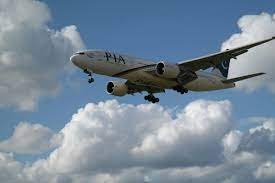
In a historic televised auction, a powerful consortium led by Pakistani tycoon Arif Habib has emerged as the winning bidder for a controlling 75% stake in the beleaguered Pakistan International Airlines (PIA). The high-stakes bidding war, broadcast live to a national audience, marks a critical breakthrough in the government’s long-delayed and politically sensitive privatization program.
The Habib-led group clinched the deal with a final bid of 135 billion Pakistani rupees ($482.32 million), outlasting a rival consortium headed by industrial giant Lucky Cement. The successful auction follows a failed attempt last year and forms a cornerstone of economic reforms mandated under Pakistan’s $7 billion International Monetary Fund (IMF) bailout agreement.
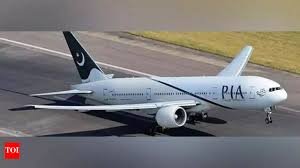
“This is a victory for Pakistan’s economic future,” declared Shahid Habib, CEO of Arif Habib Limited, immediately following the tense auction. “Our consortium is committed to a comprehensive revival plan. We will inject capital, enhance operational efficiency, and work tirelessly to restore PIA to its former stature as one of the world’s respected airlines.”
The transaction structure requires the winning consortium to pay 67% of the bid amount within the next 90 to 120 days, with the remaining balance due a year later. The government has stated it is open to selling its entire remaining stake, with any share above 75% subject to a 15% premium.
A Theatrical and Strategic Turnaround
Tuesday’s auction was a stark contrast to last year’s disappointment. In a carefully orchestrated ceremony, sealed bids from three contenders—the Arif Habib consortium, the Lucky Cement consortium, and private airline Air Blue—were placed in a transparent box bearing Pakistan’s national emblem. Before a gathering of cabinet ministers and a live television audience, officials cut open the box with scissors and unveiled the offers, initiating a rapid-fire bidding round between the top two contenders.
Air Blue’s offer of $95 million fell below the government’s confidential reserve price of approximately $357 million, leaving the two industrial conglomerates to duel for the flag carrier.
The successful sale represents the first major privatization in Pakistan in nearly two decades and follows a concerted government effort to make PIA an attractive asset. Key preparatory steps included:
Debt Assumption: The government absorbed PIA’s crippling legacy debt, estimated at hundreds of billions of rupees, clearing a major hurdle for potential investors.
Regulatory Clearance: Critical bans imposed by the United Kingdom and the European Union over safety concerns were lifted earlier this year, reopening lucrative routes to Europe.
Operational Improvement: The airline recently reported its first pre-tax profit in over two decades, signaling a potential turnaround.
“The transparent and competitive nature of this auction demonstrates our serious commitment to reforming the state-owned enterprise sector,” said Muhammad Ali, Adviser to the Prime Minister on Privatisation. “The proceeds and the resulting efficiency gains will strengthen the national exchequer and benefit the people of Pakistan.”
A Broader Reform Agenda
The PIA sale is the flagship transaction in a broader privatization drive targeting multiple state-owned white elephants, including two major power distribution companies (DISCOs) and several national banks. The IMF program has consistently emphasized privatization as a key measure to curb fiscal deficits and stimulate economic growth.
While the winning bid has been secured, analysts caution that the true challenge begins now. “The acquisition is just step one,” said independent economist Saad Hashemy. “The consortium faces the monumental task of modernizing PIA’s aging fleet, reforming its corporate culture, navigating intense regional competition, and delivering on promises of global service quality. The financial commitment today is just the first installment of a much larger investment that will be required.”
Read More:Pakistan Privatises National Airline PIA in Major Deal
Frequently Asked Questions
Who exactly is in the winning Arif Habib consortium?
While the full composition has not been officially disclosed, the consortium is led by Arif Habib Corporation, a sprawling conglomerate with core interests in financial services, asset management, energy, and real estate. It is widely reported to include other major Pakistani industrial families and institutional investors. The specific equity structure and management plan are expected to be detailed in the coming weeks.
What happens to PIA’s existing employees?
Employee unions have expressed anxiety about potential job cuts. The government has previously stated that the sale agreement includes protections for existing employees for a defined period. However, the new owners will likely seek voluntary separation schemes and operational restructuring to improve productivity. The final impact will depend on the consortium’s business plan and negotiations with labor representatives.
Why was this attempt successful after last year’s failure?
Two major factors changed. First, the government significantly improved the asset by removing debt and securing the lifting of EU/UK bans. Second, the marketing and transaction structure were more robust, attracting serious industrial groups rather than speculative investors. The setting of a realistic reserve price also ensured genuine competition.
How will this affect airfares and routes for passengers?
In the short term, major changes are unlikely. Over the medium term, the new management is expected to rationalize unprofitable routes and potentially expand on profitable domestic and international corridors (especially to the UK and Europe). The stated goal is to improve service quality. While competitive pricing will remain, the focus on profitability may lead to a reduction in heavy discounting.
What safeguards are in place to ensure the consortium fulfills its commitments?
The legally binding Share Purchase Agreement (SPA) will include strict payment schedules, performance guarantees, and minimum investment commitments. The government’s Privatisation Commission will monitor compliance. Failure to meet obligations could result in financial penalties or even forfeiture of the stake.
What is the government’s long-term plan for its remaining shares?
The government will retain a 25% minority stake for now. The adviser on privatisation has indicated that the entire stake is for sale at the right price. The remaining shares could be gradually sold on the stock market once the airline’s turnaround is evident, allowing the public to participate in its potential success.
Conclusion
The successful privatization of Pakistan International Airlines is more than a financial transaction; it is a profound shift in economic policy and a test of Pakistan’s reform resolve. By concluding a competitive sale for its most iconic and troubled state asset, the government has demonstrated a tangible commitment to breaking the cycle of fiscal drains that have long hampered the economy.
