


Remote Jobs for Paralegals have become a practical career option as law firms, corporate legal departments, compliance teams, and legal-service companies move more research, document management, client communication, and case preparation into digital workflows. Many traditional paralegal duties—including legal research, drafting documents, reviewing records, managing deadlines, and organizing case files—can now be completed without working in a law office every day. The broader legal sector has embraced flexible work as well: U.S. Bureau of Labor Statistics data for 2025 shows that routine telework was allowed for 58.2% of workers across legal occupations.
Choosing the right remote paralegal job depends on more than simply finding a position labeled “work from home.” Some legal specialties translate to remote work much better than others because their daily responsibilities are heavily based on research, electronic documents, databases, contracts, and virtual communication. Litigation support, corporate law, immigration, intellectual property, compliance, contract management, and e-discovery are among the areas where experienced paralegals can build strong remote careers while continuing to work under attorney supervision.
Why Remote Paralegal Work Is Growing
Technology has changed how legal teams organize and complete everyday work.
Cloud-based document systems, electronic court filing, video meetings, digital signatures, legal research databases, and online case-management platforms make it possible for many legal support tasks to be performed from almost anywhere.
A 2024 survey discussed by the American Bar Association found that 82% of the participating paralegals and legal assistants worked remotely in some capacity. About 32% described themselves as completely remote, although the survey involved only 28 participants and should not be treated as representative of the entire profession.
What Paralegals Can Do From Home
Many core paralegal responsibilities require concentration and access to information rather than a physical office.
The Bureau of Labor Statistics lists common duties such as:
- researching laws and regulations
- investigating case facts
- organizing legal records
- preparing correspondence and legal documents
- reviewing trial transcripts
- filing legal materials
- coordinating meetings and depositions
- communicating with clients and witnesses
A substantial portion of this work can potentially be handled through secure remote systems, depending on the employer and practice area.
1. Remote Litigation Paralegal
Litigation is one of the largest areas of paralegal employment.
A remote litigation paralegal supports attorneys handling lawsuits, disputes, hearings, discovery, and trial preparation.
Typical Responsibilities
Remote litigation work may include:
- preparing pleadings and correspondence
- organizing discovery materials
- maintaining case calendars
- researching court rules
- reviewing deposition transcripts
- preparing exhibits
- communicating with clients
- coordinating depositions
- tracking filing deadlines
- electronically filing court documents
BLS identifies legal research, document drafting, evidence gathering, filing, and trial preparation as common litigation-related paralegal responsibilities.
Who Is It Best For?
Litigation can suit paralegals who enjoy fast-moving cases and structured deadlines.
It generally requires excellent organization because one employee may be responsible for documents and deadlines across several matters simultaneously.

Remote litigation paralegals also need to communicate reliably with attorneys because missing a filing date or failing to update a case record can have serious consequences.
2. Corporate Paralegal
Corporate paralegal work can be particularly compatible with remote arrangements because much of it revolves around documents, transactions, corporate records, and compliance requirements.
Instead of supporting courtroom litigation, corporate paralegals typically assist lawyers working with businesses.
Common Corporate Paralegal Tasks
A remote corporate paralegal may help with:
- maintaining corporate records
- preparing resolutions
- reviewing business documents
- organizing transaction files
- managing entity records
- tracking regulatory deadlines
- assisting with mergers or acquisitions
- preparing corporate filings
- coordinating signatures
- supporting due diligence
Indeed’s updated 2026 career material identifies corporate law as one of the established areas in which paralegals can specialize.
Why It Works Well Remotely
Corporate legal work often involves documents that are already stored electronically.
A paralegal who can securely access company records, contract-management platforms, government filing systems, and internal legal databases may be able to perform much of the role remotely.
3. Immigration Paralegal
Immigration law creates another potential path for remote paralegals.
Much of the work involves collecting information, organizing supporting evidence, preparing forms, monitoring deadlines, and communicating with clients.
What Remote Immigration Paralegals Do
Responsibilities may include:
- collecting client documents
- preparing immigration forms for attorney review
- organizing supporting evidence
- monitoring case status
- maintaining digital case files
- communicating filing requirements
- scheduling appointments
- assisting attorneys with petitions and applications
Because immigration cases often involve clients located in different cities or countries, virtual communication can already be a normal part of the workflow.
Important Communication Skills
Immigration work frequently involves clients who may be unfamiliar with the legal process.
Clear communication therefore matters.
Paralegals must know how to explain document requests and procedural steps without crossing the line into providing legal advice independently. Paralegals generally perform substantive legal work under attorney supervision rather than practicing law themselves.
4. Intellectual Property Paralegal
Intellectual property, or IP, is another specialty that can translate effectively into remote work.
IP paralegals may support attorneys dealing with trademarks, patents, copyrights, licensing, or intellectual-property disputes.
Common Remote IP Tasks
Depending on the practice, responsibilities may include:
- maintaining trademark portfolios
- tracking renewal dates
- preparing filing materials
- conducting database searches
- managing correspondence
- organizing intellectual-property records
- coordinating with clients
- monitoring application deadlines
Much of this work is deadline-driven and database-based, which can make it suitable for professionals who prefer highly structured remote work.
Best Skills for IP Paralegals
Attention to detail is particularly important.
A single company may have dozens or hundreds of trademarks, applications, registrations, and renewal dates.
The BLS identifies attention to detail, organization, communication, and research ability as core qualities for paralegal work generally.
5. Contract Paralegal
Contract work is one of the most natural areas for remote legal support.
Businesses constantly create and manage agreements with customers, suppliers, employees, contractors, technology providers, landlords, and business partners.
What a Contract Paralegal May Handle
Tasks can include:
- organizing agreements
- preparing templates
- entering contract information into databases
- tracking renewal dates
- reviewing documents for missing information
- coordinating signatures
- maintaining executed agreements
- comparing versions
- supporting attorney contract review
The attorney remains responsible for legal judgment while the paralegal helps manage the document-heavy workflow.
Why Companies Need Contract Support
Organizations with hundreds or thousands of agreements need reliable systems for finding important terms and tracking obligations.
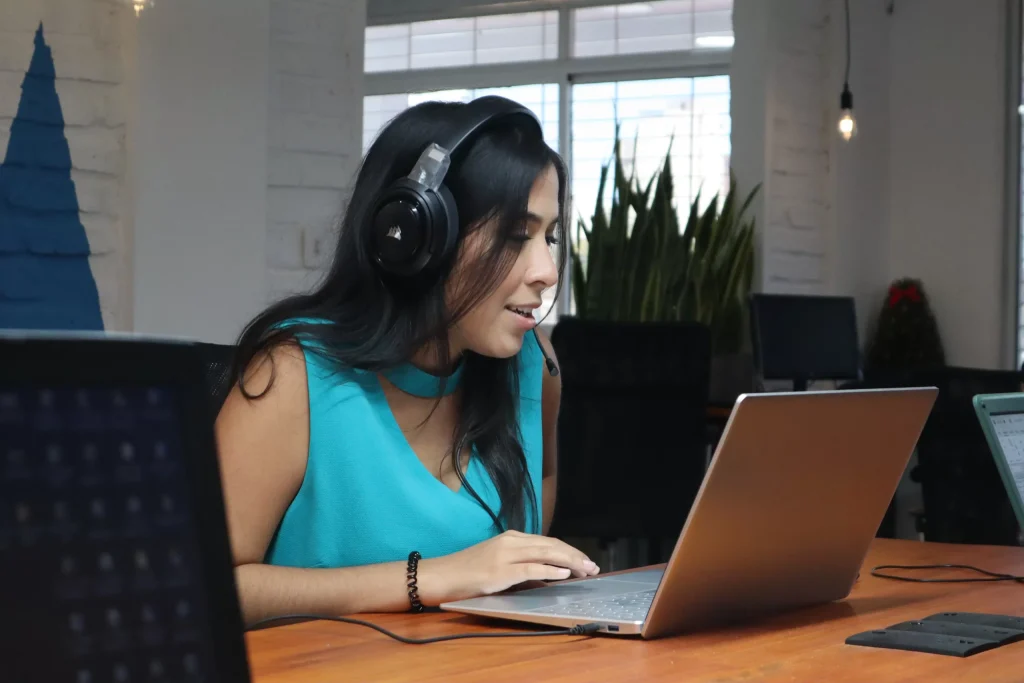
A capable remote paralegal can help maintain that structure without needing daily physical access to an office.
6. Compliance Paralegal
Paralegals do not have to work exclusively for traditional law firms.
Companies in regulated industries also employ legal and compliance support professionals.
The BLS reports that finance and insurance is one of the industries employing paralegals and legal assistants.
Typical Compliance Tasks
Remote compliance paralegal work may involve:
- researching regulatory requirements
- maintaining compliance records
- reviewing internal documentation
- monitoring filing dates
- assisting with audits
- preparing reports
- tracking policy updates
- maintaining licensing records
The exact responsibilities vary significantly by industry.
Who Should Consider Compliance?
This path can appeal to paralegals who prefer ongoing business operations over courtroom disputes.
It may also suit professionals with experience in areas such as finance, healthcare, insurance, privacy, employment, or corporate governance.
7. E-Discovery Paralegal
E-discovery has become an increasingly technology-focused part of litigation.
Modern lawsuits can involve enormous quantities of emails, documents, messages, spreadsheets, databases, and other electronically stored information.
Legal teams need people who can help organize that material efficiently.
What an E-Discovery Paralegal Does
Responsibilities may include:
- organizing electronic evidence
- reviewing documents
- identifying relevant records
- preparing document productions
- maintaining databases
- applying document tags
- tracking discovery requests
- supporting attorneys during evidence review
Because the underlying material is often digital, e-discovery can be especially compatible with remote environments.
Technology Skills Matter
An e-discovery paralegal should be comfortable learning specialized software.
Database searching, document coding, file organization, quality control, and secure data handling may be as important as traditional administrative skills.
8. Legal Research Paralegal
Strong researchers can build remote careers centered primarily on legal information.
BLS specifically identifies legal research as one of the standard responsibilities of paralegals and legal assistants.
Remote Research Responsibilities
A research-focused paralegal might:
- locate relevant statutes
- research regulations
- find court decisions
- summarize legal authorities
- prepare case chronologies
- investigate factual issues
- review public records
- prepare research memoranda for attorneys
Because legal databases are largely digital, physical presence may be less important for this type of work than in positions requiring frequent courtroom attendance.
Strong Writing Is an Advantage
Research becomes more valuable when the results can be communicated clearly.
Remote paralegals should be able to turn complicated information into concise summaries that attorneys can quickly review.
9. Real Estate Paralegal
Real estate legal work also contains many document-based responsibilities.
Remote opportunities may be available with law firms, title businesses, lenders, property companies, or corporate legal departments depending on local requirements.
Possible Responsibilities
A real estate paralegal may help:
- review transaction documents
- organize closing files
- conduct title-related research
- maintain property records
- prepare correspondence
- coordinate signatures
- track transaction deadlines
- communicate with lenders and clients
Some transactions still require physical coordination, so real estate positions may be more likely to use hybrid arrangements than fully remote work in certain markets.
10. Virtual or Freelance Paralegal
Experienced paralegals may also work on a contract basis rather than as traditional employees.
A virtual paralegal can provide remote support to one or several attorneys or law firms.
Services Virtual Paralegals May Provide
Depending on their experience and jurisdiction, they may support attorneys with:
- legal research
- document preparation
- case organization
- discovery management
- contract administration
- client intake
- calendaring
- records management
The key distinction is that paralegals remain legal support professionals and generally cannot independently provide legal advice or represent clients as attorneys.
Freelancing Requires More Independence
Freelance work usually requires more than legal knowledge.
Professionals may also need to manage:
- client relationships
- invoicing
- schedules
- software subscriptions
- data security
- contracts
- taxes
- workload planning
It can offer flexibility, but it also transfers more business responsibility to the individual paralegal.
Which Remote Paralegal Jobs Are Best for Beginners?
Not every remote position is ideal for someone entering the profession.
Employers may be more comfortable allowing experienced paralegals to work independently because they already understand procedures, deadlines, confidentiality, and attorney expectations.
However, entry-level remote positions do exist.
Good Starting Areas
Beginners may want to look for positions involving:
- legal intake
- document organization
- case management support
- immigration case assistance
- contract administration
- legal research assistance
- corporate records
- administrative legal support
Structured positions with clear supervision can be especially useful while building professional experience.
What Qualifications Do Remote Paralegals Need?
Education requirements vary by employer.
According to the Bureau of Labor Statistics, paralegals and legal assistants typically enter the occupation with an associate’s degree or certificate in paralegal studies. Some employers prefer bachelor’s degrees, while others may consider applicants with relevant experience.
Certification Can Strengthen a Resume
Professional certification is not universally required.
However, BLS notes that some employers prefer or require candidates who have completed paralegal certification.
For remote candidates competing across a wider geographic market, additional credentials and specialized experience may help differentiate an application.
Skills Needed for Remote Paralegal Work
Remote work requires the same legal support abilities as office-based paralegal work, plus greater independence with communication and technology.
Legal Research and Writing
Paralegals should be able to locate relevant information and present it clearly.
Research and written communication are among the core capabilities identified by BLS for the profession.
Organization
A home office does not make deadlines less important.
Remote paralegals may need to manage several matters while keeping track of filings, meetings, documents, and attorney requests without frequent in-person reminders.
Digital Communication
Email, video meetings, messaging platforms, and case-management systems become essential when coworkers are not in the same building.
Remote workers need to communicate progress clearly and raise problems early.
Confidentiality and Cybersecurity
Legal professionals regularly handle confidential and sensitive information.
The American Bar Association’s discussion of remote paralegal work highlights data security and confidentiality as important concerns when legal employees work outside traditional offices.
Paralegals should follow employer policies on devices, passwords, document sharing, private workspaces, and secure connections.
How Much Can a Paralegal Earn?
Compensation varies based on experience, specialty, location, employer, and responsibilities.
The latest BLS Occupational Outlook Handbook data reports a median annual wage of $61,010 for paralegals and legal assistants in May 2024. The highest-paid 10% earned more than $98,990.
Industry Can Affect Pay
BLS reported median annual wages of:
- $77,940 in the federal government
- $76,960 in finance and insurance
- $60,990 in local government
- $59,800 in legal services
- $56,280 in state government
These figures cover paralegals generally and should not be interpreted as remote-specific salaries.
What Is the Job Outlook for Paralegals?
BLS projects employment of paralegals and legal assistants to show little or no overall change from 2024 through 2034.
That flat growth rate does not mean jobs will disappear.
BLS still projects approximately 39,300 openings per year, on average, mainly because employers will need replacements for workers who leave the profession or labor force.
AI Is Changing Paralegal Work
Artificial intelligence is also affecting legal support roles.
BLS notes that AI and other technologies may make paralegals more efficient at activities such as research and document preparation, potentially limiting overall employment growth.
That makes specialized knowledge increasingly valuable.
Paralegals who combine legal experience with technology, e-discovery, compliance, contract management, or a specific practice area may be better positioned than those whose work consists only of routine administrative tasks.
How to Find a Good Remote Paralegal Job
Searching only for “remote paralegal” may miss relevant opportunities.
Employers can use several different job titles for similar work.
Search Multiple Job Titles
Useful search terms can include:
- remote paralegal
- virtual paralegal
- remote legal assistant
- litigation paralegal
- corporate paralegal
- contract specialist
- legal operations specialist
- e-discovery specialist
- compliance paralegal
- immigration paralegal
- remote legal researcher
Read the actual responsibilities rather than relying only on the title.
Tailor Your Resume to the Specialty
A litigation employer wants different experience from a corporate legal department.
Highlight tools, practice areas, filing systems, research skills, contract experience, case-management software, and measurable responsibilities that directly match the position.
Show That You Can Work Independently
Employers hiring remotely need confidence that the employee will remain organized without constant supervision.
Examples of independently managing deadlines, complex document collections, large caseloads, or attorney projects can make a remote application stronger.
Advantages of Remote Paralegal Careers
Remote work can provide meaningful benefits for the right professional.
Greater Geographic Flexibility
A remote position may allow candidates to consider employers outside their immediate commuting area, although state laws, employer policies, tax rules, or occasional office requirements can still restrict where an employee may live.
Reduced Commuting
Working from home can remove or reduce daily commuting time.
For employees with long commutes, that can make the workday significantly easier to manage.
More Career Options
A paralegal in a smaller local market may gain access to specialized employers that would otherwise require relocation.
Remote work can therefore broaden the range of practice areas worth considering.
Challenges of Working as a Remote Paralegal
Working from home is not automatically easier.
Legal work involves deadlines, confidential documents, and frequent collaboration.
Communication Can Become Harder
Remote employees cannot simply walk into an attorney’s office whenever a question appears.
Communication systems and expectations need to be clear.
The ABA has identified communication difficulties as one potential challenge associated with remote paralegal work.
Confidentiality Requires Extra Care
Working from a kitchen table in a busy household is different from working inside a controlled law office.
Client records, conversations, printed documents, and computer screens need to remain protected.
Remote Work Can Feel Isolating
The ABA’s discussion of remote paralegals also notes that remote employees may miss the social interaction of traditional workplaces.
Professionals who value constant face-to-face interaction may prefer hybrid arrangements.
Which Remote Paralegal Job Is Best?
There is no single best option for every paralegal.
The right specialty depends on experience, personality, technical ability, and long-term career goals.
Choose Litigation If You Like Deadlines
Litigation can be a strong choice for people who enjoy active cases, research, discovery, and procedural work.
Choose Corporate or Contracts for Business-Focused Work
Corporate and contract roles can appeal to professionals who prefer transactions and business operations instead of court disputes.
Choose E-Discovery If You Enjoy Technology
E-discovery combines legal support with databases, document review, and technology.
Choose Immigration If You Enjoy Client Interaction
Immigration work can involve substantial communication and detailed case preparation.
Choose Compliance for a Corporate Career Path
Compliance can provide opportunities outside traditional law firms and may be attractive to paralegals interested in regulated businesses.
Final Thoughts
Remote Jobs for Paralegals now cover far more than general legal-assistant work. Litigation, corporate law, immigration, contracts, intellectual property, compliance, e-discovery, real estate, legal research, and virtual paralegal services can all provide paths toward a remote or hybrid career depending on the employer and the nature of the work.
