

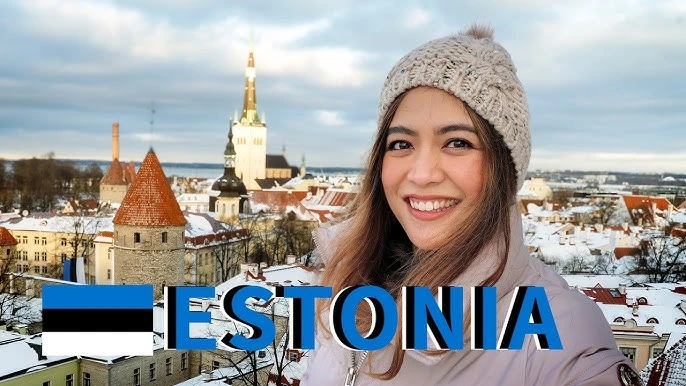
Estonia is a small Northern European country that has built an international reputation far larger than its geographic size. Known for medieval Tallinn, extensive forests, Baltic Sea islands, advanced digital government, and a strong technology sector, Estonia offers an unusual combination of old European heritage and modern innovation. At the beginning of 2026, the country had a population of 1,360,745, making it one of Europe’s less densely populated nations.
Estonia is equally interesting to travelers, entrepreneurs, technology professionals, and people interested in European culture. Visitors can move from Tallinn’s centuries-old streets to quiet forests and bog trails within a short time, while businesses benefit from a highly digital public administration and access to the European Union’s single market. Estonia’s official country portal describes it as a digital-first European society where public services, entrepreneurship, and technology have become closely integrated into everyday life.
Where Is Estonia?
Estonia sits in Northern Europe on the eastern coast of the Baltic Sea.
It is the northernmost of the three Baltic countries, with Latvia to the south and Russia to the east. Across the Gulf of Finland lies Finland, giving Estonia both Baltic and Nordic cultural connections.
Tallinn is the country’s capital and largest city.
Estonia at a Glance
Estonia covers approximately 45,339 square kilometers, while its 2026 population stands at about 1.36 million. More than half of the country’s territory is forested, contributing to the spacious and nature-oriented character visitors often notice outside its cities.
Estonia is a member of the:
- European Union
- NATO
- Schengen Area
- Eurozone
- OECD
It joined both the European Union and NATO in 2004, entered the Schengen Area in 2007, and adopted the euro in 2011.
Tallinn: Estonia’s Historic and Modern Capital
Tallinn is usually the first place international visitors encounter.
The capital combines medieval architecture with modern neighborhoods, creative districts, technology companies, restaurants, museums, and Baltic coastline.
Visit Estonia describes Tallinn as a city of roughly 450,000 residents, where medieval heritage exists alongside contemporary urban development.
Tallinn Old Town
Tallinn’s Old Town is the city’s most recognizable historic district.
Cobblestone streets, towers, churches, merchant houses, defensive walls, and narrow passages preserve the atmosphere of the city’s medieval trading past.
The area reflects Tallinn’s historical role in Baltic and Hanseatic commerce while remaining an active part of modern city life.
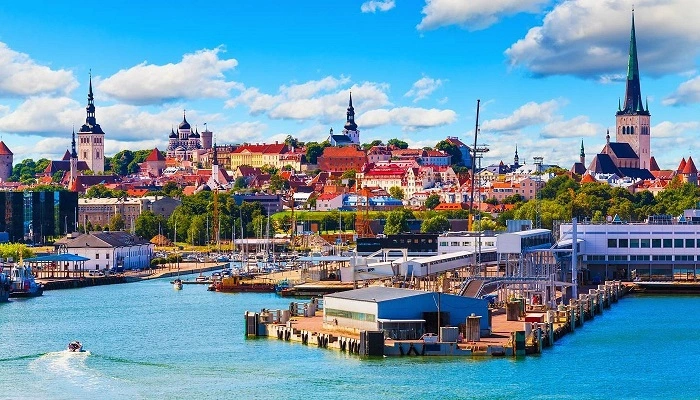
Visitors can explore viewpoints, cafés, museums, churches, squares, and historic streets without traveling far between attractions.
A Capital Connected to the Sea
Tallinn is also increasingly connected with its coastline.
Former industrial and restricted coastal areas have been redeveloped or opened to residents and visitors. Walking paths, beaches, waterfront districts, and natural areas now form an important part of the city’s character.
That contrast makes Tallinn unusual: a traveler can explore medieval architecture in the morning and reach beaches, forests, or coastal walking routes later the same day.
Estonia Is One of the World’s Leading Digital Societies
Estonia’s international reputation is closely connected to digital government.
The country spent decades building an administrative system in which citizens can complete most interactions with the state electronically.
Estonia’s official national portal says public services are available digitally, supported by secure digital identification and electronic systems.
Digital Identity
A secure digital identity allows residents to access public and private services electronically.
Instead of relying heavily on physical paperwork, digital identification can be used for activities connected with government administration and numerous private-sector services.
Digital signatures have also been part of Estonia’s system since the early 2000s. Estonia’s official country overview identifies the introduction of legally binding digital signatures in 2002 as an important milestone in building the country’s digital society.
Public Services Available Online
Estonia has moved public administration far beyond simply putting government information on websites.
Digital infrastructure allows many processes themselves to be completed electronically.
The country’s official statistics and national branding information state that 100% of public services are available online, reflecting how deeply digital systems have become embedded in government operations.
This digital model is one reason Estonia frequently attracts international interest from governments, technology companies, researchers, and entrepreneurs.
Estonia’s E-Residency Program
One of Estonia’s most internationally recognized initiatives is e-Residency.
The program allows eligible people outside Estonia to obtain a government-issued digital identity designed to provide access to Estonia’s digital business environment.
It should not be confused with physical residency, citizenship, or the right to live in Estonia.
How Large Is E-Residency?
By July 2026, Estonia’s official e-Residency statistics showed more than 142,000 e-residents worldwide.
E-residents had established more than 43,000 Estonian companies, demonstrating how the program has extended Estonia’s business infrastructure beyond its physical population.
Why Entrepreneurs Use It
The program is particularly relevant to international entrepreneurs who want to operate an EU-based company through digital systems.
E-residency can facilitate access to Estonia’s electronic business administration, but forming an Estonian company does not automatically eliminate tax obligations or regulatory responsibilities in other countries.
The appropriate structure depends on where a business is managed, where its owners live, and where economic activity takes place.
Estonia’s Technology and Startup Culture
Digital government is only one side of Estonia’s technology story.
The country has also developed a strong startup ecosystem and has produced technology businesses recognized internationally.
Estonia’s official country branding describes the country as having one of Europe’s highest concentrations of startups and unicorn companies relative to population.
Why Estonia Attracts Technology Businesses
Several factors help explain this environment:
A highly digital administration reduces some of the friction involved in dealing with government.
EU membership provides access to the wider European market.
A relatively small domestic population encourages successful technology companies to think internationally from an early stage.
Digital skills have also been promoted through education for decades.
From Skype to a Broader Tech Ecosystem
Skype is one of the most famous technology stories connected with Estonia, but the country’s startup identity now extends far beyond a single company.
Fintech, cybersecurity, business software, mobility, artificial intelligence, and other technology-related sectors have become part of Estonia’s entrepreneurial environment.
The country’s international strategy increasingly presents Estonia as a place where digital government and private-sector innovation reinforce one another.
Estonia’s Economy in 2026
Estonia has a relatively small but highly open economy.
World Bank data places Estonia’s 2025 GDP at approximately $47.03 billion, with GDP per capita of about $34,418. The economy recorded approximately 0.6% annual GDP growth in 2025.
More recent Statistics Estonia figures showed real GDP expanding by 2.4% year over year in the first quarter of 2026, indicating improved momentum entering the year.
Important Areas of the Economy
Estonia’s economy includes significant activity in areas such as:
- information technology
- professional services
- manufacturing
- logistics
- finance
- energy
- tourism
- forestry
- construction
- retail
- digital services
Its membership in the European Union gives businesses access to the EU single market while use of the euro removes currency conversion within the Eurozone.
Employment and Wages
Statistics Estonia reported an unemployment rate of 7.1% in the first quarter of 2026.
Average monthly gross wages and salaries reached €2,135 during the same quarter, up 6.2% according to official statistics.
These national averages can vary substantially by occupation, city, experience, and industry.
Estonia’s Population
Estonia remains a relatively small country by population.
Statistics Estonia recorded 1,360,745 residents as of January 1, 2026, a decline of 9,250 people from a year earlier.
Population Decline in 2025
The country’s population declined for the second consecutive year.
Official statistics show that Estonia recorded 9,240 births and 15,688 deaths during 2025. Immigration totaled 15,212 while 18,014 people emigrated, meaning both natural population change and net migration contributed to the decline.
Population trends are therefore an important long-term economic and social issue for the country.
Estonia’s Natural Landscape
Technology may dominate Estonia’s international image, but nature occupies a huge part of the country itself.
Around half of Estonia is covered by forest, while wetlands, lakes, islands, coastlines, and protected areas create varied landscapes despite the country’s relatively small size.
Bogs and Wetlands
Estonian bogs are among the country’s most distinctive landscapes.
Wooden boardwalks allow visitors to cross wetlands that contain dark pools, mosses, small pine trees, and wide open horizons.
These landscapes are especially atmospheric at sunrise, during autumn, or when low mist settles across the water.
Bog walking has become one of the experiences most closely associated with outdoor travel in Estonia.
National Parks
Estonia has six national parks, providing opportunities for hiking, cycling, birdwatching, canoeing, and wildlife observation.
Lahemaa National Park is one of the country’s best-known protected areas.
Located around an hour from Tallinn, it combines forests, wetlands, rivers, coastal landscapes, fishing villages, historic manor houses, and cultural heritage.
Other national parks offer different environments ranging from wetlands to forests and island landscapes.
Estonia Has More Than 2,000 Islands
One of Estonia’s most surprising geographic features is the number of islands scattered around its coastline and inland waters.
Visit Estonia currently counts 2,317 islands. Most are small or uninhabited, but several support distinctive local communities and traditions.
Saaremaa
Saaremaa is Estonia’s largest island and one of its best-known destinations.
Its attractions include forests, villages, windmills, coastal scenery, traditional spas, and the medieval Kuressaare Castle.
Visitors can also explore the Kaali meteorite crater and the landscapes around Sõrve Peninsula.
Hiiumaa
Hiiumaa has a quieter character.
The island is known for lighthouses, forests, beaches, small settlements, and coastal scenery.
It appeals particularly to travelers looking for cycling, nature, and slower travel rather than crowded attractions.
Kihnu
Kihnu offers something different again.
Traditional island culture remains especially visible there, and local customs form part of UNESCO-recognized intangible cultural heritage. Music, dancing, handicrafts, traditional dress, and maritime traditions remain important to the island’s identity.
Estonia’s Culture and Identity
Estonian culture has developed through centuries of Baltic, Nordic, German, Russian, and local influences while preserving its own language and traditions.
Modern national identity is strongly connected with independence, language, music, nature, and education.
Estonia as a “Singing Nation”
Music has played an unusually important role in Estonian national identity.
The Estonian Song Celebration dates back to 1869 and continues to bring together large numbers of singers and spectators. This tradition is one reason Estonia is sometimes described as a singing nation.
Collective singing also became closely associated with Estonia’s late-20th-century independence movement.
Traditional and Modern Estonia
Visitors should not expect Estonian culture to exist only in museums or folk festivals.
Historic traditions coexist with contemporary design, technology, restaurants, music, art, and creative industries.
Tallinn and Tartu in particular offer a more modern urban side of Estonian culture, while smaller towns and islands preserve different regional traditions.
Estonia’s Modern History
Estonia restored its independence in 1991 following decades of Soviet occupation.
The years after independence involved rapid political and economic transformation.
The country established democratic institutions, built a market economy, strengthened relationships with Western Europe, and invested heavily in digital infrastructure.
Joining the EU and NATO
March 29, 2004 marked Estonia’s entry into NATO.
Later that year, Estonia also became a member of the European Union.
These memberships remain central to Estonia’s foreign, economic, and security policy.
Its location on NATO’s eastern border also means national security and regional defense hold particular importance in Estonian politics.
Best Places to Visit in Estonia
Tallinn may receive the most international attention, but traveling beyond the capital reveals a very different side of the country.
Tallinn
Choose Tallinn for medieval architecture, museums, restaurants, creative neighborhoods, nightlife, and coastal walks.
Tartu
Tartu is Estonia’s major university city.
Its academic environment gives the city a youthful atmosphere, while museums, cafés, cultural institutions, and creative communities make it an important alternative to Tallinn.
Pärnu
Pärnu is associated with beaches, spas, and summer holidays.
It becomes particularly lively during warmer months and remains one of Estonia’s traditional resort destinations.
Saaremaa
Saaremaa works well for travelers who want coastal scenery, historic architecture, island culture, cycling, and slower travel.
Lahemaa National Park
Lahemaa is one of the easiest major nature destinations to combine with a Tallinn trip.
Forests, bogs, coastline, historic estates, and villages make it suitable for both short excursions and longer outdoor visits.
When Is the Best Time to Visit Estonia?
Estonia experiences four distinct seasons, and the best travel period depends on the type of trip.
Summer
Summer is ideal for:
- island trips
- hiking
- beaches
- cycling
- festivals
- long evenings
- exploring national parks
The country’s northern location gives summer evenings unusually long daylight hours.
Autumn
Autumn brings cooler weather and changing forest colors.
It can be particularly attractive for photographers, hikers, and travelers who prefer quieter destinations.
Winter
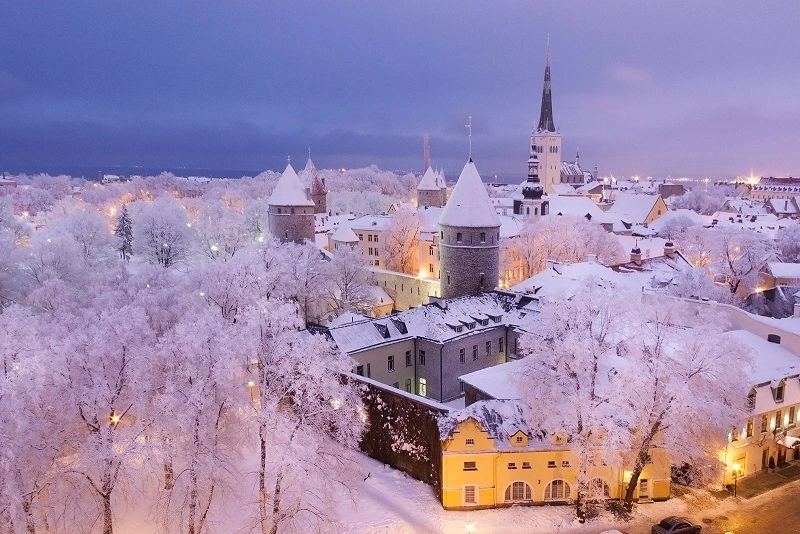
Winter transforms Tallinn and Estonia’s natural landscapes.
Snow is possible, daylight hours are shorter, and temperatures can become cold, but Christmas markets, saunas, winter sports, and frozen landscapes create a completely different experience.
Tallinn’s 2026 Christmas market is scheduled to operate from November 20, 2026 to January 6, 2027.
Spring
Spring is quieter and gradually becomes greener as temperatures rise.
It can suit travelers who want fewer visitors while still being able to explore cities and natural areas.
Why Estonia Stands Out in Europe
Estonia’s appeal comes largely from combinations that initially appear contradictory.
It is highly digital but deeply connected with forests and wilderness.
Its capital preserves medieval streets while supporting a modern startup ecosystem.
It has only around 1.36 million residents but operates digital services and entrepreneurship programs with international reach.
Small Size Creates Accessibility
Distances within Estonia are manageable.
Travelers can experience urban culture, national parks, beaches, wetlands, islands, and rural communities without crossing a very large country.
Visit Estonia notes that roughly one-fifth of the country’s territory is protected, helping nature remain accessible despite Estonia’s modern infrastructure.
Technology Is Part of Everyday Life
Estonia’s digital reputation is not based solely on a collection of technology companies.
Digital identity, electronic government services, e-residency, online administration, and technology-focused education are integrated into the country’s institutional structure.
That makes Estonia an interesting case study in how a relatively small state can use technology to redesign public administration.
Is Estonia Worth Visiting?
For travelers interested in destinations that combine history, culture, wilderness, and modern technology, Estonia offers considerable variety without requiring a long journey between attractions.
Tallinn alone can provide several days of architecture, food, museums, and cultural experiences.
Adding national parks or islands creates an entirely different trip.
Estonia Is Best For Travelers Who Enjoy
Estonia can be particularly appealing to people interested in:
- historic European cities
- uncrowded nature
- hiking and bog trails
- Baltic culture
- islands and coastal landscapes
- medieval architecture
- digital innovation
- local food
- photography
- slow travel
Visitors searching primarily for large resorts or crowded nightlife destinations may find Estonia quieter than some European alternatives, but that relative calm is part of its appeal.
Final Thoughts
Estonia has developed a distinctive identity by combining historic culture, natural landscapes, strong democratic institutions, and unusually advanced digital infrastructure. Its population stood at about 1.36 million in 2026, yet the country supports more than 142,000 e-residents around the world and has built a technology ecosystem with influence far beyond its size.
