


Trends evolve, technology advances and lifestyles shift — yet many homes remain visually “stuck” in the era when they were last renovated. A dated home isn’t necessarily old; it’s a space that reflects past design preferences more strongly than present-day tastes or functionality standards.
Understanding what makes a home look dated can help homeowners refresh their spaces strategically — without chasing every short-lived trend.
Outdated Color Palettes
Color is one of the fastest ways a home signals its era.
- Heavy burgundy and forest green schemes (popular in the 1990s)
- Beige-on-beige interiors of the early 2000s
- Overly cool gray “everything” trend from the 2010s
- Mustard, avocado, and harvest gold tones reminiscent of the 1970s
When an entire home reflects one dominant trend color, it can immediately feel tied to a specific decade.
Modern approach:
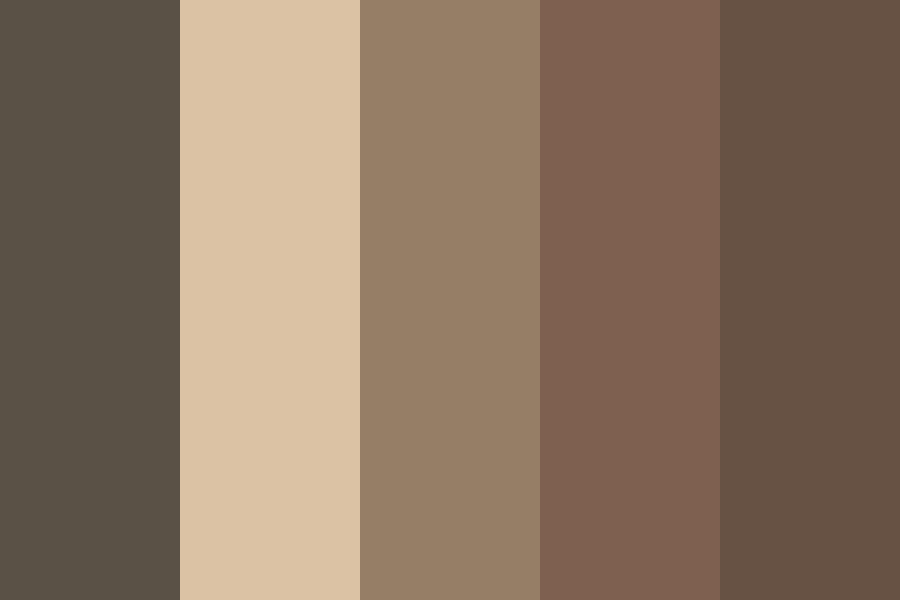
Today’s interiors lean toward balanced neutrals (warm whites, soft taupes, muted earth tones) layered with texture and subtle contrast rather than overpowering accent colors.
Matching Furniture Sets
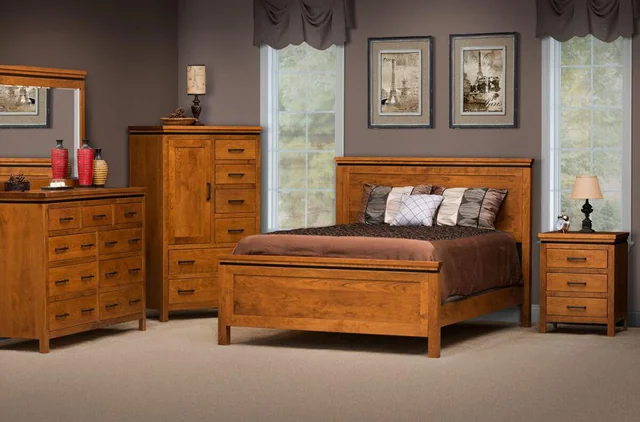
Buying a full matching bedroom or living room set was once considered sophisticated and cohesive. Today, it often feels overly coordinated and lacking personality.
- Identical wood finishes across all pieces
- Matching sofas, loveseats, and chairs
- Uniform hardware and shapes
Why does it date a home:
Modern design favors curated, collected interiors that mix materials, eras and textures.
Overly Themed Decor
Strong decorative themes can make a home feel frozen in time:
- Tuscan kitchens with faux finishes and grape motifs
- Nautical overload with anchors and rope accents
- Farmhouse decor taken to extremes (overuse of signs and distressed finishes)
While themes aren’t inherently bad, overcommitment can make a space feel staged rather than lived-in.
Heavy Window Treatments
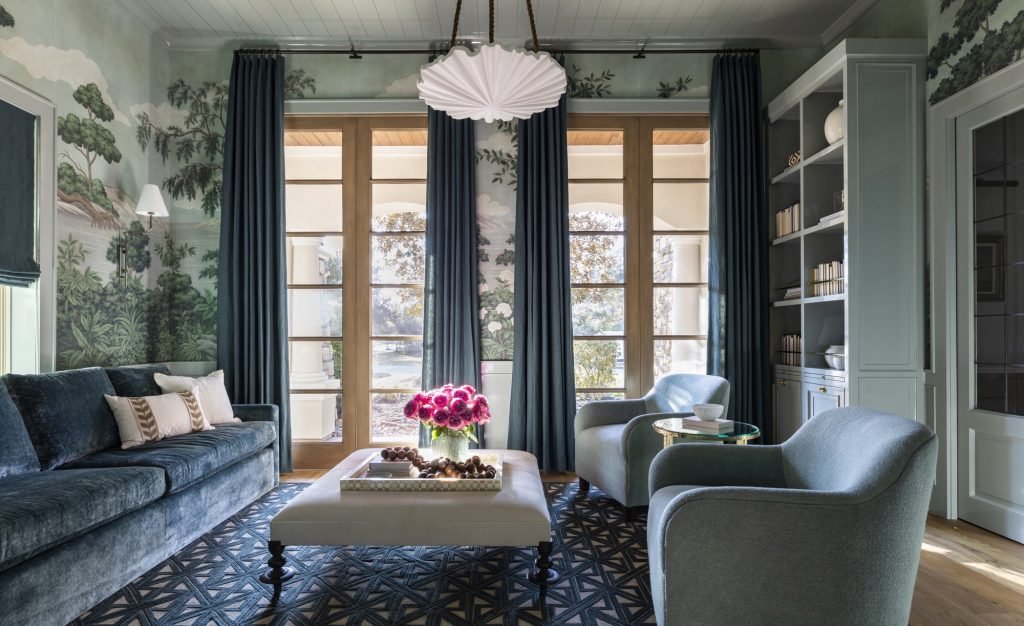
Thick valances, swags, layered drapery and ornate curtain rods were once staples of formal living spaces. Today they often block natural light and feel visually heavy.
Current preference:
- Light-filtering linen panels
- Minimal hardware
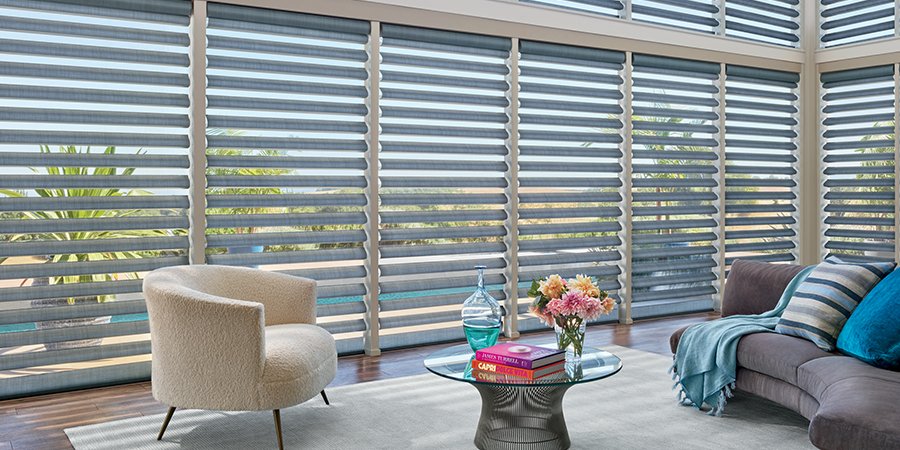
- Clean-lined shades or blinds
Natural light has become a defining feature of modern interiors.
Outdated Lighting Fixtures
Lighting is one of the most overlooked contributors to a dated look.
- Builder-grade dome lights (“boob lights”)
- Overly ornate chandeliers in casual spaces
- Brushed nickel fixtures everywhere
- Yellow-toned bulbs
Why it matters:
Lighting technology and design have evolved significantly. Contemporary spaces often feature layered lighting: recessed lights, sculptural pendants, warm LEDs, and dimmers.
Popcorn Ceilings and Textured Walls
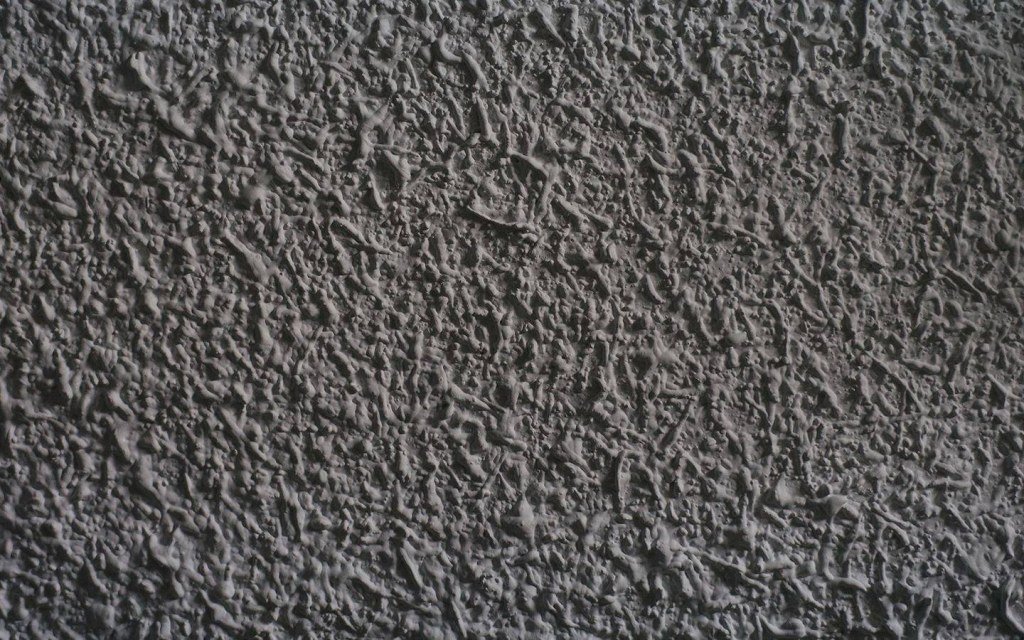
Textured ceilings were once used to hide imperfections. Today, they are widely seen as outdated and visually cluttered. Similarly, heavy faux finishes and sponge-painted walls can make a home feel stuck in past decades.
Smooth finishes and subtle wall treatments are currently preferred.
Excessive Clutter and Knick-knacks
Display cabinets packed with collectibles or overly decorated surfaces can make a space feel visually busy and dated.
Modern interiors emphasize:
- Negative space
- Intentional styling
- Functional minimalism
This doesn’t mean sterile it means edited.
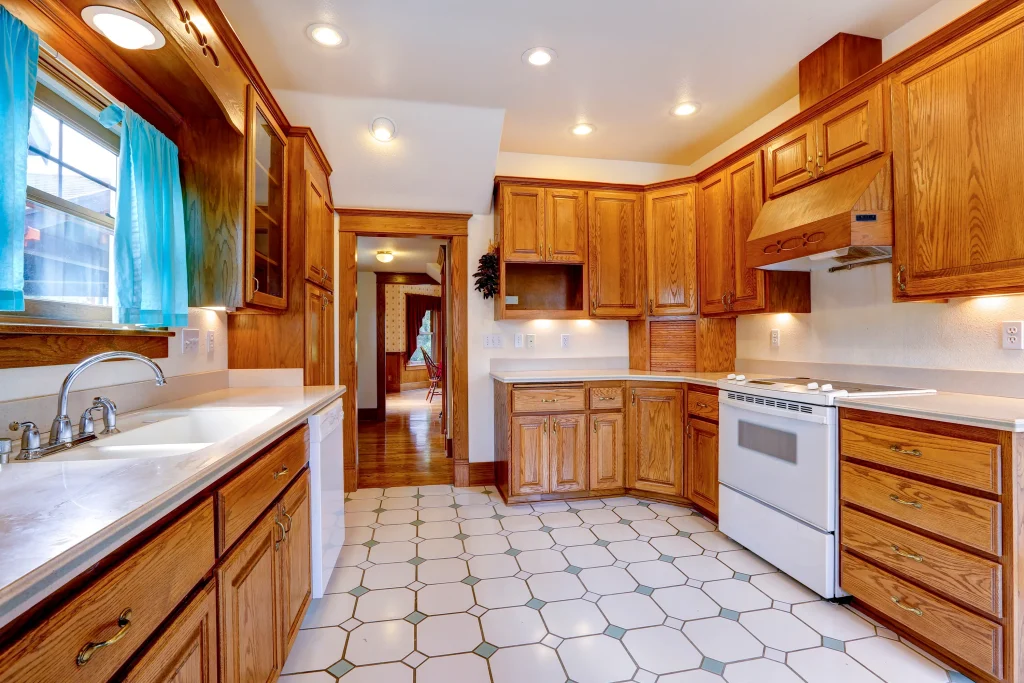
Outdated Kitchen Features
The kitchen often reveals a home’s age most clearly:
- Oak cabinets with raised arches
- Tiled countertops
- Busy granite patterns
- Fluorescent box lighting
- Laminate backsplashes
Current trends emphasize:
- Cleaner cabinet profiles
- Subtle stone or quartz surfaces
- Under-cabinet lighting
- Mixed metal accents
Wall-to-Wall Carpet Everywhere
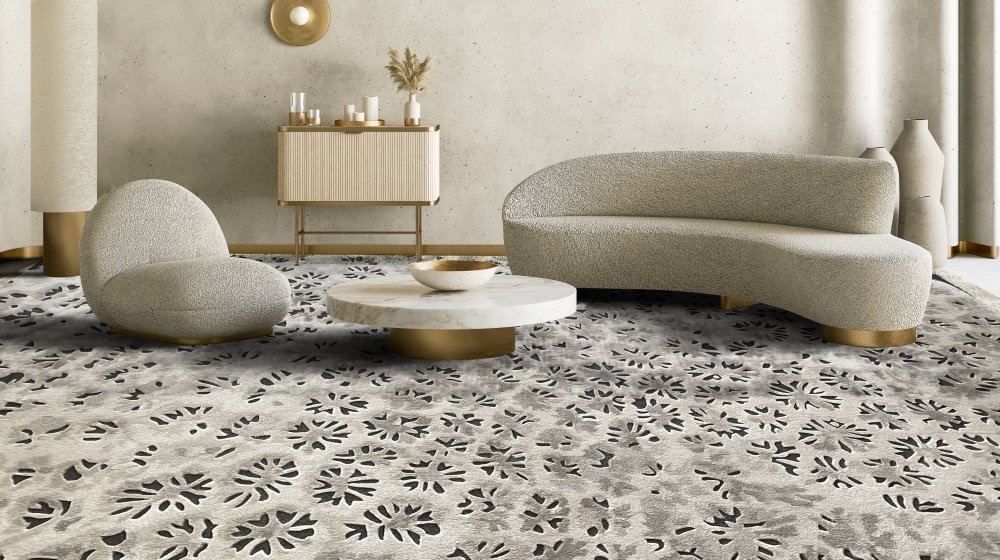
Carpet in bedrooms remains common, but wall-to-wall carpet in living rooms, dining areas, and even bathrooms can make a home feel dated.
Hardwood, engineered wood, luxury vinyl plank, and large-format tile have largely replaced carpet in high-traffic spaces.
Technology Gaps
Homes can feel dated not only aesthetically but functionally:
- Lack of smart lighting or thermostats
- Few charging outlets
- No USB or modern wiring integration
- Old intercom systems
Modern homes integrate technology seamlessly rather than visibly.
Oversized or Bulky Furniture
Large entertainment centers, overstuffed recliners and massive media cabinets designed for tube TVs are common signs of past layouts.
Flat screens and streaming services have transformed how living rooms are arranged — often reducing the need for bulky storage.
Lack of Cohesive Updates
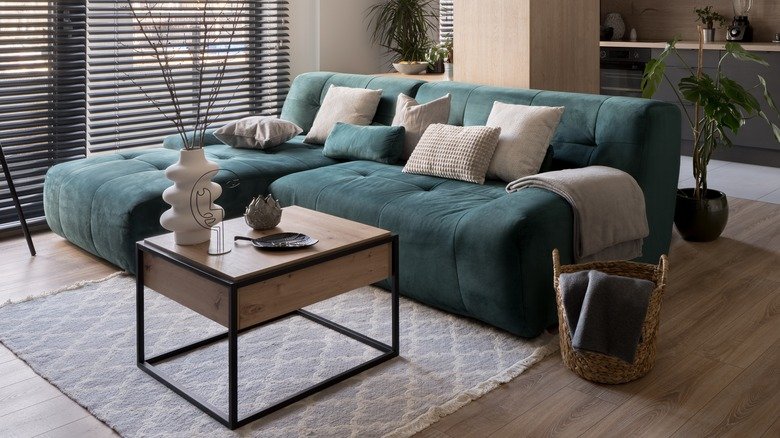
Sometimes what dates a home isn’t one feature — it’s inconsistency. For example:
- A modern sofa paired with 1990s tile flooring
- Updated appliances with original cabinetry
- New paint, but outdated fixtures
Partial updates without an overall plan can unintentionally highlight what hasn’t been renovated.
How to Modernize Without Over-Renovating
You don’t need a full remodel to refresh your home. Small, strategic changes often make the biggest impact:
- Update lighting fixtures
- Replace cabinet hardware
- Repaint in modern neutrals
- Remove heavy drapery
- Declutter and simplify styling
- Introduce texture (wood, linen, stone, metal)
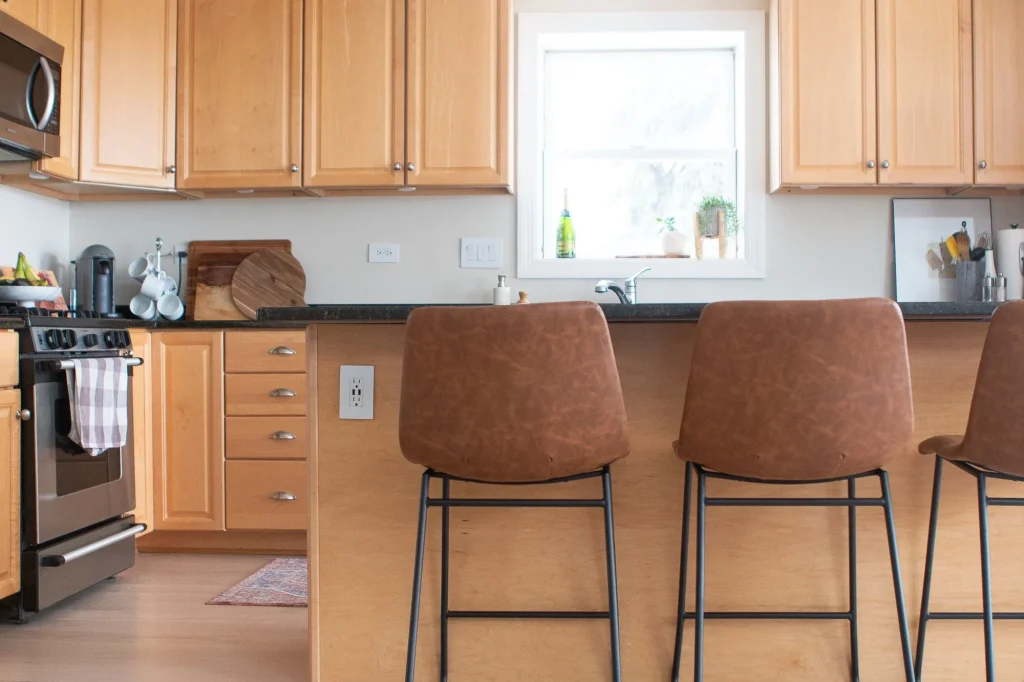
Focus on timeless improvements rather than chasing every new trend.
Read More: YouTube interior designer
FAQs
Does an older home automatically look dated?
No. Many older homes feel timeless because they preserve classic architectural features while updating finishes and technology.
Are trends bad?
Not necessarily. Trends add personality, but relying exclusively on a single trend can shorten the design lifespan of a space.
What is the biggest factor that dates a home?
Outdated lighting and color schemes often have the strongest visual impact.
Can small changes really make a difference?
Yes. Swapping hardware, repainting, and updating light fixtures can significantly refresh a space.
Is gray still considered dated?
Not entirely but all-gray interiors without warmth are becoming less popular. Warmer, layered neutrals are trending.
Conclusion
A home looks dated when it strongly reflects the design language of a specific past decade without adaptation. The key to avoiding that trap isn’t constant renovation, it’s balance.
By focusing on timeless materials, flexible layouts, and subtle updates, you can create a home that feels current without being trend-dependent. Ultimately, the goal isn’t to chase fashion; it’s to design a space that evolves naturally with how you live.
