


Lunar New Year is one of the most important cultural celebrations for Chinese communities across the United Kingdom. Also known as Chinese New Year or the Spring Festival, it marks the beginning of a new year according to the lunar calendar and is celebrated with vibrant public events, family gatherings, and rich traditions.
In 2026, Lunar New Year once again brings colour, culture, and community spirit to cities across the UK.
When Is Lunar New Year 2026?
In the United Kingdom, Lunar New Year 2026 falls on Tuesday, 17 February 2026.
Quick Facts
- Date: Tuesday, 17 February 2026
- Country: United Kingdom
- Type: Observance
- Public Holiday: No
Recent and Upcoming Dates
- 2024: Saturday, 10 February
- 2025: Wednesday, 29 January
- 2026: Tuesday, 17 February
Although the celebration officially begins on one day, festivities often last up to two weeks, culminating in the Lantern Festival.
Is Lunar New Year a Public Holiday in the UK?
No, Lunar New Year is not a public holiday in the United Kingdom. Most businesses, schools, and government offices operate as usual.
However, in areas with large Chinese communities—such as Chinatowns and city centres—some shops and restaurants may adjust their opening hours to accommodate celebrations.
Why Does the Date Change Every Year?
Unlike holidays that follow the Gregorian calendar, Lunar New Year is based on the lunisolar calendar.
- It occurs on the new moon between 21 January and 21 February
- The date changes each year depending on lunar cycles
This is why Lunar New Year may fall anytime from late January to mid-February.
How Is Lunar New Year Celebrated in the UK?
Chinese communities across the UK host large-scale public events as well as smaller family and community celebrations.
Public Celebrations
Major cities such as London, Manchester, Birmingham, Leeds, and Sheffield host some of the biggest Lunar New Year festivities. These often include:
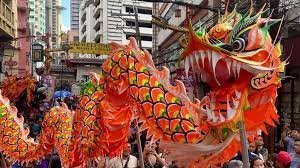
- Dragon and lion dances in city centres and shopping districts
- Parades featuring traditional costumes and music
- Live performances of Chinese dance, opera, and modern cultural acts
- Lantern displays and fireworks
- Food stalls and tasting events offering traditional and fusion dishes
- Cultural workshops, short courses, and talks on Chinese history and language
- Art and craft exhibitions by Chinese and British-Chinese artists
These events are usually free and open to the public, making Lunar New Year a welcoming cultural experience for people of all backgrounds.
Family and Community Celebrations
Beyond public events, many families, community centres, and student associations hold private celebrations.
These may include:
- Family reunions and shared meals
- Home parties or banquets
- Cultural performances and games
- Religious or ancestral traditions
Food plays a central role, with dishes symbolising luck, prosperity, happiness, and longevity commonly served.
Public Life and Local Impact
While Lunar New Year is not a statutory holiday, celebrations may cause:
- Temporary road closures
- Increased foot traffic in city centres
- Local transport changes, especially near parade routes
These disruptions are usually well-managed and limited to celebration areas.
History and Background of Lunar New Year
Lunar New Year has been celebrated for thousands of years. Traditionally known as the Spring Festival, it marks the transition from winter to spring and the beginning of a new agricultural cycle.
Historically, the festival signalled:
- The end of winter
- The start of planting and farming activities
- A time to honour ancestors and welcome good fortune
Although rooted in ancient Chinese traditions, Lunar New Year has evolved into a global cultural celebration.
Symbols of Lunar New Year
Lunar New Year is rich in symbolism, much of it centred around luck, protection, and renewal.
Common symbols include:
- Red lanterns with gold characters
- Red envelopes (hongbao) containing money
- Fireworks and firecrackers
- Dragon and lion dances
- Special festive foods
Many people wear red clothing, believing the colour represents fire and helps ward off bad luck and evil spirits.
Each year is also associated with an animal sign from the Chinese zodiac, along with specific elements that influence the year’s meaning.
Read More: Everything you should know about Christmas 2025
FAQs
Is Lunar New Year the same as Chinese New Year?
Yes. Chinese New Year is the most commonly known form of Lunar New Year, though other Asian cultures celebrate it with their own traditions.
How long do Lunar New Year celebrations last?
Traditionally up to 15 days, ending with the Lantern Festival.
Can non-Chinese people attend celebrations in the UK?
Absolutely. Most events are public, inclusive, and designed to share Chinese culture with everyone.
Do businesses close for Lunar New Year in the UK?
Most remain open, though some Chinese businesses may operate on reduced hours.
Why is red such an important colour?
Red symbolises luck, happiness, and protection against evil spirits.
Conclusion
Lunar New Year 2026, celebrated on Tuesday, 17 February, will once again bring colour, tradition, and community spirit to cities across the United Kingdom. While not a public holiday, it remains one of the most vibrant cultural observances in the country, offering everyone a chance to experience centuries-old traditions through music, dance, food, and shared celebration.
