

Sustainable Home Decor 2026: Eco-Friendly Ideas for Every Room
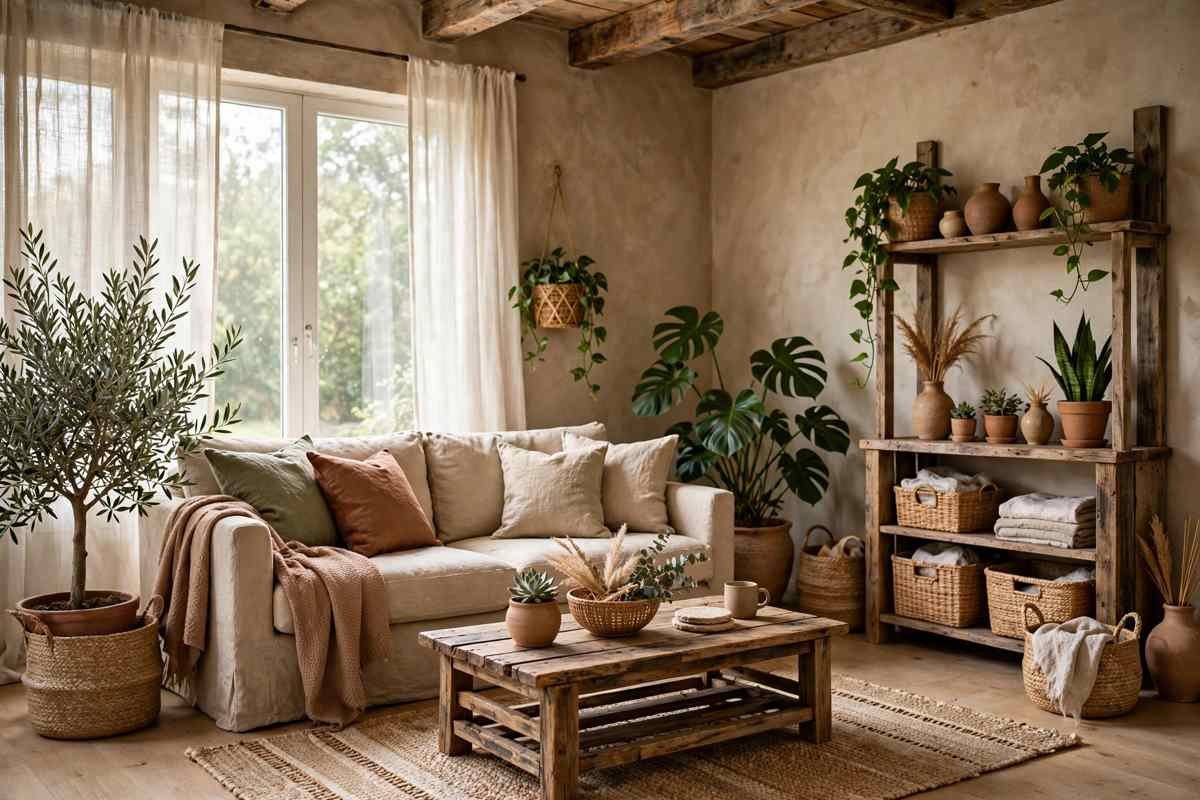
Sustainable home decor is no longer a niche choice for a few committed environmentalists. In 2026 it is the mainstream direction of interior design, as homeowners choose materials that are kinder to the planet, healthier to live with, and built to last. The look is warm and collected rather than austere: reclaimed wood, natural linen, woven textures, and vintage pieces with a story.
The shift is practical as well as ethical. Natural materials regulate temperature, soften acoustics, and age beautifully. Secondhand furniture costs less than new and often lasts longer. And a home decorated slowly, with pieces chosen for quality rather than trends, simply feels better to live in. This guide covers the materials, ideas, and room-by-room swaps that make sustainable home decor work in a real home, on a real budget. Seasonal decorating follows the same principles; our cozy fall home decor guide shows how natural, reusable pieces can carry a whole season’s look.
Read More: Home Office Setup Ideas 2026: Design a Productive Work-from-Home Space — sustainable materials like solid wood desks and natural-fiber seating work just as well in a workspace.
What Is Sustainable Home Decor?
Sustainable home decor means choosing furniture, textiles, and accessories with a lower environmental impact across their whole life, from raw material to disposal. That covers several things at once: renewable or recycled materials, non-toxic finishes and dyes, products made to last for decades, and items that can be repaired, reused, or recycled at the end of their life.
It is not about buying a whole new “eco” collection. The most sustainable item is almost always the one that already exists. Keeping a solid wood table for 30 years beats replacing a cheap flat-pack table five times. That is why designers in 2026 talk about longevity as the core of sustainability: fewer, better things.
Sustainable home decor also improves indoor air quality. Conventional furniture and decor often release volatile organic compounds, or VOCs, from synthetic finishes, adhesives, and flame retardants. Natural materials such as solid wood, wool, linen, and clay release far fewer chemicals, which matters in homes that are sealed tight for energy efficiency.
Sustainable Home Decor Materials to Know in 2026
Materials are where sustainable home decor starts. The 2026 trends all point in the same direction: natural, renewable, and reclaimed. Here are the materials designers are specifying most this year.
Reclaimed and Responsibly Sourced Wood
Reclaimed timber from old barns, factories, and demolished buildings carries character no new wood can match, and it keeps good material out of landfill. When buying new wood, look for FSC certification, which means the timber comes from responsibly managed forests. Solid wood furniture can be sanded and refinished for decades.
Bamboo, Cork, and Rattan
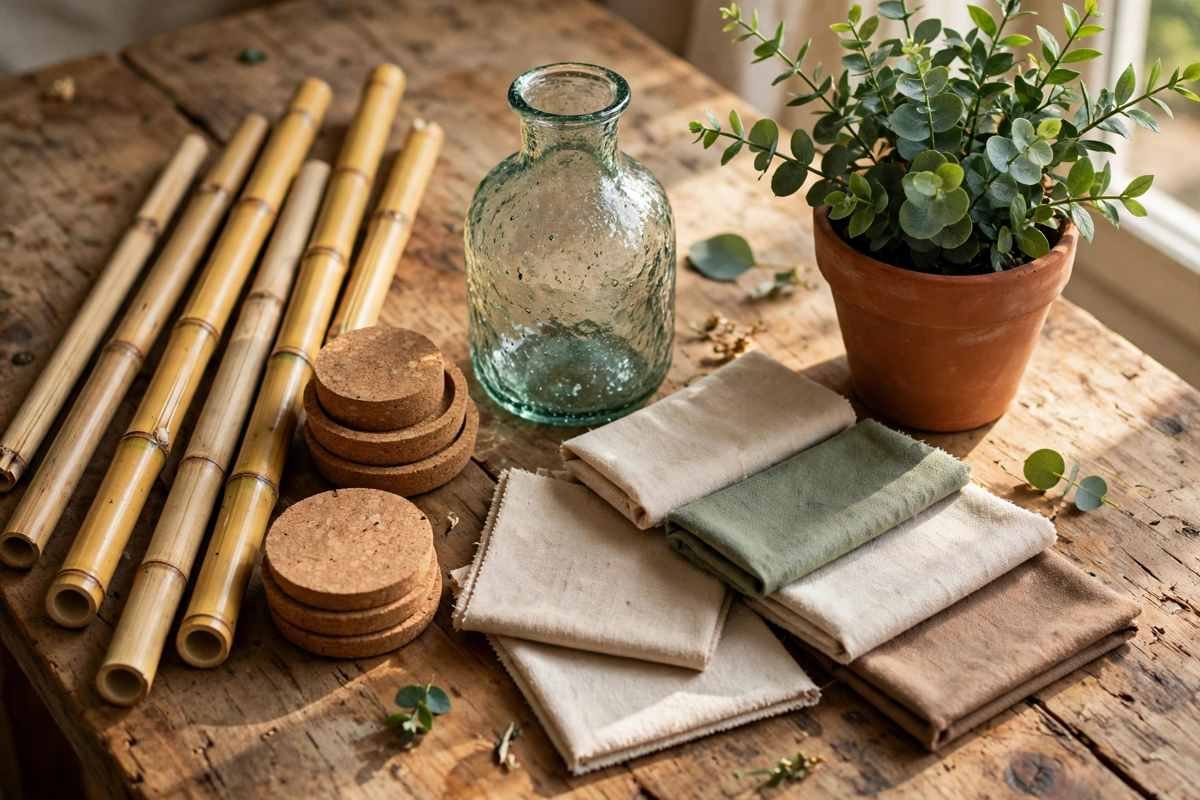
Bamboo grows to full height in three to five years without replanting, making it one of the fastest-renewing materials available. Cork is harvested from living trees without cutting them down, and rattan and cane bring lightweight, woven texture to chairs, lighting, and storage. All three work beautifully in flooring, furniture, and accessories.
Natural Fibers: Linen, Wool, Hemp, and Organic Cotton
Wool, linen, hemp, and organic cotton are favored in 2026 not only for their environmental credentials but for how they perform. They regulate temperature, soften sound, and age gracefully. Boucle upholstery, washed linen curtains, and woven wall hangings are the defining textures of the year, replacing synthetic fabrics that shed microplastics and trap heat.
Recycled Glass, Metal, and Stone
Recycled glass vases, terrazzo made from stone offcuts, and lighting in brushed nickel or aged brass all bring durability and a low footprint. Natural stone such as marble and travertine lasts for generations, and buying stone offcuts or seconds keeps usable material in circulation.
Sustainable Home Decor Ideas for the Living Room
The living room is where sustainable home decor makes the biggest visual impact, because it is where the largest pieces live. Start with the sofa. A well-made sofa in natural fabric, or a quality secondhand one reupholstered in organic linen, can last 15 to 20 years. Cheap sofas often end up in landfill within five.
Layer texture instead of buying new furniture. A jute or wool rug, linen cushion covers, and a chunky wool throw transform a room for a fraction of the cost of new seating. Woven baskets provide storage and warmth at the same time. A vintage wooden coffee table, sanded and oiled rather than replaced, becomes the room’s anchor piece.
Lighting deserves attention too. Swap to LED bulbs in warm tones, choose lamps made from bamboo, cane, or terracotta, and use dimmers to reduce energy use. Layered lighting, ambient, task, and accent, creates depth without needing more fixtures. Plants finish the room: a large floor plant in a terracotta pot adds life and helps clean indoor air.
Sustainable Home Decor for Bedrooms and Bathrooms
In the bedroom, sustainable home decor starts with what touches your skin for eight hours a night. Organic cotton or linen bedding, a natural latex or wool mattress topper, and a solid wood bed frame are the highest-impact choices. Avoid synthetic memory foam that off-gasses, and look for OEKO-TEX certified textiles, which are tested for harmful substances.
Keep bedroom furniture minimal and durable. A solid wood dresser bought secondhand will outlast three flat-pack replacements, and it looks better with age. Blackout curtains in heavy natural linen block light and insulate against heat and cold, cutting energy bills as well as improving sleep.
In the bathroom, choose stone or recycled-glass accessories, bamboo bath mats, and organic cotton towels. Replace plastic shower accessories with glass, metal, or wood. A small potted plant that likes humidity, such as a fern or pothos, thrives in a bathroom and adds a natural touch for almost no cost.
Biophilic Design: Bringing Nature Indoors
Biophilic design, the practice of connecting interiors with nature, is becoming more immersive in 2026. It goes beyond a single houseplant. Think indoor gardens, vertical plant walls, large decorative planters, natural light, water features, and earthy color palettes that echo the outdoors.
The wellness case is strong. Studies link exposure to natural elements indoors with lower stress, better concentration, and improved mood. Plants also help regulate humidity and filter some airborne pollutants, though their air-cleaning effect is modest on its own. The bigger benefit is psychological: a room that feels alive is a room people want to spend time in.
Start simple. Group plants of different heights in one corner, add a wooden planter or woven basket, and let natural light do the work. Herbs on a kitchen windowsill are both decor and dinner ingredients. A living wall is a statement project, but even three well-chosen plants change a room’s feeling.
| Material | Why It Is Sustainable | Best Uses |
|---|---|---|
| Reclaimed wood | Reuses existing timber; no new trees cut | Furniture, flooring, shelving |
| Bamboo | Regrows in 3–5 years without replanting | Flooring, furniture, blinds |
| Cork | Harvested without harming the tree | Flooring, wall tiles, coasters |
| Organic cotton | Grown without synthetic pesticides | Bedding, curtains, cushions |
| Wool | Renewable, biodegradable, durable | Rugs, throws, upholstery |
| Recycled glass | Diverts waste; infinitely recyclable | Vases, lighting, tiles |
| Natural stone | Extremely long-lasting; recyclable | Countertops, tiles, accessories |
Sustainable Home Decor on a Budget
Sustainable home decor has a reputation for being expensive, but the cheapest version is often the greenest. Buying secondhand first is the single best budget rule. Thrift stores, flea markets, online marketplaces, and estate sales are full of solid wood furniture, brass candlesticks, wool rugs, and ceramic vases at a fraction of retail prices.
Upcycling turns overlooked items into focal pieces. A coat of low-VOC paint transforms a dated dresser. Sanding and oiling a scratched wooden table restores it for another decade. Old linen curtains become cushion covers. Jute rope, one of the fastest-growing decor materials in 2026, can be wrapped around plain planters or made into rugs and wall hangings for very little money.
Rearrange before you buy. Moving furniture to a new position, swapping pieces between rooms, and changing cushion covers costs nothing and often produces the fresh feeling people shop for. When you do buy new, spend on the pieces you touch every day, a good mattress, a solid dining table, a comfortable chair, and save on accessories.
How to Shop Secondhand and Vintage Like a Pro
Secondhand shopping rewards patience and a trained eye. These steps help you find pieces that last instead of projects that never get finished.
Step 1: Buy Solid, Not Veneer
Check the weight and the joints. Solid wood is heavy, and dovetail joints signal quality. Thin veneer over particleboard is hard to repair and rarely survives a move.
Step 2: Inspect Before You Commit
Open every drawer, check for wobble, smell for damp or smoke, and look under cushions. Small scratches are fine and fixable. Structural damage, woodworm, or a musty smell that will not leave are reasons to walk away.
Step 3: Measure Twice
Carry a tape measure and know your door widths, stair turns, and room dimensions. A beautiful vintage sideboard that does not fit through the door is not a bargain.
Step 4: Negotiate and Refinish
Most secondhand sellers expect some negotiation. Factor in the cost of paint, oil, or new upholstery when you judge the price. A 50-dollar table plus 20 dollars of materials beats a 200-dollar new table that lasts a quarter as long.
Sustainable Home Decor Mistakes to Avoid
The most common mistake is greenwashing, buying products labelled “eco” or “natural” without checking what that means. Labels are unregulated in many markets, so look for real certifications such as FSC for wood, OEKO-TEX for textiles, and Cradle to Cradle for products designed for reuse. A single green claim on the packaging is not evidence.
Another mistake is replacing everything at once. Throwing out a roomful of usable furniture to buy sustainable replacements creates more waste than it saves. Sustainable home decor is a gradual process: replace items as they wear out, choose better each time, and keep what still works.
Fast furniture is the third trap. Ultra-cheap furniture made from particleboard and plastic laminate is designed to be disposable, and it usually is. The true cost includes the landfill it ends up in and the replacement you will buy in two years. Spending more once is almost always cheaper, and greener, than buying cheap repeatedly.
Finally, do not forget the small stuff. Synthetic candles release soot and chemicals; beeswax or soy candles are cleaner. Plastic storage boxes can be replaced with woven baskets or wooden crates. Even switching to natural cleaning products protects the finishes on your sustainable furniture.
Sustainable Home Decor Room by Room: Quick Swaps
If a full redesign feels overwhelming, start with one swap per room. Small changes compound quickly, and each one teaches you what you like before you commit to bigger pieces.
| Room | Easy Swap | Bigger Investment |
|---|---|---|
| Living room | Synthetic cushions to linen or wool covers | Secondhand solid wood coffee table |
| Bedroom | Polyester bedding to organic cotton | Natural latex mattress topper |
| Kitchen | Plastic containers to glass jars | Reclaimed wood open shelving |
| Bathroom | Plastic accessories to bamboo or glass | Stone or recycled-glass tiles |
| Home office | Plastic desk organizers to wood or cork | Solid wood desk, ergonomic chair |
| Entryway | Synthetic doormat to coir or jute | Reclaimed wood bench with storage |
The principles behind sustainable design go back decades. For the background on how designers think about sustainability, see the sustainable design entry on Wikipedia.
Frequently Asked Questions
What is sustainable home decor?
Sustainable home decor means choosing furniture, textiles, and accessories with a lower environmental impact, made from renewable, recycled, or reclaimed materials, built to last, and free of harmful chemicals.
Is sustainable home decor expensive?
It can be, but it does not have to be. Buying secondhand, upcycling existing pieces, and choosing fewer, better-quality items often costs less than buying cheap new furniture repeatedly.
What are the best sustainable materials for home decor?
Reclaimed wood, bamboo, cork, rattan, natural stone, organic cotton, linen, wool, hemp, and recycled glass are among the most sustainable materials. Each is renewable, recyclable, or reclaimed, and all age well in a home.
How can I make my home more sustainable without renovating?
Swap textiles to natural fibers, replace plastic accessories with wood, glass, or metal, add plants, buy secondhand, and rearrange before buying anything new. These changes need no renovation at all.
What is biophilic design?
Biophilic design connects interiors with nature through plants, natural light, natural materials, and earthy colors. It is linked to lower stress and better mood, and it is one of the defining decor movements of 2026.
How do I know if a product is really sustainable?
Look for recognized certifications such as FSC for wood and OEKO-TEX for textiles, check the material composition rather than marketing claims, and prefer solid, repairable products from makers who disclose their supply chain.
Conclusion
Sustainable home decor in 2026 is not about sacrifice or a particular look. It is about choosing materials that last, furniture with a story, and a home that is healthier to live in. Reclaimed wood, natural fibers, and secondhand finds are not compromises; they are the pieces people keep for decades while trends come and go.
Start with one room and one swap. Buy secondhand first, invest in the pieces you use every day, and let your home evolve slowly. The most sustainable home is not the one decorated in a single shopping trip. It is the one that grows, piece by piece, into a place that truly feels like yours.
