

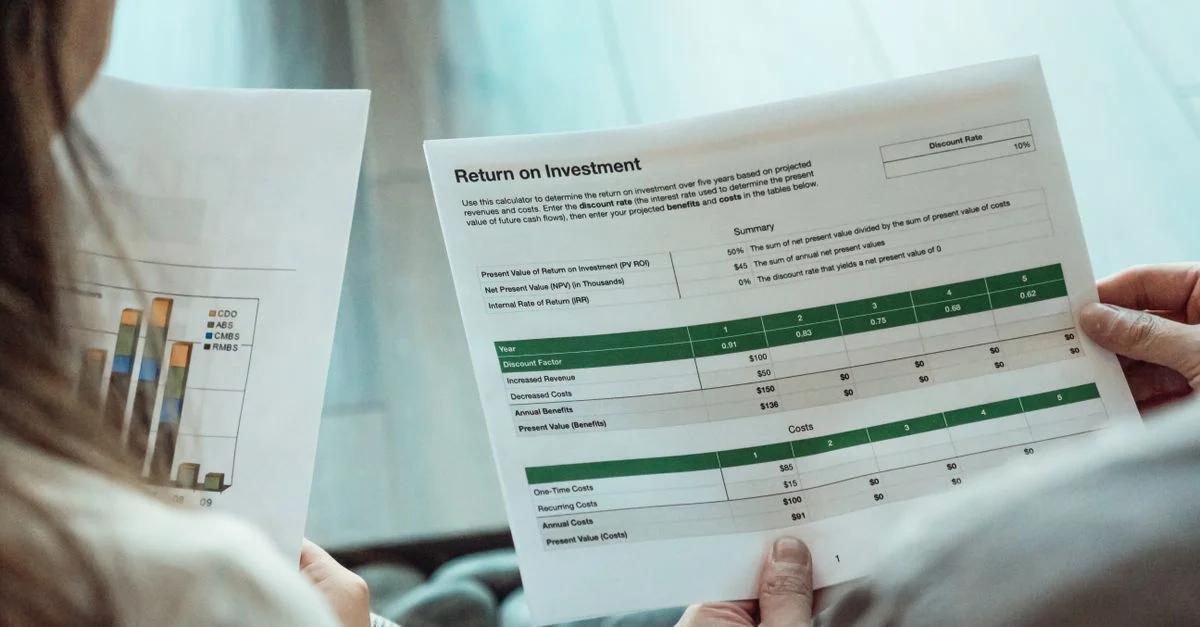
In today’s highly competitive construction and development industry, project success is no longer measured simply by how quickly work is completed. Increasingly, success depends on how effectively costs are estimated, planned, monitored, and controlled from the very beginning.
Even a small error in a project estimate can result in significant budget overruns, delays, and reduced profit margins. For contractors, builders, developers, and project managers, having a reliable costing strategy is therefore essential for maintaining financial control and delivering projects successfully.
Modern construction businesses are increasingly adopting structured cost-planning processes supported by professional estimating and design coordination services. These approaches provide a clearer understanding of material, labor, equipment, and overhead expenses before construction begins.
When project costing is properly managed, teams can maintain better control over every stage of development and minimize the risk of unexpected financial challenges.
Effective costing solutions can help businesses:
- Develop realistic and data-driven project budgets
- Reduce the risk of unexpected cost increases
- Improve decision-making during the early planning stage
- Identify potential financial risks before construction begins
- Allocate resources more efficiently
- Protect overall project profitability
Table of Contents
- Building Strong Financial Foundations in Project Planning
- Increasing Accuracy Through Early Design Synchronization
- Improving Project Visibility and Technical Accuracy
- Strengthening Cost Control Through Data-Driven Planning
- Optimizing Complex Systems in Large Projects
- Final Thoughts
- FAQs
Building Strong Financial Foundations in Project Planning
Modern construction projects depend heavily on accurate information and detailed planning. A strong financial foundation allows project teams to understand expected costs before committing significant resources.
By analyzing previous project data, current market conditions, material prices, labor requirements, and expected project performance, businesses can make more informed financial decisions.
Professional estimating services can play an important role in this process by helping contractors develop detailed cost projections for materials, labor, equipment, and other project requirements.
The following example illustrates how an initial construction budget may be distributed across major cost components:
| Cost Component | Description | Estimated Cost | Percentage Allocation | Priority Level |
|---|---|---|---|---|
| Structural Frame | Main building structure | $82,000 | 44.8% | Very High |
| Foundation Work | Concrete and steel reinforcement | $48,000 | 26.2% | Very High |
| Labor Cost | Skilled and unskilled workforce | $33,000 | 18.0% | High |
| Site Preparation | Land clearing and leveling | $14,000 | 7.7% | High |
| Permits & Approvals | Legal documentation and approvals | $6,000 | 3.3% | Medium |
| Total Project Budget | Initial phase capital requirement | $183,000 | 100.0% | — |
Table 1.0: Initial Project Cost Breakdown
This breakdown demonstrates the importance of identifying major expenses before construction starts. Structural work and foundation activities account for the largest portions of the initial budget, while labor, site preparation, and approvals represent additional financial commitments.
A detailed cost breakdown makes it easier for project managers to identify potential cost gaps early. It also provides a baseline against which actual spending can be measured throughout the project.
Early financial planning can help contractors adjust their strategies before cost problems become difficult or expensive to resolve.
Increasing Accuracy Through Early Design Synchronization
One of the most frequently overlooked factors in project cost control is coordination during the initial design stage.
Architects, engineers, contractors, estimators, and planners should work together as early as possible. When different project teams collaborate from the beginning, potential design conflicts, material requirements, and cost constraints can be identified before they develop into expensive problems.
Poor coordination can result in design changes, material reordering, construction delays, and rework. Each of these issues can negatively affect the original project budget.
Early design synchronization helps create a stronger connection between the project’s technical requirements and financial expectations.
Digital visualization, project documentation, and collaboration tools can further improve communication between different teams.
The major benefits include:
- Stronger collaboration between design and construction teams
- Fewer errors caused by design inconsistencies
- Reduced rework and material waste
- Better understanding of project requirements
- Improved clarity regarding project scope
- More reliable cost forecasting
When design and costing teams work from consistent information, contractors have a better opportunity to establish realistic budgets before construction begins.
Improving Project Visibility and Technical Accuracy
Clear technical documentation is another essential component of effective project costing. Construction teams need accurate drawings and specifications to determine exactly what materials, labor, and resources will be required.
Detailed CAD drafting services can translate architectural and engineering concepts into precise technical drawings. These drawings provide project teams with clearer information about dimensions, layouts, components, and construction requirements.
When technical drawings are accurate and properly aligned with engineering specifications, estimators can make more reliable quantity and cost calculations.
This can significantly reduce the risk of misunderstandings between designers, contractors, suppliers, and construction teams.
Accurate technical documentation can:
- Increase the reliability of project drawings
- Reduce misinterpretation during construction
- Support more accurate quantity takeoffs
- Improve material planning
- Assist labor forecasting
- Reduce rework caused by drawing inconsistencies
Technical accuracy and financial accuracy are closely connected. When the design information is incomplete or incorrect, cost estimates can also become unreliable.
For this reason, high-quality documentation should be considered an important part of the overall project costing process.
Strengthening Cost Control Through Data-Driven Planning
Construction projects generate significant amounts of information throughout their lifecycle. Historical project costs, labor performance, material consumption, supplier prices, change orders, and project schedules can all provide valuable insights for future planning.
Businesses that effectively analyze this information can improve their ability to forecast costs and identify potential financial risks.
Data-driven planning allows project managers to compare current project performance with historical benchmarks. If expenses begin moving significantly above expectations, teams can investigate the cause and take corrective action.
Market trends are also important. Material prices, labor rates, transportation costs, and supplier conditions can change over time. Incorporating current market information into estimates can help businesses create more realistic budgets.
Data-driven costing can provide several advantages:
- More accurate project cost forecasting
- Improved budget transparency
- Better resource allocation
- Earlier identification of financial risks
- Stronger decision-making
- More effective contingency planning
Rather than relying solely on assumptions, project teams can use actual information to support their financial decisions.
Optimizing Complex Systems in Large Projects
Large construction and development projects often involve multiple interconnected technical systems. Mechanical, electrical, and plumbing systems must work together while also fitting within architectural and structural requirements.
Without proper coordination, conflicts between these systems can lead to delays, redesigns, additional labor, and unexpected costs.
Professional MEP estimating companies can help project teams evaluate the financial requirements associated with mechanical, electrical, and plumbing components.
Accurate MEP estimating considers the materials, equipment, labor, and installation requirements associated with these systems. This allows project managers to incorporate realistic MEP costs into the overall project budget.
Effective coordination can:
- Improve synchronization between different engineering systems
- Reduce clashes between mechanical, electrical, plumbing, and structural components
- Improve material quantity forecasting
- Support more accurate labor estimates
- Reduce costly rework
- Improve overall project cost visibility
For large projects, even relatively small coordination problems can create significant financial consequences. Integrating technical coordination with accurate cost estimation can therefore contribute to better project control.
The Role of Costing in Long-Term Project Success
Reliable costing is not simply about creating an initial budget. It is an ongoing process that should continue throughout the project lifecycle.
Once construction begins, actual costs should be compared with original estimates. Variances should be investigated, and forecasts should be updated when project conditions change.
For example, changes in material prices, labor requirements, project scope, or construction schedules can affect the original financial plan.
Continuous monitoring gives project managers the information they need to respond to these changes.
This approach can help businesses maintain greater control over:
- Labor expenses
- Material costs
- Equipment usage
- Subcontractor payments
- Procurement expenses
- Change orders
- Project overhead
- Contingency requirements
The objective is not simply to reduce spending. Instead, the goal is to make sure that available resources are used efficiently while maintaining the required quality and project standards.
How Better Costing Supports Profitability
Project profitability depends on the relationship between revenue and total project expenditure. When costs increase without a corresponding increase in project revenue, profit margins decline.
Reliable costing helps businesses understand their expected expenses before establishing project prices or submitting bids.
This information can support more competitive and profitable proposals. Contractors can determine whether a project is financially viable and identify the minimum pricing required to achieve their desired margin.
During construction, ongoing cost monitoring can also help protect those margins.
If actual costs begin exceeding the original estimate, managers can investigate the cause and determine whether changes are needed in procurement, scheduling, resource allocation, or project scope.
This makes costing an important component of both project management and business strategy.
Encouraging Sustainable Financial Control Practices
Strong costing practices can have benefits beyond individual projects. When companies consistently collect and analyze project cost information, they build a valuable database that can improve future estimates.
Over time, businesses can identify recurring cost patterns, understand common sources of overruns, and establish more accurate benchmarks.
This creates a cycle of continuous improvement.
A company that learns from previous projects can gradually improve its estimating accuracy, resource planning, procurement strategies, and profitability.
Financial discipline can therefore contribute to stronger long-term business stability and sustainable growth.
Final Thoughts
Reliable costing solutions are no longer optional in a competitive construction industry. They are an essential part of maintaining profitability, controlling risk, and improving project performance.
Accurate estimating, early design coordination, detailed technical documentation, data-driven planning, and effective MEP cost management can give businesses greater visibility into project finances.
When these processes work together, contractors and developers can reduce uncertainty, improve resource utilization, minimize unexpected expenses, and make more confident financial decisions.
Ultimately, companies that invest in structured costing and planning systems are better positioned to deliver projects efficiently while protecting their profit margins.
A strong costing framework not only supports individual project success but also encourages sustainable financial control, improves overall business performance, and creates a foundation for long-term growth in an increasingly competitive construction market.
Read More: Greece Wildfire Risk: Attica, Boeotia and Evia on High Alert
FAQs
Why is costing essential in construction projects?
Costing helps construction companies estimate and manage expenses before and during project execution. Accurate cost planning reduces the risk of budget overruns, improves resource allocation, and helps businesses protect their expected profit margins.
How does early design synchronization improve project performance?
Early coordination between architects, engineers, estimators, and contractors can identify design conflicts and cost constraints before construction begins. This reduces the risk of rework, delays, material waste, and unexpected expenses.
What role does data play in modern project cost management?
Data helps businesses forecast expenses, monitor project progress, compare actual costs with estimates, and make informed decisions. Historical project information and current market trends can also improve the accuracy of future estimates.
How do technical drawings affect budget accuracy?
Detailed technical drawings provide clear information about project dimensions, materials, layouts, and construction requirements. Accurate drawings make quantity takeoffs and cost calculations more reliable while reducing misunderstandings and rework.
What is the advantage of MEP coordination on large projects?
Proper MEP coordination helps prevent conflicts between mechanical, electrical, plumbing, structural, and architectural systems. It can reduce rework and delays while improving material, labor, and cost forecasting.
How can costing solutions reduce project cost overruns?
Costing solutions allow teams to establish realistic budgets and continuously compare estimated costs with actual spending. Early identification of cost variances gives managers an opportunity to correct problems before they significantly affect profitability.
How can accurate estimating improve construction profitability?
Accurate estimating provides a clearer understanding of the resources and expenses required to complete a project. This enables businesses to develop appropriate pricing strategies and avoid accepting projects at financially unsustainable prices.
Why should project costs be monitored throughout construction?
Project conditions can change after construction begins. Material prices, labor requirements, project scope, and schedules may all affect expenses. Continuous monitoring allows businesses to update forecasts and respond to financial risks promptly.
What are the main components of a construction cost estimate?
A construction estimate may include materials, labor, equipment, subcontractors, site preparation, permits, transportation, overhead, and contingency costs. The exact components depend on the size and nature of the project.
Can costing improve long-term business growth?
Yes. Consistent cost tracking creates valuable historical data that businesses can use to improve future estimates, identify recurring inefficiencies, manage risks, and develop more profitable project strategies.
