

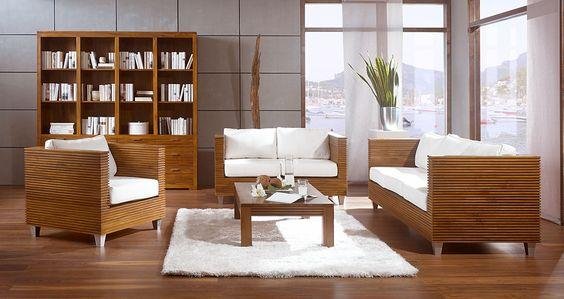
The living room is the heart of any home, a space where family gathers, guests are entertained, and moments of relaxation unfold. Yet, arranging furniture in this central area can be surprisingly tricky. The goal is to create a layout that’s both functional and visually appealing, balancing comfort, flow, and style. Here’s a guide to 10 key rules for perfect living room furniture arrangement.
Define the Focal Point
Every room needs a focal point — something that draws attention and anchors the furniture. Common focal points include:
- A fireplace
- A large window with a view
- A TV or entertainment center
- An eye-catching piece of art
Once the focal point is established, arrange furniture around it. For instance, sofas and chairs should face the focal point to encourage conversation and make the room feel cohesive.
Maintain Proper Traffic Flow
A cluttered room or awkward placement can make movement difficult. Ensure pathways are clear:
- Leave at least 2–3 feet of walking space between furniture pieces.
- Avoid blocking doorways, windows, or high-traffic areas.
- Consider how people naturally move through the room and arrange seating to accommodate that flow.
Flow is especially important in open-plan living rooms where the space connects to dining or kitchen areas.
Use the Right Scale and Proportion
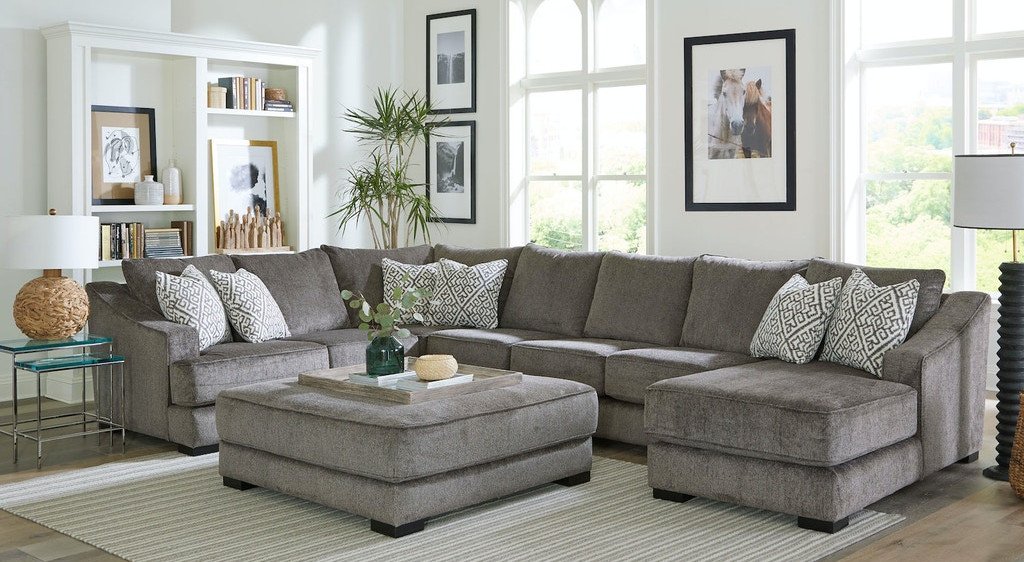
Furniture should complement the size of your room. Oversized sofas can make a small living room feel cramped, while tiny chairs can feel lost in a large space.
- Choose sofas and chairs proportionate to the room’s dimensions.
- Balance heavy furniture with lighter pieces to avoid visual imbalance.
- Rugs can help define space and keep proportions in check.
Create Conversation Areas
Encourage social interaction by arranging furniture in a way that supports conversation:
- Place chairs and sofas facing each other or at a 90-degree angle.
- Avoid putting all seating against walls.
- Coffee tables should be within easy reach of all seating.
A well-designed conversation area makes the living room feel inviting and functional.
Mix Different Furniture Types
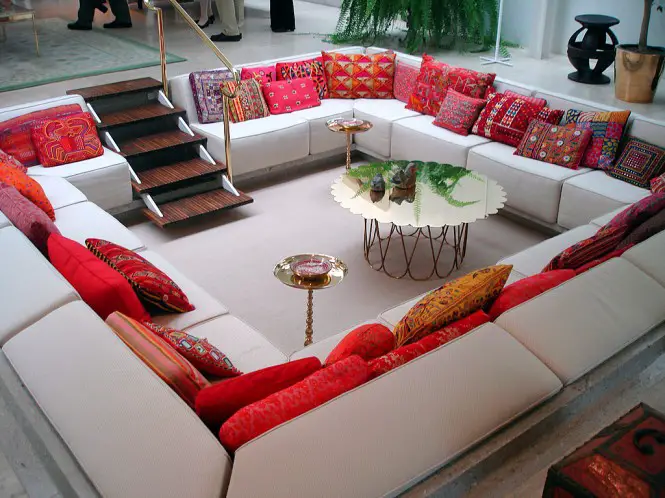
Variety adds visual interest. Mix:
- Sofas with armchairs or accent chairs
- Tables of varying heights
- Open shelving with closed storage
But ensure harmony by sticking to a consistent color palette, style, or material. Mixing pieces thoughtfully prevents the room from looking chaotic.
Consider Sight Lines
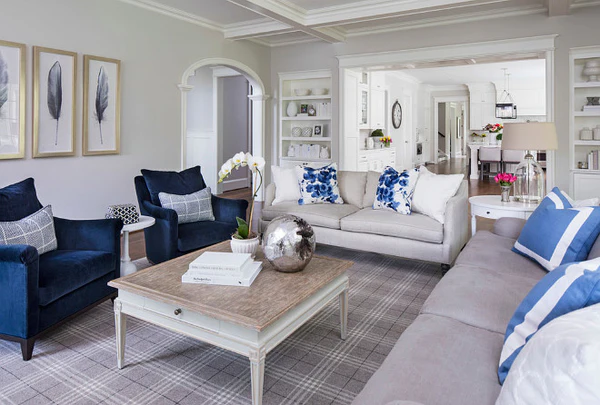
Sight lines are the visual paths across a room. Avoid blocking views with large furniture.
- Keep low tables or benches under windows.
- Avoid tall back sofas facing open spaces.
- Place tall furniture along walls or corners.
Clear sight lines make a room feel larger, brighter, and more welcoming.
Anchor with Rugs
Area rugs define zones and create a sense of cohesion:
- Ensure at least the front legs of sofas and chairs are on the rug.
- The rug should be large enough to tie the seating area together without overcrowding.
- Rugs also help with sound absorption and add warmth.
Balance Symmetry and Asymmetry
Symmetry brings calm and order, while asymmetry adds energy:
- Symmetrical layouts: matching sofas or chairs around a central table.
- Asymmetrical layouts: mix furniture sizes, shapes, or placements for a dynamic feel.
Use a combination to create a visually appealing balance between comfort and interest.
Incorporate Functional Zones
Especially in open-concept spaces, consider dividing the room into functional areas:
- Reading nook with a chair and lamp
- TV zone for entertainment
- Play area for kids (if needed)
Zoning helps the room serve multiple purposes without feeling cluttered.
Pay Attention to Lighting
Lighting enhances furniture placement and ambiance:
- Layer light with overhead, task, and accent lighting.
- Place floor lamps near reading chairs or sofas.
- Avoid harsh overhead lighting directly above seating it can feel cold.
Well-lit spaces appear larger, more inviting, and highlight your carefully arranged furniture.
Read More: Living Room Décor Ideas Designing a Space That Reflects Comfort and Modern Living
Final Tips
- Move furniture around if a layout doesn’t feel right. Experimenting is key.
- Keep a balance between open space and furniture density.
- Personalize with décor cushions, throws, and artwork to make the arrangement uniquely yours.
By following these 10 rules, you can transform your living room into a space that is stylish, functional, and welcoming. Proper arrangement isn’t just about aesthetics; it enhances comfort, usability, and the overall feel of your home.
